Barcelona Off-Season, Key Takeaways:
- A City at Its Natural Pace: From November through April, Barcelona settles into rhythms shaped by everyday life rather than tourism.
- Comfortable Climate & Light: Mild winter temperatures, less humidity, and frequent Mediterranean sunshine make off-season ideal for walking and architecture.
- Depth Over Crowds: Fewer visitors allow richer cultural encounters, thoughtful dining, and more meaningful, unhurried personal experiences.
- Seasonal Logic, Not Downtime: Barcelona’s off-season isn’t less happening, but when the city functions as it truly does.
Have Specific Questions? Jump directly to the FAQ section below for clear, practical answers.
Barcelona Off-Season: Why It’s the Best Time to Explore the City (Like a Local, Not a Tourist)
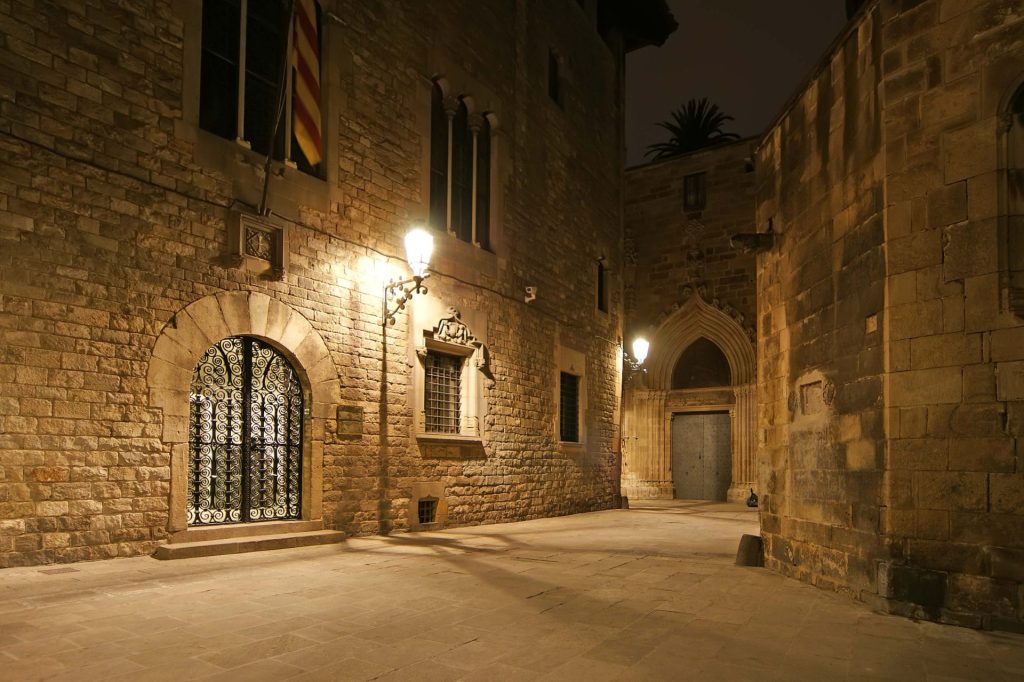
Barcelona has a double life and the off-season may as well be the best season. There is the version most visitors know—sun-drenched terraces, beach crowds, and long queues at Gaudí landmarks. And then there is the Barcelona we live every day: calmer, layered, cultural, and deeply human.
For sophisticated travelers seeking authenticity, the city’s off-season — roughly from November to March, excluding Christmas—reveals Barcelona at its most genuine. This is when the city exhales. When neighborhoods reclaim their pace. When culture, cuisine, and conversation take center stage.
At BrightSide Tours Barcelona, we design private experiences for travelers who value insight over checklists. And we can say this clearly, as locals: there is no better time to explore Barcelona than the off-season.
What Exactly Is the Barcelona Off-Season?
Understanding High and Low Season in Barcelona
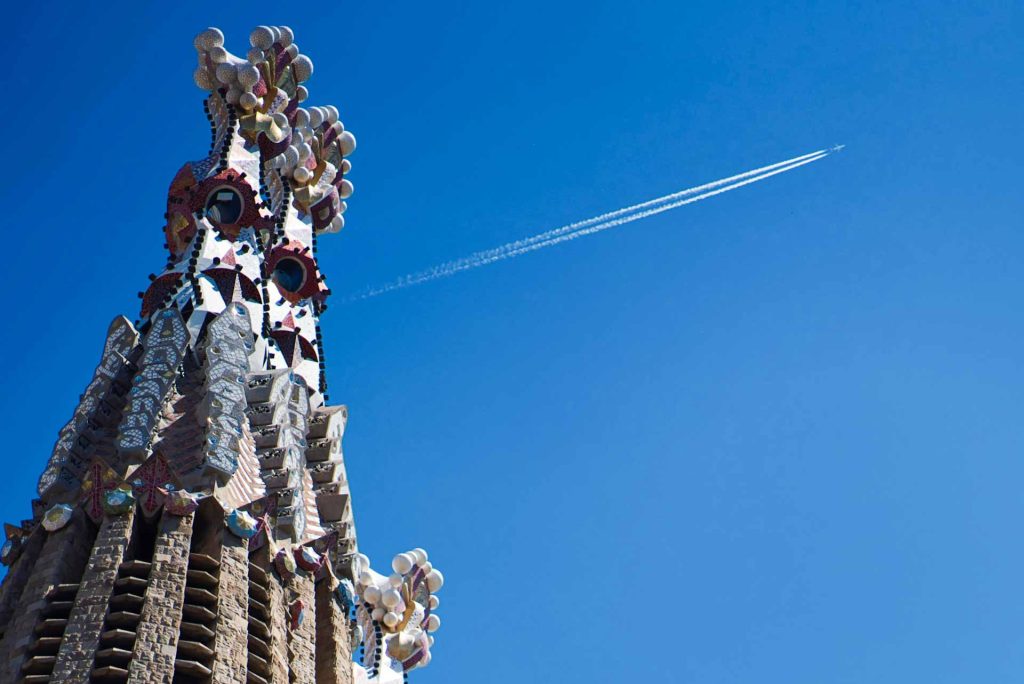
Barcelona never truly shuts down. Unlike many Mediterranean destinations built around a single peak season, the city functions year-round as a place to live, work, and create. What changes significantly is who occupies the city — and how it feels.
Visitor patterns generally follow a clear rhythm:
- High season (May–September): Historic center and major landmarks dominated by visitors
- Shoulder season (April and October): A quieter balance between visitors and local life
- Off-season (November–March): The city settles into its natural pace, with a brief festive rise around Christmas and major events such as Mobile World Congress.
For many of us at BrightSide, the off-season and shoulder months in Barcelona are actually our preferred time to enjoy the city. This is when Barcelona shifts from a city on display to a city being lived in. Streets once shaped by itineraries recover their neighborhood logic; cafés, markets, and cultural spaces are animated primarily by residents rather than schedules. What remains is not a reduced version of Barcelona, but its most authentic one — less created for show, more rooted in everyday pleasure, continuity, and real urban life.
Off-Season Travel in Barcelona: Mild, Bright, and Walkable
Winter in Barcelona is defined less by cold than by clarity and light. Daytime temperatures typically range between 10 and 16°C (50–61°F), with cool but rarely harsh evenings that seldom drop below 5°C (41°F). Humidity remains moderate — far more comfortable than in summer or early spring — and rainfall is generally light and infrequent.
What truly sets Barcelona apart for travelers from northern climates, however, is the sunshine: winter months average around 60–65% sunny or partly sunny days, transforming even cooler days into pleasant, walkable experiences. This combination of mild temperatures and consistent light makes winter one of the most comfortable and rewarding seasons to explore the city on foot.
In practice, this makes winter one of the best seasons for walking-based exploration, architecture-focused itineraries, and countryside excursions:
- Enjoyable architectural strolls through the Eixample district
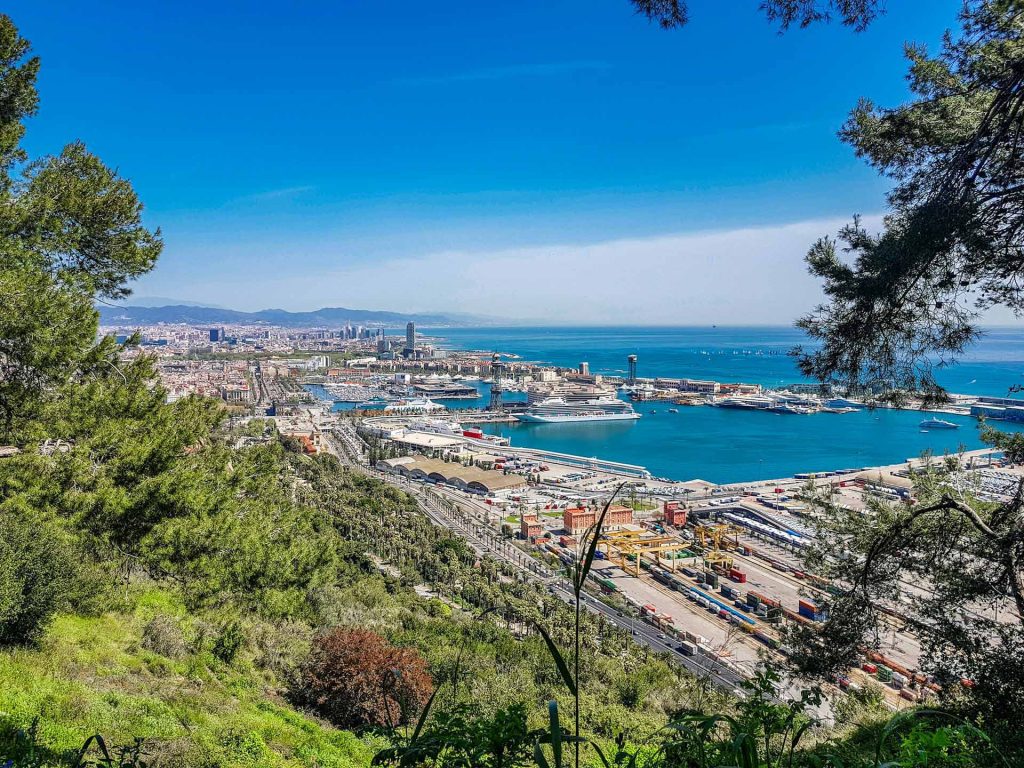
- Exploring Montjuïc Hill or Barceloneta beach for a real Mediterrenean feel without heat nor crowds,
- Scenic countryside getaway tips into the Penedès or Priorat wine regions
From our perspective, Barcelona winter travel offers the perfect balance: comfortable days, cozy evenings, and uninterrupted exploration.
This quieter season is ideal for discovering Barcelona at the right pace. Many travelers choose to combine curated walking day experiences with an evening ride through the city in our Sunset & Night Tour experience. Exploring Barcelona illuminated after dark, offers a particularly romantic and cinematic perspective when the streets are calm and the city feels intimate rather than busy.

Why Barcelona Low Season Travel Is So Rewarding

Culture Without Crowds: Access That Feels Natural
Low season Barcelona offers a quieter form of access — defined by attention, continuity, and context rather than spectacle.
Museums, heritage sites, and institutions become notably more engaging when space allows for reflection. Sightlines open up, narratives feel clearer, and expert-led visits are easier to arrange. This is exclusive access in its most meaningful sense — not because places are restricted, but because conditions finally allow for understanding.
Architecture & Urban Heritage, Experienced.
Even the city’s most celebrated landmarks take on a different dimension when experienced without constant movement around them. Having time and space in front of casa Batlló, or any of the main toursits attractions, is golden: time to observe proportions, materials, and urban context.
Beyond Gaudí’s major works, the off-season is particularly well suited to discovering:
• Modernist residences rarely explored in depth
• Roman and medieval layers embedded within the old city
• Quiet interior courtyards concealed behind Gothic façades
This slower rhythm transforms architecture from a checklist into a conversation.
Off-Season Day Trips from Barcelona: When the Countryside Is at Its Best
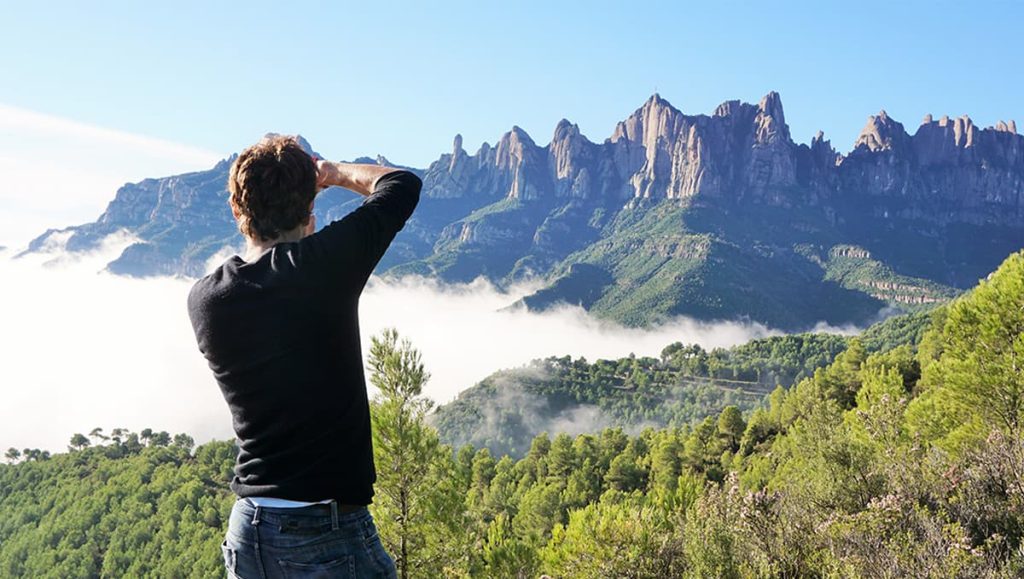
Barcelona’s surroundings are compelling year-round, but the off-season introduces qualities summer cannot: clarity of light, quiet roads, and intimacy with the landscape. Distances feel shorter, visits feel personal, and time regains its natural rhythm.
Premium Off-Season Day-Trip Ideas Beyond Barcelona
Penedès Wine Region
In winter, vineyards are dormant and cellars calm. Visits are unhurried, private tastings easier to arrange, and conversations with winemakers more genuine — especially among producers focused on long-aged Cavas and terroir-driven wines.
Priorat
Outside peak months, Priorat reveals its stark beauty and serious wine culture. Steep slate hillsides, winter light, and gastronomy rooted in place define one of Catalonia’s most intellectually rewarding regions.
Costa Brava Villages
Without summer crowds, coastal towns return to scale. Walking paths quiet down, villages feel residential again, and restaurants cook for locals rather than turnover.
THE BRIGHT INSIGHT
If you’re into wines or a curious explorer, you’ll love what lies just north of Barcelona. We, at BrightSide, especially enjoy exploring Alella DO, one of Catalonia’s smallest and closest wine regions, where vineyards spill down gentle hills toward the Mediterranean and crisp, aromatic wines reflect centuries of winemaking tradition. Alella’s whites — often made from the native Pansa Blanca (Xarel·lo) — and elegant local reds are perfect for tasting year-round, whether you’re discovering terroir at a boutique cellar or lingering over pairings with seasonal fare.
On our thoughtfully curated Alella wine tour from Barcelona, you’ll enjoy private tastings, intimate cellar visits, and conversations with passionate winemakers — an experience that makes the journey itself as memorable as the wines.

Barcelona Christmas Within the Off-Season Rhythm
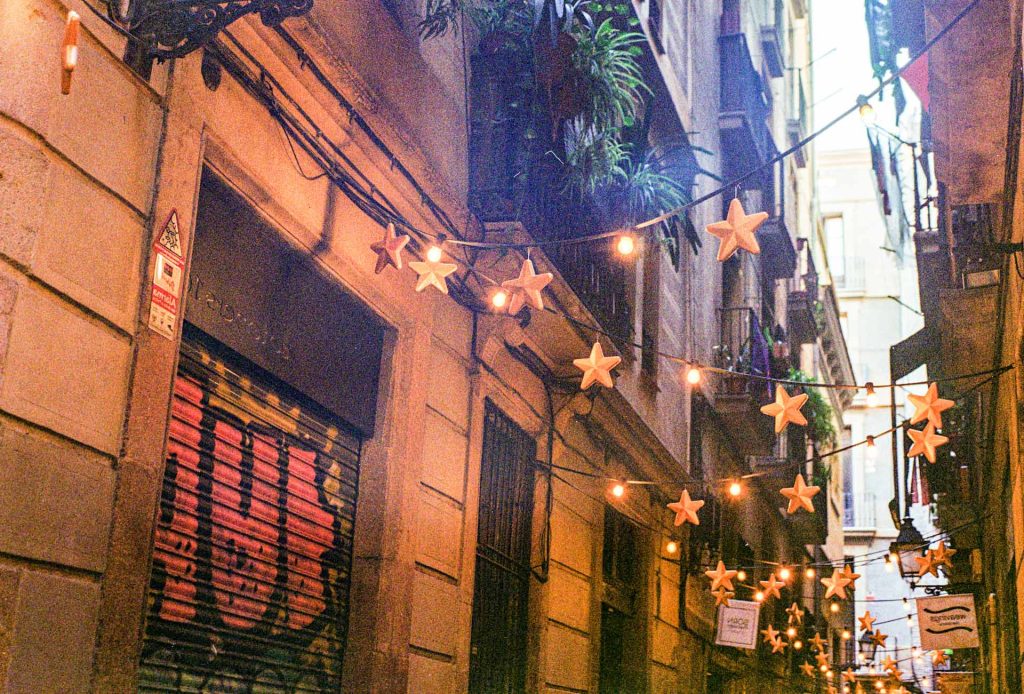
In Barcelona, Christmas doesn’t interrupt the low season—it subtly reshapes it. From late November through early January, the city enters a festive period integrated into daily life rather than staged for visitors.
- Christmas lights illuminate major avenues and residential streets until January 6
- Traditional markets such as Fira de Santa Llúcia anchor the season in craft and continuity (https://firadesantallucia.com/#:~:text=Image%20One%20more%20year%2C%20and,look%20forward%20to%20this%20year )
- The overall mood remains local, family-oriented, and unhurried
- Because gifts are traditionally exchanged on January 6 (Three Kings’ Day), the festive atmosphere lingers longer while the city continues to function as itself.
(Winter evenings during this period offer a particularly atmospheric way to experience Barcelona after dark, when streets are calm and the city feels intimate rather than busy.)
Festivals & Cultural Life (Autumn to Spring)
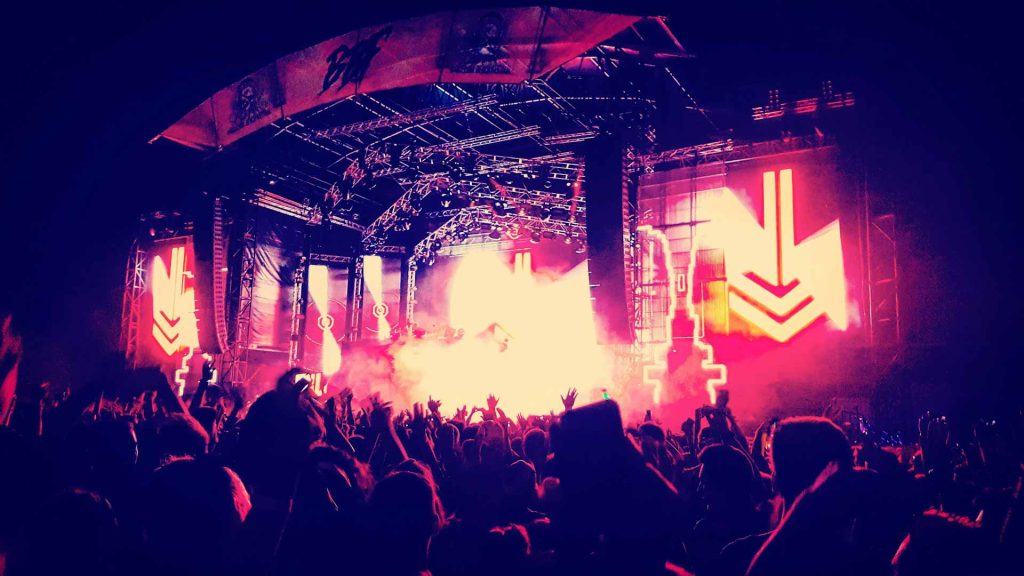
Barcelona’s cultural calendar is at its most rewarding outside the summer months. From early autumn through spring, the city offers a dense concentration of music, traditions, and seasonal rituals—experienced without crowds and lived primarily by locals.
Festivals and Musical Events
Barcelona Jazz Festival (October–December)
One of Europe’s most respected jazz festivals, taking place across venues such as the Palau de la Música Catalana, L’Auditori, and intimate clubs. The program balances international names with local talent, and the off-season timing allows for attentive, unrushed concerts.
Official Website: https://www.jazz.barcelona/es/festival
Guitar BCN (Off-Season: January–April)
A citywide festival dedicated to the guitar in all its forms—classical, flamenco, jazz, and contemporary. Performances are spread across refined venues, making it easy to integrate a concert evening into a winter itinerary.
Official Website https://www.guitarbcn.com/
Llums d’Antiga – Festival de Música Antiga (Shoulder Season: Spring)
Barcelona’s early-music festival pairs Renaissance and Baroque repertoires with historic spaces such as Santa Maria del Mar and Sant Pau del Camp. It’s a rare opportunity to experience music and architecture as a single, immersive experience.
Official Website https://www.catalunya.com/en/continguts/esdeveniments-agenda/festival-lums-dantiga-1-1-663613
Palau de la Música Catalana & L’Auditori (Year-round)
Beyond festivals, both institutions maintain outstanding classical and contemporary programming throughout the year, from symphonic concerts to chamber music and avant-garde works—ideal for winter evenings.
Official Website https://www.palaumusica.cat/en
Local Festivities Worth Experiencing
La Castanyada (Shoulder Season: Late October)
An autumn tradition centered on roasted chestnuts, panellets (catalan marzipan sweets with pine nuts and other coatings), and seasonal rituals marking the transition into winter. Modest, intimate, and deeply rooted in Catalan culture.
https://www.barcelona.cat/culturapopular/en/festivals-and-traditions/tots-sants
Santa Eulàlia (Off-Season: February)
Barcelona’s winter festival, honoring one of the city’s patron saints. Expect human towers, giants, fire runs, and folk dances—deeply local and concentrated around the historic center.
https://www.barcelona.cat/santaeulalia/en
Carnestoltes (Off-Season: February/March)
A playful, neighborhood-driven Carnival with parades, costumes, and satirical humor. Celebrations are decentralized, offering a more authentic, community-based atmosphere than large commercial carnivals.
Three Kings’ Parade – Cavalcada de Reis (Off-Season: January 5)
One of the most important nights of the year in Barcelona. The city celebrates the arrival of the Three Kings, who traditionally bring gifts on January 6th. The parade is splendorous, festive, emotional, and deeply meaningful for local families.
Sant Jordi (Shoulder Season: April 23)
Sant Jordi is Catalonia’s patron saint, and the day is a joyful blend of legend, literature, and love. It is the authentic Catalan Saint Valentine’s day. Books and roses are the gifts of the day and are exchanged throughout Catalonia. Streets overflow with new and second-hand book stalls, thousands of roses, and the entire city turns into an open-air celebration of Catalan culture, identity, and a shared affection for stories in all their forms.
https://en.wikipedia.org/wiki/Saint_George%27s_Day_in_Catalonia
These events are not staged for visitors. They are lived by the city, making the off-season one of the most culturally rewarding times to experience Barcelona with depth and context.
Practical Planning Tips for Off-Season Barcelona
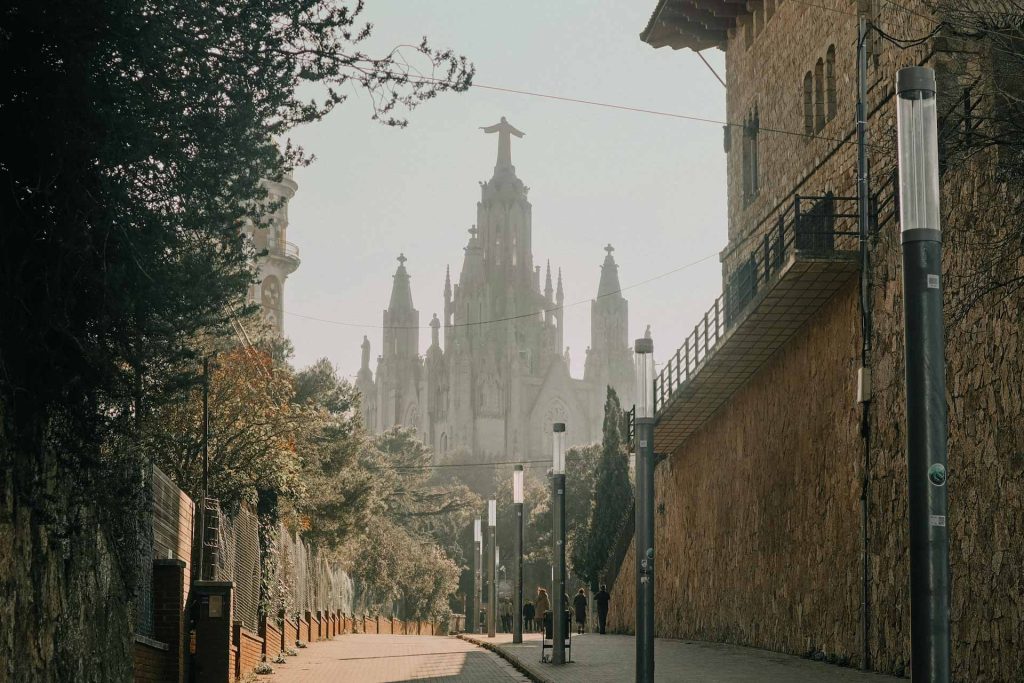
What the Off-Season Brings
- November–December: Calm cultural months with a subtle festive glow
- January–February: Barcelona at its most local, fewer visitors, everyday rhythms.Easy to get a table at a Michelin Star Restaurant or a Ticket for Sagrada família.
- March: Longer days, renewed energy without peak crowds
- April: Spring arrives, Sant Jordi brings books, roses, and one of the city’s most meaningful celebrations. Easter celebrations outline catalan roots.
What to Pack
Think layers over bulk. Mild days, cooler evenings, comfortable walking shoes, a warm jacket after sunset, and an umbrella/poncho for occasional light rain.
Do’s & Don’ts
Do lean into seasonal menus, explore beyond landmarks, and choose private or small-group experiences. Don’t rush or try to replicate summer expectations — the off-season rewards patience and curiosity.
Conclusion: Barcelona, Without the Filter
Barcelona’s off-season is not a compromise — it is the city in its most coherent form. With fewer distractions, the details become clearer: the rhythm of neighborhoods, the elegance of Modernista streets, the warmth of winter food, the quiet intelligence of museums experienced with time to absorb them. This is when Barcelona feels less like a destination and more like a place — lived, layered, and unmistakably itself.
What makes these months so rewarding is not simply the absence of crowds, but the presence of something else: locals real life. Seasonal traditions are not performed, they are practiced. Concerts, exhibitions and expos are at this time thought for catalans, so at a very high quality standard. Cafés and markets run on local logic. Even the city’s great icons — Gaudí, the Gothic Quarter, Montjuïc — feel more accessible, more human, and easier to understand when you are not being moved along by volume.
At BrightSide Tours Barcelona, this is the season we love most, because it allows the kind of travel we believe in: slower, more thoughtful, and guided by real local perspective. If you’re drawn to Barcelona for its culture, its character, and its everyday beauty — not just its highlights — we would be delighted to show you the city when it belongs, once again, to those who know her best.
FAQs: Barcelona Off-Season Travel
Is Barcelona worth visiting in the off-season?
Absolutely. The off-season offers easier access to culture, fewer crowds, and a more authentic city rhythm. Barcelona functions fully year-round, making this period ideal for travelers who value depth over volume.
What months are considered off-season in Barcelona?
Generally, November through March, excluding the Christmas period. April and October act as shoulder months, combining pleasant weather with a quieter balance between visitors and local life.
Is the weather comfortable for sightseeing?
Yes. Off-season weather is mild and walkable, with daytime temperatures typically between 10–16°C (50–61°F), low humidity, limited rainfall, and frequent sunshine — ideal for architecture, walking, and outdoor exploration.
Are museums, restaurants, and attractions open?
Barcelona is a living city, not a seasonal resort. Museums, cultural institutions, restaurants, and landmarks remain open year-round, often with better availability and a more relaxed pace during off-season months.
Will I miss festivals or cultural events?
Quite the opposite. Many of Barcelona’s most meaningful festivals and concerts take place between autumn and spring, experienced primarily by locals and without the crowds common in peak summer months.
Is off-season travel suitable for first-time visitors?
Yes—especially for culturally curious travelers. With fewer crowds and less pressure, first-time visitors can explore Barcelona more calmly, understand its layers more clearly, and connect experiences with greater context.
Do I need to book experiences far in advance?
While popular restaurants and special events still benefit from reservations, off-season travel offers greater flexibility. Private visits, guided experiences, and dining options are generally easier to arrange than in high season.
Is off-season travel still a premium experience?
Very much so. In Barcelona, exclusivity comes from access, time, and attention — not restriction. Off-season conditions allow for more personal interactions, thoughtful pacing, and a higher-quality overall travel experience.