24h in Barcelona For Foodies, Key Takeaways:
- Markets shape the city — Neighborhood markets remain daily anchors for fresh produce, delicacies, and authentic local rhythm.
- Food is social architecture — Tapas, pintxos, and, “menjar de cullera” and calçots structure conversation, pacing, and shared cultural identity.
- Seasonality defines excellence — Olive oil harvests, calçot season, daily menus and Michelin menus follow the Mediterranean calendar.
- Craft meets celebration — From humble pa amb tomàquet with ham or anchovies to three-star creativity, contrast defines Barcelona’s culinary depth.
Have specific questions? Jump directly to the FAQ section below for clear, practical answers.

24h in Barcelona For Foodies: Nine Pieces to Best Play With Flavor
If you approach Barcelona as a food lover, you have hit the jackpot. Markets wake early. Lunch is taken seriously. Afternoons soften into something sweet. Evenings are built for sharing. So is Barcelona for foodies? Absolutely! One of the most intelligent ways to read the city is through its culinary wealth.
You would not attempt to taste everything in a single day. That would miss the pleasure entirely. Instead, think in carefully chosen pieces. Consider this a curated set of nine edible building blocks: three things to see, three to experience, and three to taste. Each one reveals a different chapter of Barcelona’s culinary language. From market logic to vermouth ritual, from traditional rice to playful Michelin precision.
If you chose to assemble them all into one ambitious day, it would be unrealistic and not very Spanish – food is pleasure, not rush. More realistically, you will select the combinations that suit your appetite and energy. That is the point. Instead of a checklist, take this as a framework — one you can compress, stretch, or elevate depending on how hungry you are, and how deeply you want to taste the city.
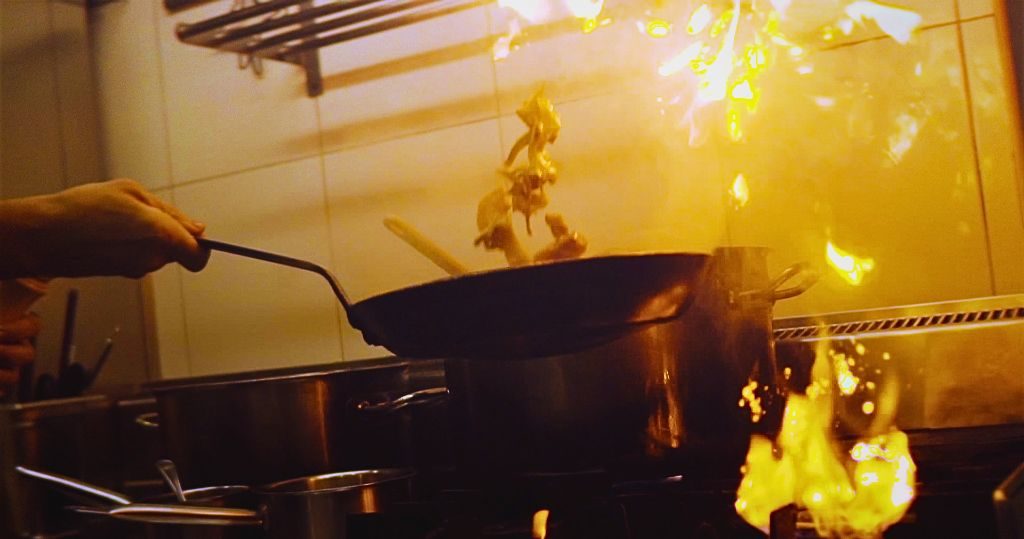
The Three Sights: Markets, Cacao History, and Pintxos in Full Color
Markets Delight
La Boqueria is famous because it sits on Les Rambles, but it becomes truly meaningful when you see it as part of Barcelona’s broader market culture. Nearly every neighborhood traditionally has its own municipal market, and that structure still defines daily life today. Locals continue to buy fresh fish, seasonal vegetables, artisan cheeses, cured meats, and delicacies from specialized stalls rather than anonymous supermarkets. Many of these markets are housed in remarkable late 19th and early 20th century steelwork halls, where iron columns and vaulted roofs create light-filled civic spaces devoted entirely to food.
Arrive close to opening on a weekday, walk one slow loop, and observe how professionals buy produce with quiet precision. For contrast, continue to Mercat de Sant Antoni, whose restored steel structure shows how architecture, culture, and delicious snacks come together in one unforgettable urban experience.

There are 39 food markets in Barcelona and at leat one must belong to any Barcelona for foodies guide. Wherever you are in the city, just look for the closer one – afterall, you only have 24h in Barcelona.
Chocolate Museum
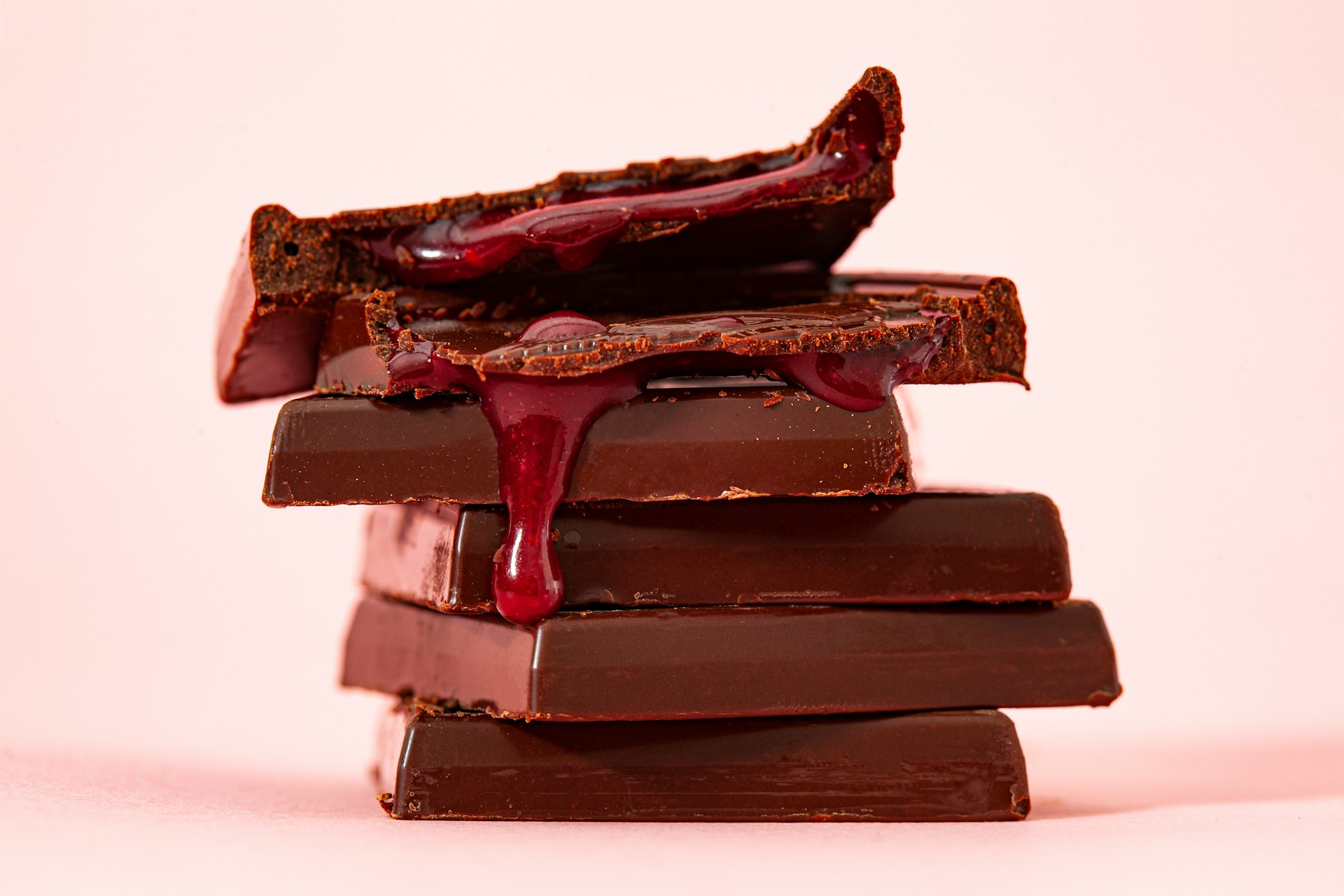
The Museu de la Xocolata in El Born, created by Barcelona’s historic pastry guild, is far more than a playful stop for sweet lovers. It traces cacao from its sacred Mesoamerican origins through its arrival in Europe. Learn about the Spanish trade routes, and Catalonia’s deeply rooted confectionery culture. Within its compact galleries, you move from raw cacao beans to refined pralines, understanding how technique, temperature, and patience shape texture and flavor.
Plan at least 60 minutes and approach it as a cultural deep dive rather than a novelty visit. The chocolate sculptures are impressive and often witty. But what truly elevates the experience is the context: Barcelona’s guild tradition, the ceremonial Easter mona gifted to children, and the city’s long-standing artisan chocolate houses. You leave with a clearer sense that pastry here is not decorative excess but disciplined craft, passed down through generations with pride and precision.
1001 Pintxos
Pintxos originate in the Basque Country, especially in San Sebastián, where bar hopping for small bites became a refined social ritual. The word comes from “pinchar,” to pierce, referencing the toothpick that secures each composition to bread. In the best bars, these are not random snacks but miniature high cuisine. Carefully balanced with salty anchovies, pickled peppers, creamy cod, slow cooked meats, and bright sauces that wake up the palate instantly. Barcelona foodies have embraced this culture with conviction and so will you.
At Carrer de Blai in Poble-sec you will find lively counters designed for visual seduction. In El Born, Euskal Etxea offers one of the city’s most authentic Basque style pintxo experiences inside a cultural center dedicated to tradition. Stand at the bar, choose with your eyes, keep portions small, and let the rhythm guide you. Pintxos reward curiosity, movement, and conversation.
The Three Experiences: Participation, Rhythm, and Seasonal Ritual
Do a Cooking Workshop
A hands-on cooking workshop transforms curiosity into understanding and anchors your Barcelona for foodies itinerary in real technique. The best classes begin at the market, teaching you how to read freshness, seasonality, and fish counters before you ever light the stove. Born to Cook in El Born is particularly strong in this respect, combining market literacy with classic Catalan and Spanish recipes. So you understand not only how to prepare paella or romesco, but why the ingredients behave as they do.
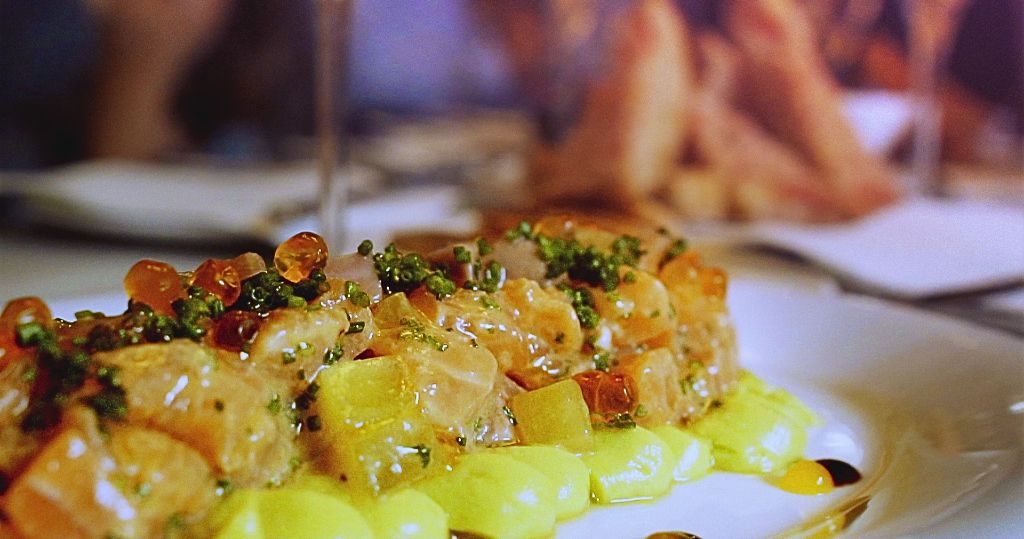
Barcelona Cooking offers a structured Boqueria visit followed by a multi-course tapas and paella session that feels both celebratory and instructive. Morning sessions keep your afternoon open for exploration; early evening workshops become your main meal. Either way, you leave with more than a recipe. You leave with confidence, context, and a deeper appreciation for the logic behind every plate that follows.
Experience the Tapas Culture
Tapas are not a specific dish but a way of eating woven into daily life across Spain. The word comes from “tapa,” a lid once placed over a glass, and evolved into the custom of small plates served alongside drinks. Keep in mind tapas are informal, flexible, and social rather than ceremonial. Also, they can be just a snack or turn into a full dinner – it’s all up to you!
In Barcelona, tapas intersect with Catalan pica-pica traditions, where shared starters set the tone for conversation before the main course. Approach them as a progression: order two plates, share, pause, then add another round. Balance patatas bravas, croquetas, padrón peppers, anchovies, Iberian ham, and the Barceloneta-born bomba to taste both Spain and Catalonia in one sitting. You can stay anchored at a respected bar like Cal Pep or Bar Cañete, or go tapeo and move between stops such as Quimet & Quimet. The rhythm matters more than quantity, and the table always expands naturally.
Ride The Sidecar of Flavor
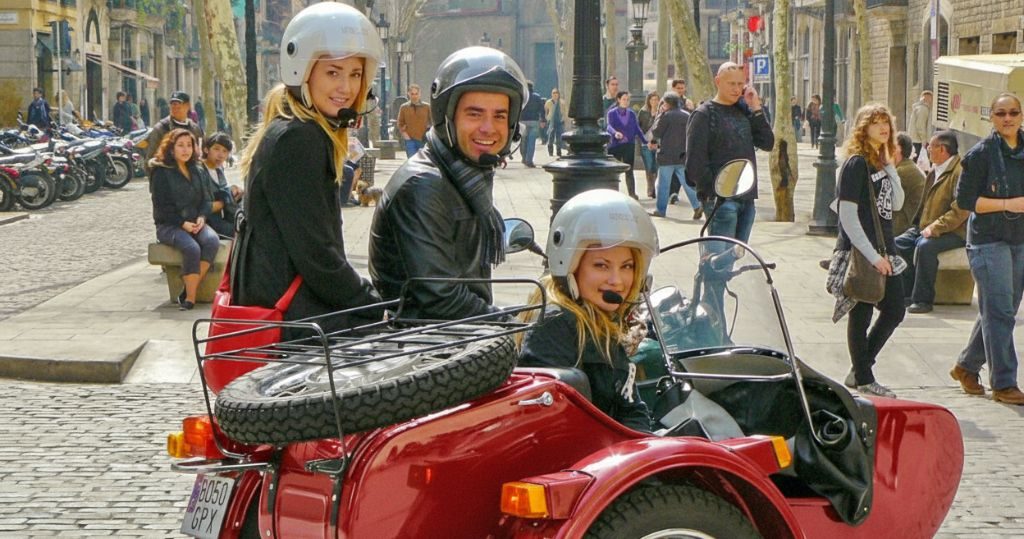
This is for you if you wish to experience Barcelona’s tapas culture and the amazing atmosphere and architecture of Barcelona at Sunset. Our TAPAS & SUNSET BARCELONA FOODIE TOUR BY SIDECAR delivers all you want. Imagine being picked up at your hotel by a private guide on a gorgeous sidecar motorcycle. Then go for an amazing sunset tour of Barcelona, discover its neighborhoods, best viewpoints, and the beachfront. Along the way, enjoy an outstanding local tapas dinner with a local Barcelona for foodies expert.
Taste Authentic Olive Oil Culture
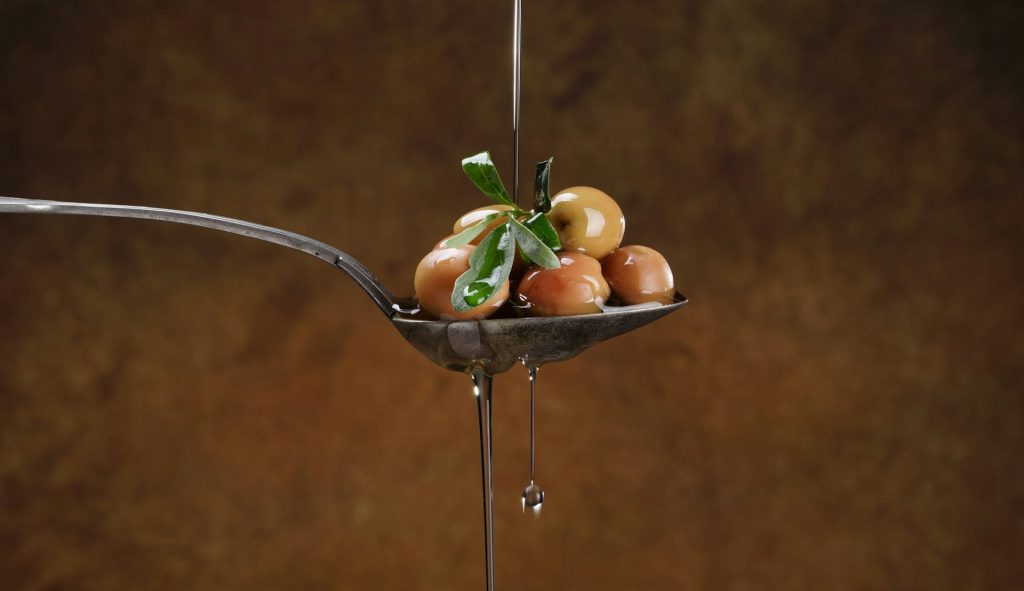
If there is one ingredient that quietly defines Barcelona’s culinary DNA, it is olive oil. Spain produces nearly half of the world’s olive oil, and while Andalusia leads in volume, Catalonia contributes oils of remarkable precision and character. Arbequina olives, native to this region, create smooth yet aromatic oils with almond, green herb, and subtle pepper notes. In Barcelona, olive oil is not hidden inside sauces. It is poured generously over pan con tomate, used to finish grilled vegetables, and tasted with bread before any other course.
A proper tasting reveals its complexity. You warm the glass in your hand, inhale deeply, and notice fruitiness, bitterness, and pungency separately. Early harvest oils offer grassy intensity and a peppery finish; later harvest oils feel rounder and softer. For an intellectually satisfying experience, Orolíquido in the Gothic Quarter hosts serious tastings and in an elegant setting. The historic house Olis Bargalló offers heritage-driven presentations rooted in 19th-century Catalan tradition. Once you understand olive oil, you begin to taste Barcelona differently everywhere you go.
The Three Flavors: Sparkle, Craft, and Culinary Ambition
Sparkling Cava Toast
Cava is produced primarily in Catalonia and especially in the Penedès region just outside Barcelona. It is Spain’s traditional-method sparkling wine and a defining expression of Catalan identity. Like Champagne, it undergoes secondary fermentation in the bottle and ages on its lees. However, its personality is shaped by local grapes such as Macabeu, Xarel·lo, and Parellada. Xarel·lo in particular gives structure, herbal tension, and Mediterranean freshness. Resulting in wines that feel bright, citrus-driven, and gastronomic rather than buttery or austere.
High-quality Reserva and Gran Reserva bottlings can rival far more expensive sparkling wines, often at a far more compelling price-to-pleasure ratio. In Barcelona, Cava is not reserved for ceremony; it is woven into everyday life. Stand at Can Paixano in Barceloneta, known locally as La Xampanyeria. Here house sparkling wine flows alongside simple sandwiches and tapas. Or slip into El Xampanyet in El Born for anchovies, conservas, and a steady rhythm of poured glasses. Notice how the acidity cuts through fried seafood, refreshes jamón, and lifts even the richest small plates.
THE BRIGHT INSIGHT
BrightSide Tours Barcelona offers the possibility of touring Barcelona and toasting with Cava from a stunning viewpoint over Barcelona. Book now your private tour of Barcelona by sidecar motorcycle with a local guide for an unforgettable experience.
If however, you are the hopeless wine lover, the HALF DAY WINE TASTING & WINERY TOUR BY SIDECAR MOTORCYCLE should be on your A-list. You will ride on a sidecar motorcycle out of Barcelona and into the countryside to experience the best of the best of wine making in Catalonia. At a local family ran wine estate, fully organic and with multiple top award winning wines, you will learn about the the local varieties, ride the vineyards on a 4×4 and taste the best wine and Cava in the region.

Taste the Michelin Stars
Barcelona’s Michelin star scene is not an isolated luxury bubble but a visible sign of a deeply vibrant culinary culture. The city consistently ranks among Europe’s gastronomic leaders, with about thirty starred restaurants spanning distinct styles and neighborhoods. What makes it compelling is the range.
At one star, Caelis near the Gothic Quarter delivers refined Franco-Catalan precision in an elegant yet approachable setting. At two stars, Enigma by Albert Adrià offers an immersive, multi-stage tasting experience that feels architectural and avant-garde without losing product clarity. At the three-star level, Disfrutar in Eixample represents the summit of Mediterranean creativity, where former elBulli chefs transform familiar ingredients into playful, technically brilliant compositions.
Lunch is often the most accessible entry point into this world. Early weekday seatings allow you to experience 90 to 120 minutes of composed, high-level cooking without the weight of late-night formality, proving that Michelin dining here is as much about cultural energy as it is about stars.

Our Barcelona Michelin Star Restaurant Guide is certainly of your interest if you have read this far our Barcelona for foodies blog post.
Join a Calçotada
If you visit between late January and March, calçot season defines winter gatherings in Catalonia. A calçotada is not simply a meal but a seasonal ritual built around calçots, a long, sweet local onion traditionally associated with the region of Valls. They are charred whole over open flames until the outer layers blacken, then peeled by hand, dipped generously into smoky romesco, and eaten by lifting them high and tilting your head back. It is gloriously messy, and that is precisely the point. The feast continues with grilled botifarra, lamb, sometimes artichokes, rustic bread, and red wine poured from a porró, often ending with crema catalana.
It is deeply Catalan, tied to agricultural rhythm and winter weekends with family and friends. You cannot authentically schedule it year round, which makes it even more meaningful. Reserve a seasonal menu in advance, wear something forgiving, and arrive ready to embrace smoke, laughter, and shared ritual.
Want to know more? Read our blog post about what are calçots and calçotada.
Barcelona For Foodies in 24h: Conclusion
You would not normally attempt to layer all nine of these food chapters into a single day. Barcelona’s culinary culture deserves appetite and attention, not acceleration. But it is revealing — and undeniably tempting — to see how the pieces might connect if you chose to build them into one ambitious gastronomic narrative.
Morning
Imagine beginning early at La Boqueria, as the city stretches awake and chefs move with quiet authority between fish, herbs, and fruit. Then continue to a second neighborhood market such as Sant Antoni, where you feel how deeply this civic food culture still anchors daily life. Two markets, two atmospheres, one shared logic: quality first.
Afternoon
From there, drift into El Born for a thoughtful pause at the Chocolate Museum, tracing cacao from sacred ritual to Catalan confectionery craft. Late morning flows naturally into a cooking workshop, where market knowledge turns into technique and lunch becomes something you have helped create — not simply consumed.
As afternoon light softens, step into the visual theatre of pintxos. Move from counter to counter with intention rather than excess, letting acidity, texture, and color reset your palate. In winter, gather around fire and smoke for a calçotada; in warmer months, let a sequence of tapas unfold at its own elastic rhythm.
Evening
Then comes your culinary summit. Perhaps a Tapas & Sunset Sidecar Tour or a carefully composed Michelin lunch that respects your pacing, or a more daring evening tasting that stretches imagination. If you are embracing the full fantasy of the composition, end the night standing shoulder to shoulder in a classic Cava bar, glass chilled, conversation alive.
Would you do all of this in one continuous sweep? Likely not. But seeing how the sequence unfolds clarifies something essential: Barcelona’s food culture is structured like a tasting menu — layered, seasonal, communal, and paced.
Take three courses. Take five. Or trace the entire arc. There is no single perfect Barcelona foodie itinerary, only beautifully calibrated versions shaped by season, appetite, and curiosity.
THE BRIGHT INSIGHT
Explore our private Barcelona sidecar and foodie experiences
Experience Barcelona rhythm with deeper local context and effortless movement between markets, neighborhoods, and culinary highlights. Our private sidecar tours of Barcelona offer a refined way to connect architecture, history, and gastronomy within Barcelona’s city center.
FAQ’s: Barcelona For Foodies in 24h
What is the best time to visit La Boqueria for fewer crowds?
Arrive within 30 minutes of opening on a weekday and complete your visit before late morning peak traffic builds.
How long should you plan for the Chocolate Museum?
Allow 45 to 75 minutes including the shop, ideally between market visits for a balanced pacing break.
Where is the best area for pintxos in Barcelona?
Head to Carrer de Blai in Poble-sec early evening, try at least three bars, and keep each stop brief and focused.
How do you order tapas like a local?
Order gradually in small rounds, share everything, and ask what is freshest today before repeating favorites.
When is calçot season in Barcelona?
Calçot season typically runs from late January through March; reserve seasonal menus in advance during weekends.
What’s the difference between Cava and Champagne?
Cava uses the traditional method with bottle fermentation that Champagne uses as well, but relies on local grape varieties and Mediterranean aging conditions.
Can you enjoy a Michelin restaurant without a long evening commitment?
Yes, choose a weekday lunch seating and expect a structured 90 to 120 minute experience.
How far ahead should you reserve top molecular restaurants?
Book several weeks ahead for headline venues and treat the reservation as a central moment of your trip.