Vermouth in Barcelona, Key Takeaways:
-
- Catalan vermouth revival — Barcelona has reclaimed vermouth as a hip, heritage-rich ritual bridging generations and cultures.
- Social ritual, not just a drink — “Fer el vermut”is a midday cultural event, not merely an aperitif.
- Authenticity across barris — Every neighborhood offers its own vermouth experience, from historic bodegas to trendy spots.
- BrightSide blends tradition with thrill — Sidecar tours weave cultural insight, gastronomy, and personality into seamless local storytelling.
- Do as locals do — Timing, tapas, and ambiance are essential to embracing vermouth the authentic Catalan way.
Have specific questions? Jump directly to the FAQ section below for clear, practical answers.
Vermouth in Barcelona: Why Vermuteo Belongs on Your Itinerary
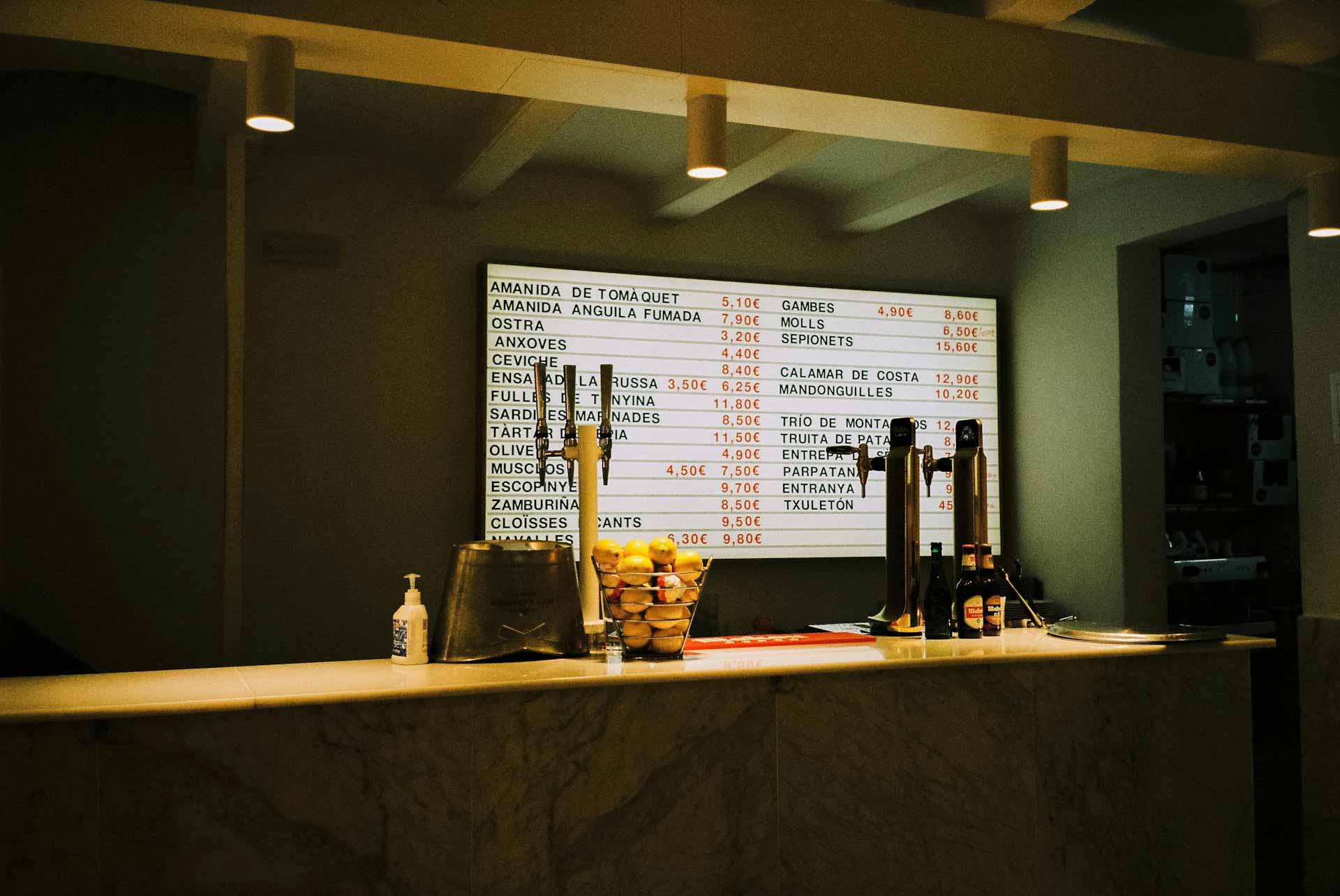
If you’re drawn to travel experiences that blend heritage like us at BrightSide Tours, flavor, and authenticity, then, “fer el vermut” may become your favorite Catalan discovery. In Barcelona, ordering a vermouth isn’t just about the drink itself — above all, it’s a nod to a time-honored social ritual that connects generations, neighborhoods, and cultural pride. Whether you’re strolling through the winding alleys of El Born or zipping across the city on a BrightSide Barcelona tour by sidecar motorcycle, you’ll surely notice the clink of small glasses, the glisten of anchovies, and the hum of good conversation around midday. That’s indeed “fer el vermut”: a moment of pause, pleasure, and belonging.
This article is our personal take on Barcelona’s vermouth culture—crafted by the BrightSide team to share the stories, rituals, and hidden gems we genuinely love. It’s the way we enjoy vermuteo ourselves, and how we recommend you savor it too. Let’s dive in.
What Is “Fer el vermut”? A Living Ritual of Catalonia
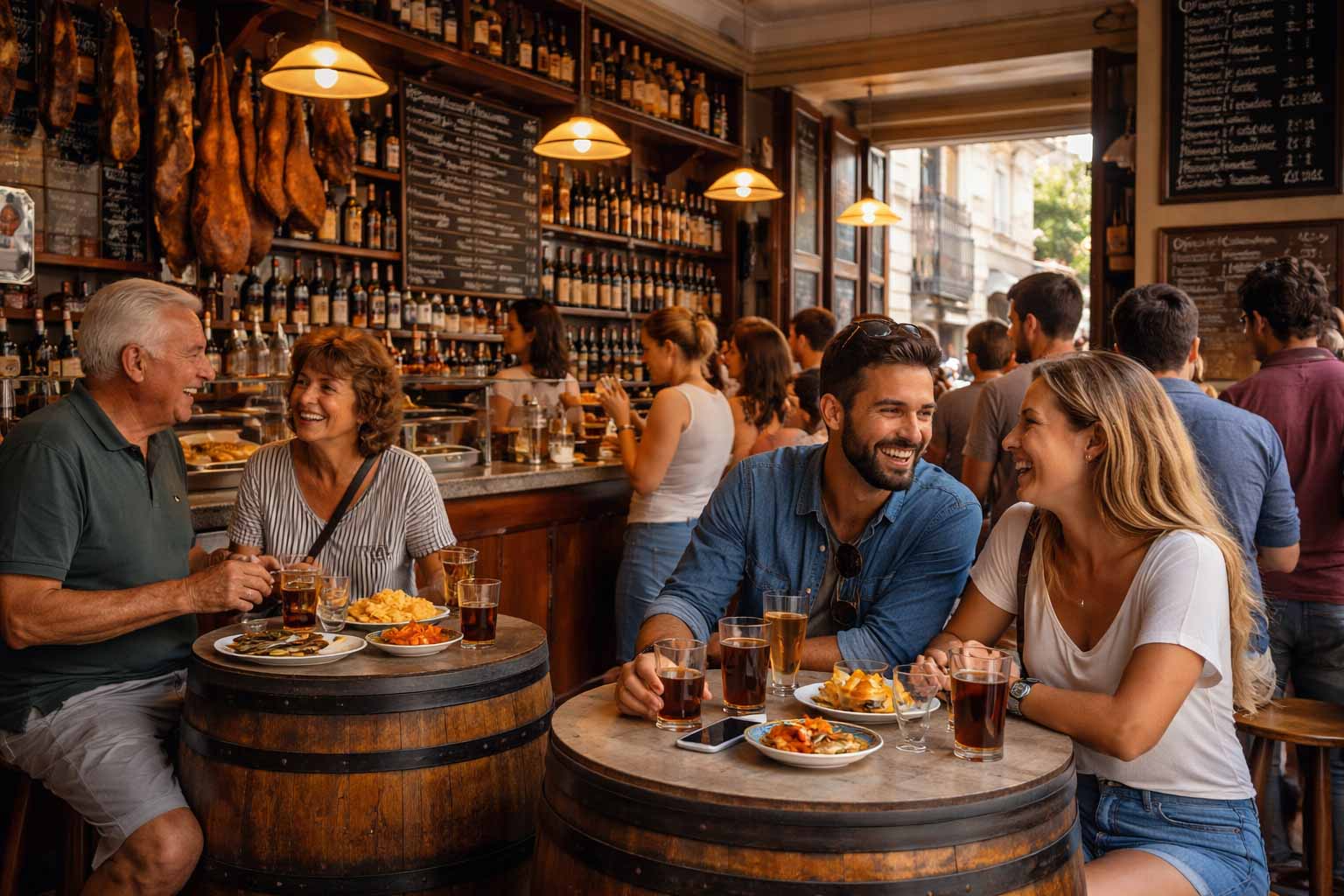
Vermuteo (spanish adoption, “fer el vermut” in Catalan) refers to the beloved tradition of gathering before lunch to enjoy a glass of vermouth, surely accompanied by light bites and good company. While vermouth itself — a fortified, aromatized wine — is made worldwide, its cultural expression in Barcelona is uniquely Mediterranean: relaxed, social, and unpretentious.
Most importantly, vermuteo is about connection. So you’ll find retirees reading the paper at their neighborhood bar, couples reconnecting, and friend groups toasting over briny cockles. It’s a pause that anchors the Catalan week.
THE BRIGHT INSIGHT
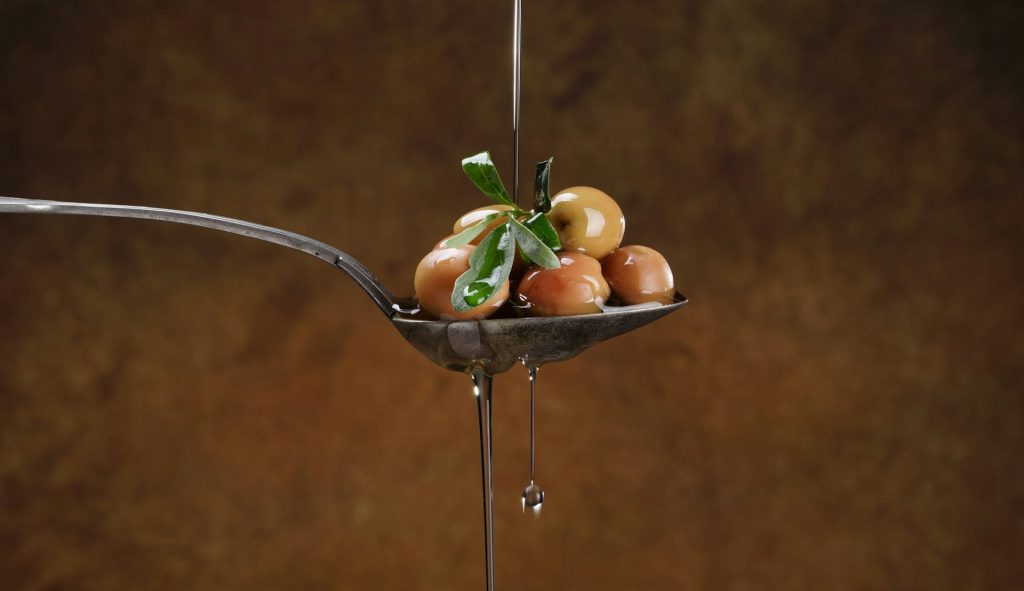
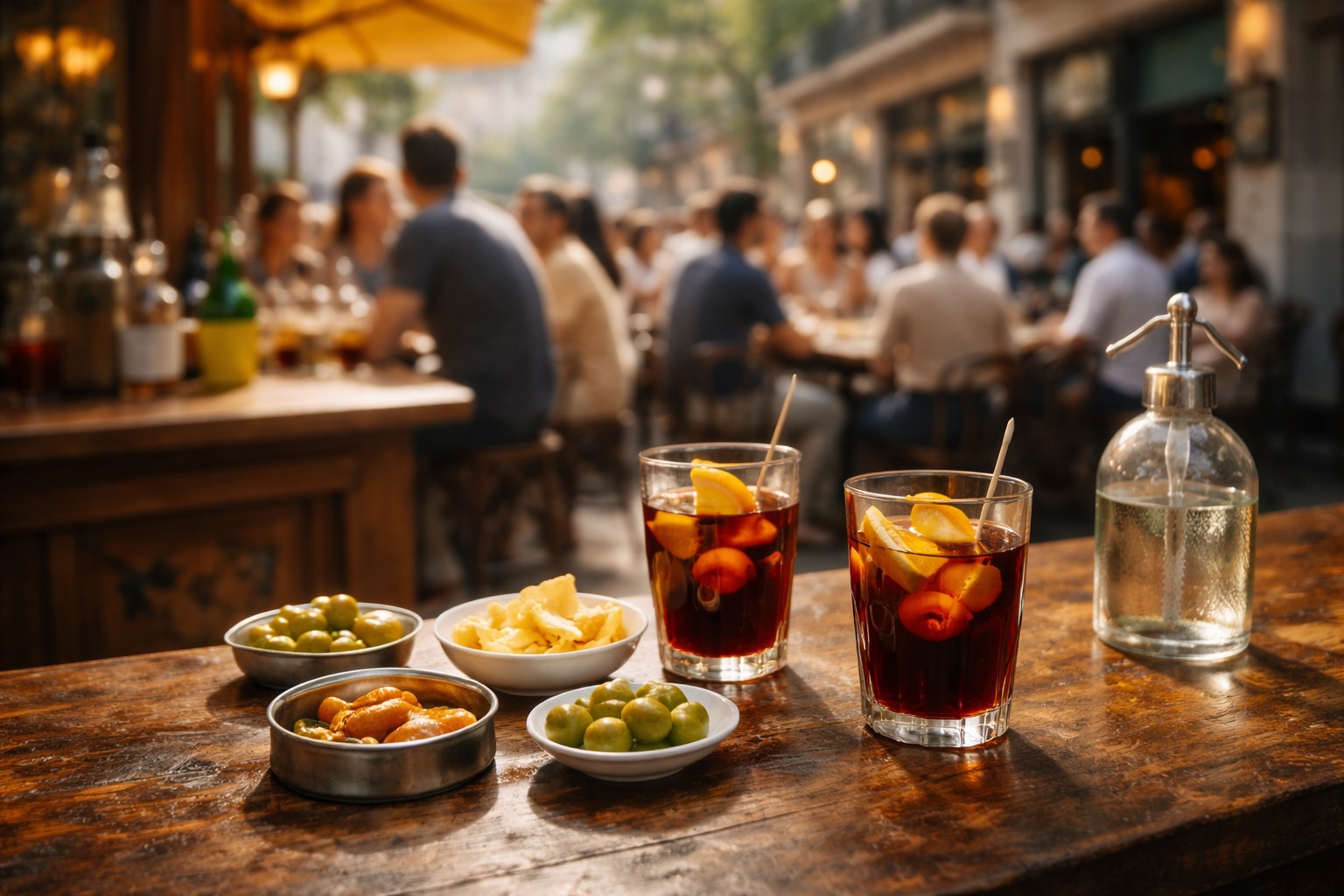
The drink is usually served over ice, garnished with an olive or a slice of orange, and paired with nibbles like potato chips, olives, or canned seafood. Add a splash of soda from a vintage siphon bottle (if you’re in a traditional spot), and you’re living the classic vermuteo experience.It lifts botanicals, softens sweetness, and keeps vermouth crisp without diluting its character
The Barcelona Vermouth Connection
While vermouth originated in 18th-century Italy, Catalonia quickly adopted and adapted the drink in the late 19th century, especially in Reus and Barcelona. One of the earliest and most iconic tributes to the drink was the elegant Café Torino, opened in 1902. Co-designed by none other than Antoni Gaudí, it was a lavish, art-nouveau space dedicated entirely to vermouth—drawing in Barcelona’s elite. Though immensely popular during its time, Café Torino was short-lived, closing after just eight years. It remains one of Gaudí’s most ephemeral works, and one of his few dedicated to gastronomy and leisure.
The Sunday Law
In the mid-20th century, “l’hora del vermut” became a Sunday institution after church. By the 1980s, the tradition waned—only to be spectacularly revived in the 2010s by a new generation of artisanal producers and young locals rediscovering its charm. Vermouth, once grandpa’s drink, became the cool crowd’s aperitif again.
Sundays, in particular, hold a special place in this tradition. It’s the day when families gather for the long Catalan lunch, but vermuteo provides the perfect excuse to meet friends beforehand. That’s why you’ll often see parents enjoying a vermouth on a terrace while children play nearby on the square—an easy, joyful rhythm that defines weekend life in Barcelona.
Today’s Vermouth Culture in Barcelona
For us at BrightSide Tours, vermuteo captures one of the purest pleasures of Barcelona life. It’s timeless, yet always in step with the city’s energy. We find ourselves returning again and again to the places we love — some humble, others beautifully designed — where around noon (especially on Sundays), the city slows, glasses clink, and the ritual of vermouth + tapa + terrace unfolds just as it should.
Some essentials of the culture:
- The Drink: Often a sweet red vermouth from Reus, Tarragona, or a house blend served on tap.
- The Garnish: Always an olive, or a slice of orange.
- The Pairing: Conservas (tinned seafood), olives, anchovies, potato chips, and Salsa Espinaler.
- The Ambience: Casual, warm, and intergenerational.
You don’t need to know the brand. In fact, mystery is part of the charm — house vermouths are often custom blends, proudly guarded by the bar owner. Ask for “vermut de la casa” or “vermut de grifo,” and enjoy the pour.
THE BRIGHT INSIGHT
Order one vermut, then ask what conservas they’re proud of today. The best places rotate tins quietly; the bartender’s pick often outshines any printed menu.
Barcelona’s Best Vermouth Bars by Neighborhood
In this paragraph, we’ll get practical, and so you fully embrace vermuteo, explore its geography. Here’s a curated selection of our favourites — seven standout vermuterías we genuinely love across Barcelona’s iconic barrios:
- Quimet i Quimet (Poble Sec) – A family-run classic known for creative montaditos and top-tier vermouth. (https://quimetiquimet.com/en/)
- Bodega La Plata (Gòtic) – Bare-bones, four-tapa menu, and a perfect glass of house vermut near Roman ruins. (https://barlaplata.com/lastapasdelbarlaplata/)
- Bar Electricitat (Barceloneta) – Pour-your-own from unlabeled bottles in this seafront, working-class relic. (https://bcnsostenible.cat/en/web/punt/bodega-electricitat)
- Bodega Marín (Gràcia) – A 1916 gem serving vermut casero to multi-generational regulars. (https://bcnsostenible.cat/es/web/punt/bodega-marin)
- Morro Fi (Eixample) – A pioneer of the vermouth revival, with its own brand and loyal young following. (https://morrofi.cat/)
- Bar Calders (Sant Antoni) – Terrace hotspot with a boho crowd, literary flair, and creative tapas. (https://www.barcalders.cat/en)
- Bodega Maestrazgo (El Born) – Hidden wine shop with house vermouth and gourmet boards. (https://www.facebook.com/BodegaMaestrazgo)
These are not tourist traps, firstly, they’re living institutions. Go with curiosity, but not a checklist. If you are a real foodie and want to go deeper into the local culinary culture, then you should check out our Barcelona Michelin Star Guide for the city for practical tips around Barcelona’s haute cuisine
Discover the authentic side of this amazing city with our Barcelona city tour by sidecar motorcycle with your private guide. End your tour at an authentic Vermut Bodega to rest and recover with a drink and a tapa, local style.

Vermouth Culture Meets BrightSide Tours
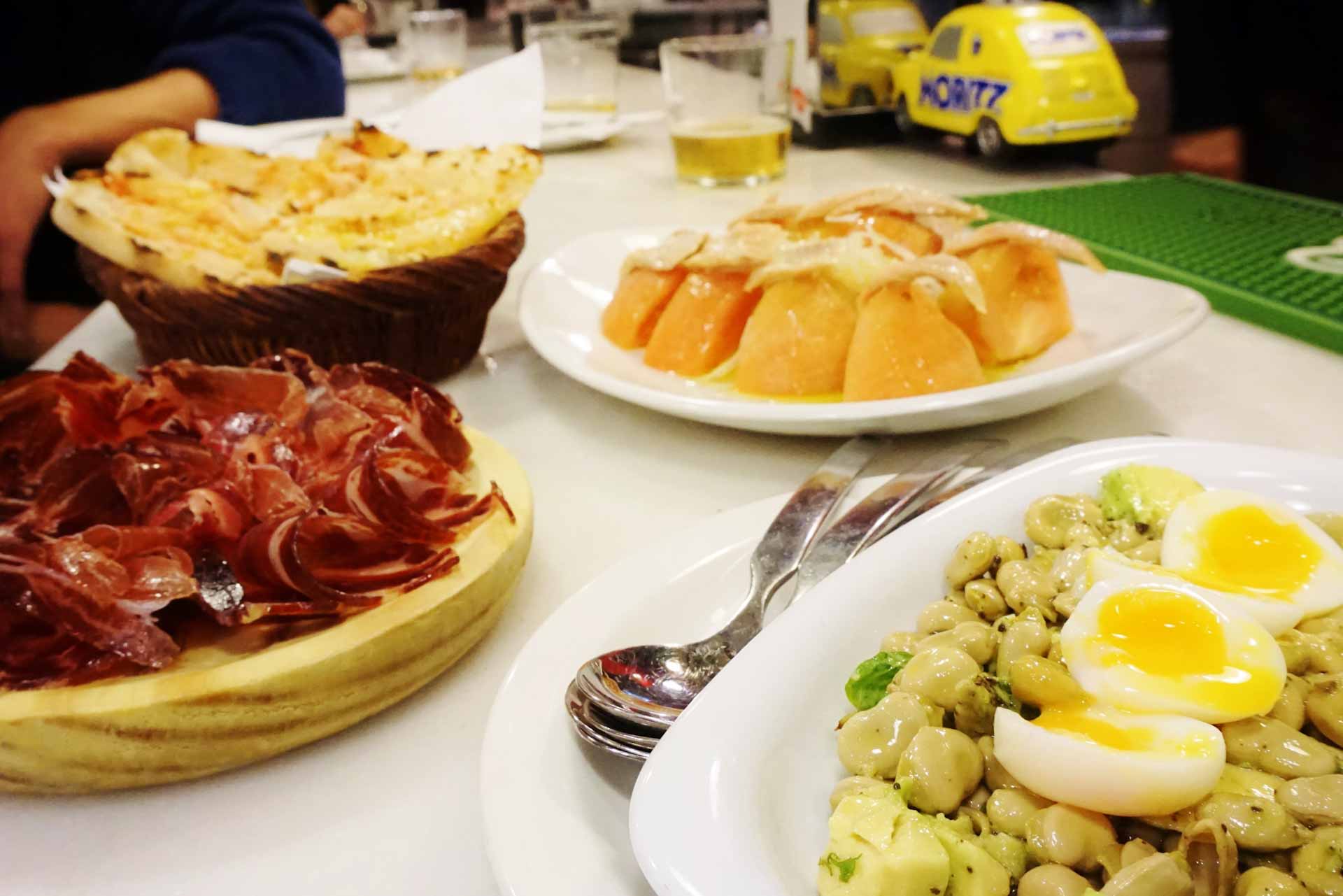
At BrightSide Tours, we know that exploring Barcelona isn’t just about architecture or museums — definitively, it’s about flavor, texture, and the stories in between. That’s why our private Barcelona city tours often incorporate the city’s vermouth scene.
Imagine cruising past Gaudí landmarks and ending up at an authentically local vermouth place like at Quimet i Quimet. Or rolling through the hidden alleys of Gràcia before starting your lunch with an aperitif at a neighborhood bodega for a quiet midday glass. Just tell us you’re into vermouth, and we’ll tailor the ride.
Because in the end, vermuteo and BrightSide share a common spirit: slow, sensory, social travel with depth and style.
Events That Celebrate the Vermouth Renaissance
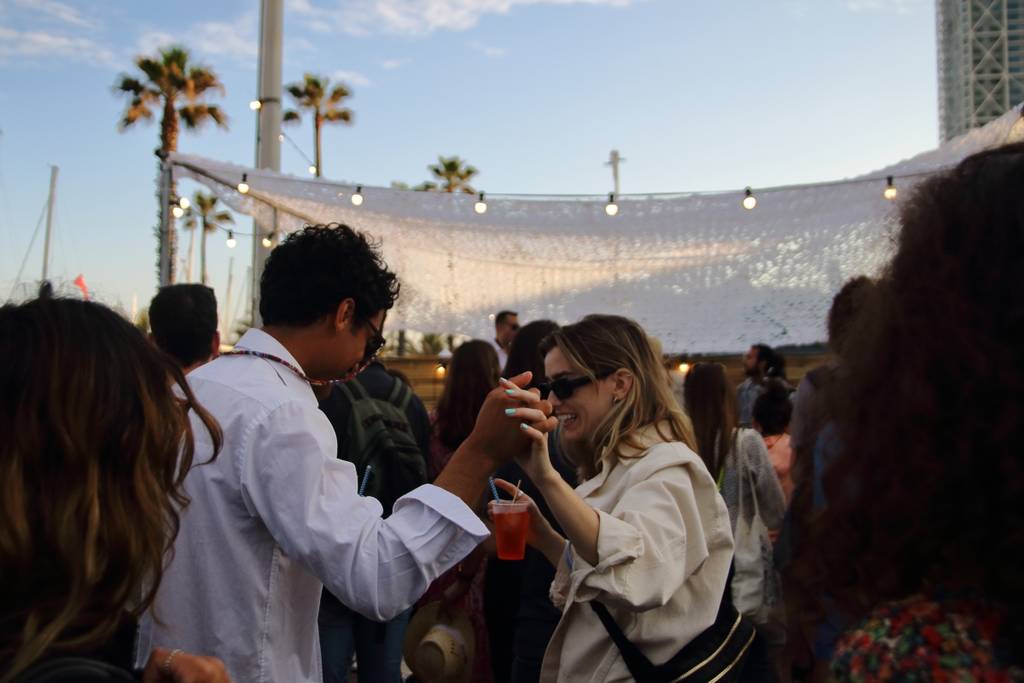
Barcelona’s events calendar now features vermouth-centric gatherings, from block parties to international fairs:
- Vermut & Soul Festival – Multi-day aperitif fest with live music, tastings, and workshops. (https://www.vermutandsoul.com/)
- Va de Vermut – Annual fair showcasing local and global vermouths. (https://vadevermut.com/feria-vermut/)
- Neighborhood Vermouth Routes – Self-guided routes with tapa + vermouth pairings across bodegas.
If you’re planning a trip, consider timing your visit with one of these events—or ask us about what’s on during your dates.
How to Build Vermuteo into Your Trip

You don’t need a tour to enjoy vermuteo (though we’d love to show you around). Here’s how to blend it into your itinerary:
- Set aside time: Block 12–2pm for vermouth hour, especially on weekends.
- Tie it to landmarks: After Sagrada Família? Try nearby Casa Mariol (https://www.casamariol.com/en/). After the beach? Head to Electricitat (https://bcnsostenible.cat/en/web/punt/bodega-electricitat).
- Use it as a neighborhood lens: Explore Gràcia, Sant Antoni, or Poble Sec via their vermut bars.
- Order like a local: Ask for “un vermut de la casa, si us plau” and don’t skip the snacks.
- Pack a souvenir: Pick up a bottle of Catalan vermouth (or Espinaler sauce) to take home.
Embrace the mindset: vermouth isn’t about the drink—it’s about making space for delight and social connection on a slow day.
Conclusion: Travel the BrightSide of Tradition
Vermuteo is, at heart, a simple pleasure with deep roots. What began as a working-class aperitif has become one of Barcelona’s most cherished rituals—bridging generations, neighborhoods, and ways of life. Whether enjoyed standing at a barrel in a century-old bodega or on a sunny terrace with friends, vermouth captures the city’s talent for slowing down and savoring the moment. It’s less about what’s in the glass and more about when, where, and with whom you drink it.
Understanding vermuteo means understanding Barcelona itself: local, social, a little nostalgic, and always evolving. It’s no surprise that experiences like BrightSide Tours naturally cross paths with this tradition — not as a centerpiece, but as part of the wider story of moving through the city like a local. However you discover it, vermuteo invites you to pause, connect, and enjoy Barcelona at its most authentic.
Plan your trip and book a unique Barcelona Night Tour by sidecar motorcycle with a taste of vermouth culture

FAQs: Vermouth in Barcelona
What’s the best time window to do vermuteo so you catch the local energy?
Aim for 12:00–2:00 pm. Go closer to 12:30 on weekends, then book lunch for 2:00–2:30 to keep it seamless.
What should I say to order a great house vermouth in Barcelona (the exact Spanish/Catalan phrasing)?
Say: “Un vermut de la casa, si us plau” (Catalan) — locals will love you for using the regional language.
What’s the “classic” vermuteo setup to order in one go (drink + 2–3 must-have snacks)?
Order a vermut de la casa over ice, plus anchovies, olives, and conservas (cockles or mussels). Add chips and Espinaler if available.
How do I choose the right style of place for me: traditional bodega, modern vermutería, or seaside local bar?
Choose bodegas for heritage and locals; modern vermuterías for buzzy vibes; seaside bars for relaxed, salty-snack pairing after the beach. Have a look at our curated list at our Barcelona Travel Guide.
Which neighborhoods should I prioritize for vermuteo if I only have one afternoon?
Pick El Born or Gòtic for central tradition, Gràcia for neighborhood charm, Poble Sec for iconic tapas energy, or Barceloneta for seaside local character.
Where can I do a truly authentic vermouth stop in central Barcelona without falling into a tourist trap?
In central areas, prioritize long-running bodegas like Bodega La Plata (Gòtic) or Bodega Maestrazgo (Born): simple menus, house pours, locals present.
How do I pace vermuteo like a local—how many drinks, how long to stay, and when to move on?
Do one or two vermouths with snacks, stay 30–60 minutes, then transition to lunch. The ritual is a warm-up, not the main event.
How can I build a simple vermuteo route across 2 neighborhoods with minimal transit and maximum atmosphere?
Choose adjacent areas: Born → Gòtic, or Sant Antoni → Poble Sec. Do one drink per stop, walk between, and keep lunch anchored nearby.
What’s the easiest way to pair vermuteo with sightseeing so it feels like a natural pause?
Use it as a midday reset: Old Town sightseeing then vermouth, beach walk then Barceloneta vermut, or Gaudí morning followed by a nearby bodega.