Best Time to Cruise to Barcelona, Key Takeaways:
- Shoulder-season balance — May, early June, late September, and October offer warmth with calmer streets and easier dining.
- Peak-summer reality — late June, July and August bring long light and beach energy, plus heat, queues, and busier cruise terminals.
- Winter culture window — November to March feels more local; museums are quieter, and your shore day runs on time.
- Port-to-city strategy — Terminal location affects transfer time; plan 20 to 45 minutes, if wishing to start in the Gothic Quarter.
Have specific questions? Jump directly to the FAQ section below for clear, practical answers.
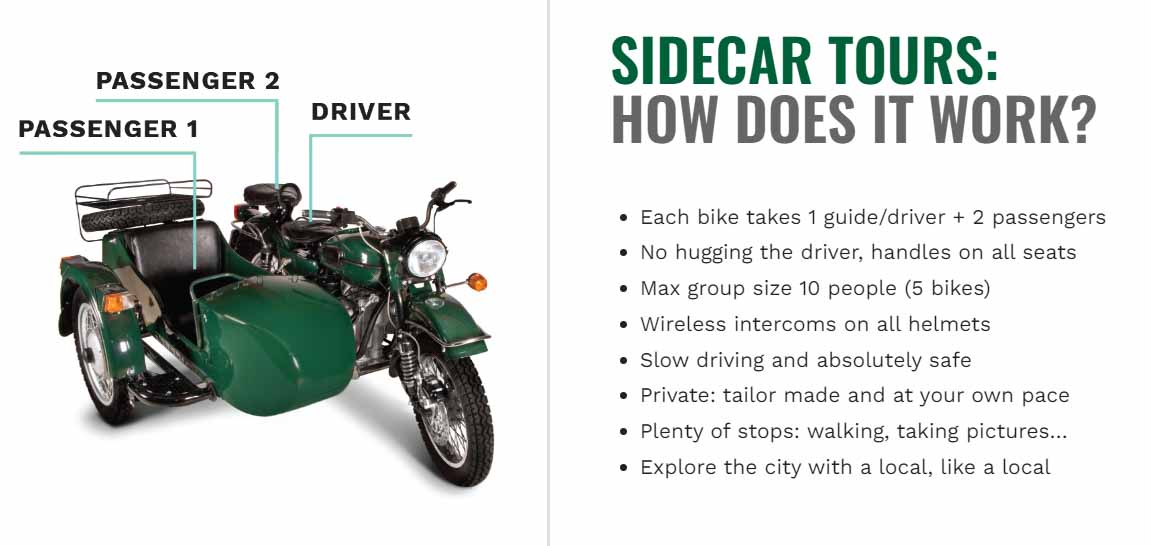
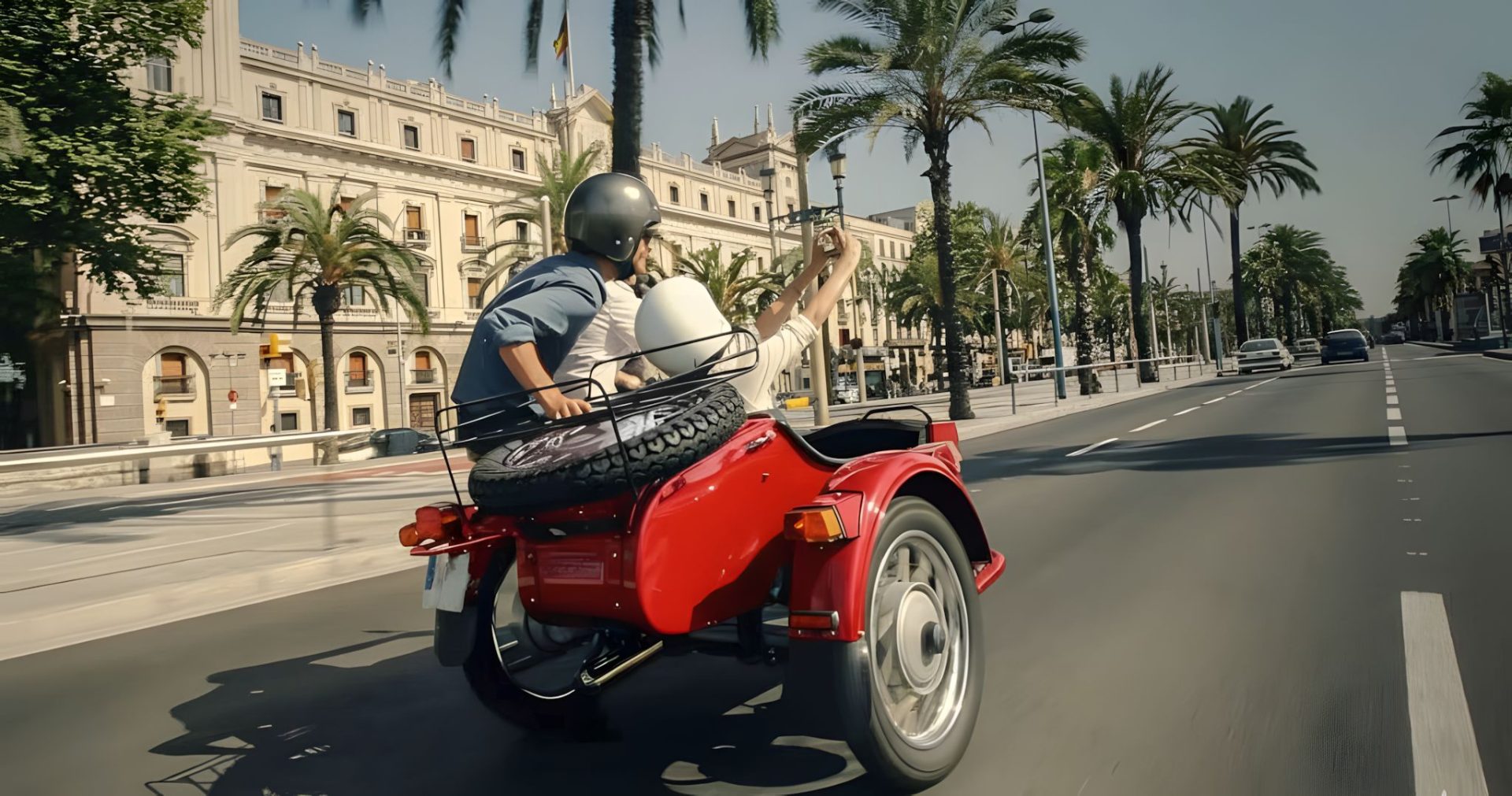
Taking a cruise in the Mediterranean and passing by Barcelona with very short time? Make sure to book the most fun and functional open-air tour of this amazing city by sidecar motorcycle with a private guide. With pick-up at the cruise port or at your hotel in the city. Check the best tours of Barcelona and choose the one that suits your personal interest better.

Read before choosing the best time for a Barcelona cruise day
If you’re cruising to Barcelona, you’re not choosing a single “right” moment. You’re choosing which version of the city you want to meet.
Barcelona works in every season, but it expresses itself differently throughout the year. Some months are outward and luminous, shaped by long days, terraces, and sea air. Others are inward and precise, when museums breathe, neighborhoods reclaim their rhythm, and the city feels unmistakably lived-in rather than performed. There is a lot of special charm on visiting Barcelona off-season too.

Cruise traffic does concentrate between April and November, and that reality matters. It influences how busy streets feel, how fluid transfers are, and how much space you have at landmarks. But for a thoughtful traveler, timing is less about avoiding something and more about aligning expectations.
This guide is written from that perspective. Not to declare one perfect season, but to help you recognize which Barcelona suits you best when stepping ashore with limited time, and how to experience it with clarity, elegance, and intention.
Cruise season in Barcelona: what each month really feels like
Barcelona welcomes ships all year long, but the city’s energy shifts noticeably with the cruise calendar. That is because the Mediterrenean is a “Cruiseship Parking Area” for major operators during winter.
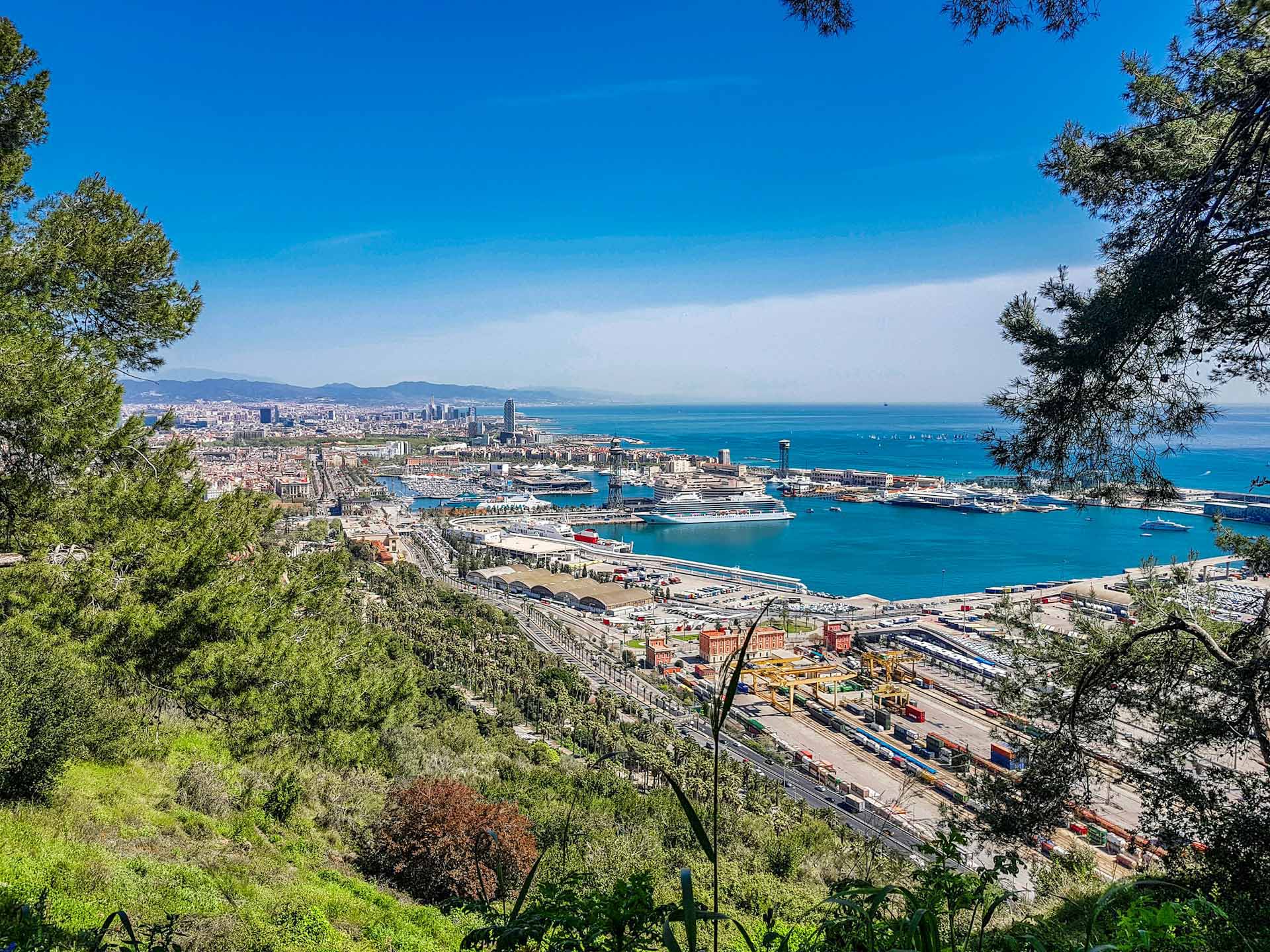
From spring through autumn, the port is at its liveliest. April to November is when most ships arrive, and when Barcelona feels more outward‑facing, animated, and in motion around its waterfront and central neighborhoods.
A simple season comparison for cruise planning
| Season | What it feels like in the city | Best for | Watch-outs |
| November to March | Quiet streets, strong museum days, more local pace | Culture-first shore days | Cooler evenings, shorter daylight |
| April and May | Fresh light, comfortable walking, spring energy | Architecture and viewpoints | Popular weekends and event spikes |
| June to August | Maximum beach mood, long days, high cruise intensity | Summer atmosphere | Heat, queues, louder streets |
| September and October | Warm sea, softer light, autumn cultural calendar | Balanced “best time” months | Some of the year’s rainier weeks |
If you want the most consistent “best time for cruise Barcelona” experience, the city usually performs beautifully in May, early June, late September, and October.
THE BRIGHT INSIGHT
Before you lock your plans, check the Port of Barcelona’s official cruise forecast for your exact week. If multiple ships call the same morning, start your day in a quiet interior neighborhood first, then arrive at the icons slightly later when flows stabilize.
Weather and daylight: planning for comfort on shore
Barcelona’s weather follows clear seasonal shifts, as you would expect in southern Europe rather than a tropical climate, so best time to cruise to Barcelona als depends on weather. Summer is the obvious challenge: heat builds on sunlit stone, and midday walking can feel heavier than you expect. Winter, by contrast, is usually mild to chilly and the shorter daylight compresses your “beautiful hours” for viewpoints and photography.
The under-discussed factor is rain. Barcelona’s wettest stretch typically arrives in early autumn. September and October average about eight rainy days each, often as short, intense bursts rather than all-day gloom. Spring can also surprise you, with around seven rainy days in April, while the driest months are early summer, especially June and July.
A practical approach by season
- Late spring is ideal for walking routes, terraces, and Modernisme façades without fatigue.
- High summer works best with an early start, shaded midday pacing, and late afternoon viewpoints.
- Early autumn offers excellent light for photography and warm evenings; carry a compact rain layer and keep one indoor option in reserve.
- Winter delivers crisp visibility, quieter museums, and the simplest logistics from port to city.
If Modernisme is a priority for you, make sure to follow our Barcelona Travel Guide where you will find outstanding insider tips on local architecture, food, traditions, things to do and much more. And ff you really want to make the most of your time in Barcelona, book your private guided tour by sidecar motorcycle with BrightSide Tours.
Crowds and culture: festivals and the city’s peak moments
Barcelona’s most memorable travel moments often come from its local calendar rather than its headline attractions. These dates bring extraordinary atmosphere and meaning, but they also draw crowds. Knowing when they happen helps you decide whether you want to be inside the celebration or plan around it for a calmer shore day.
- Sant Jordi (23 April) fills La Rambla and Passeig de Gràcia with book and rose stalls to celebrate love and literature.
- Sant Joan (night of June 23) marks the summer solstice with bonfires, fireworks, and seaside gatherings. Expect a festive, exuberant atmosphere that runs late into the night.
- Festes de Gràcia (mid‑August) transform one residential neighborhood into a patchwork of hand‑built street installations. It’s playful, local, and one of the most creative moments of the year.
- La Mercè (24 September) is Barcelona’s “festival of festivals,” a macro‑event of music, street art and popular culture that draws the whole city out.
Cruise volume layers on top of these moments, intensifying movement around the port and key districts.
What to do from the cruise ship: high-impact Barcelona in 6 hours
When you have a finite shore window, Barcelona rewards a “few perfect chapters” approach.
Route 1: Old city to Eixample, on foot and at ease
Begin early in the Gothic Quarter, when the streets are still quiet, then cross into El Born before the city fully wakes. From there, walk through Parc de la Ciutadella toward the Arc de Triomf, gradually opening the city’s scale. Continue along to Passeig de Gràcia for Modernist façades and a sense of Barcelona’s grand axis. Along the way, pause for a relaxed tapas stop to reset the pace, or substitute a single museum visit if that’s your priority. It’s an ambitious but coherent route that rewards curiosity without feeling rushed.
At a glance, this route connects:
- Gothic Quarter – medieval streets and the historic core, best experienced early and on foot
- El Born – craft shops, small plazas, and a lively yet local neighborhood atmosphere
- Parc de la Ciutadella – green space and a pause between the old city and the Eixample
- Arc de Triomf – a ceremonial gateway opening the city’s scale
- Passeig de Gràcia – Barcelona’s grand boulevard of Modernisme and elegant façades
- Casa Milà or Casa Batlló (exteriors) – Gaudí’s most expressive residential works
- The Block of Discord – a unique stretch where rival Modernist architects collide
Route 2: Modernisme from the Rambla to the Sagrada Família, with intention
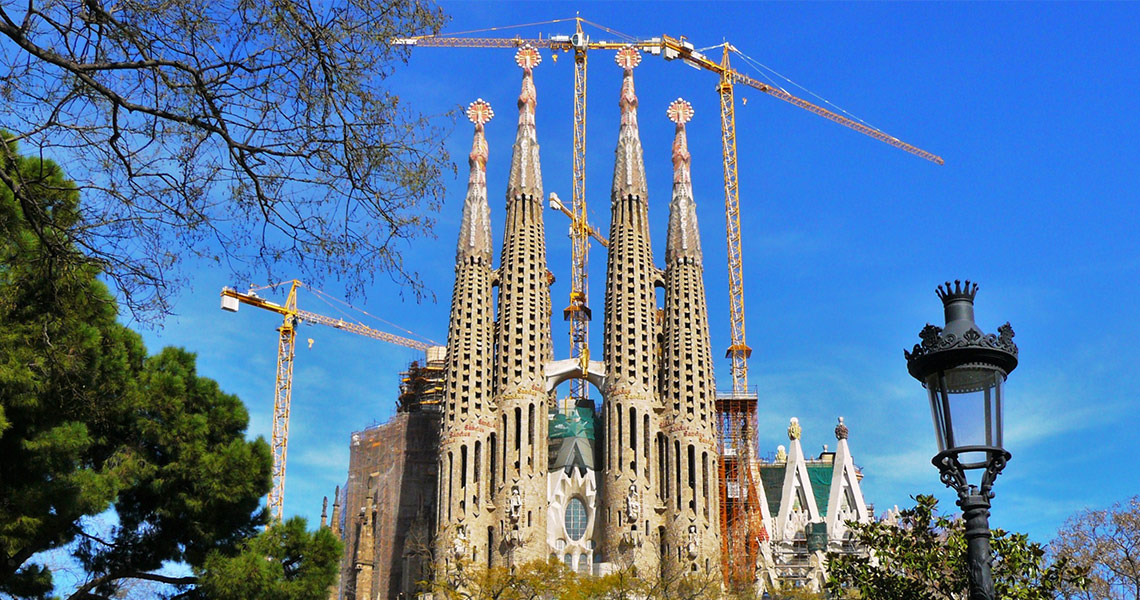
Begin at Palau Güell, Gaudí’s early urban palace just off La Rambla, where ironwork and spatial drama announce the birth of Modernisme. From there, cross into the Gothic Quarter and emerge at Palau de la Música Catalana, a brief but powerful detour that reveals the movement’s decorative exuberance and civic ambition. Continue toward Plaça Catalunya, the hinge between old city and Eixample, then walk north along Passeig de Gràcia, reading the façades as an open‑air architectural gallery. Finish at the Sagrada Família, where Gaudí’s ideas reach their most radical and spiritual expression. It’s a linear route that traces Modernisme’s evolution without backtracking or overload.
At a glance, this route connects:
- Palau Güell – Gaudí’s early masterpiece and a key starting point for understanding his language https://inici.palauguell.cat/en/
- Gothic Quarter (transition) – a brief medieval contrast that sharpens the Modernist break
- Palau de la Música Catalana – exuberant Modernisme at its most civic and decorative
- Plaça Catalunya – the threshold between the old city and the rational Eixample
- Passeig de Gràcia – Barcelona’s grand Modernist boulevard, read façade by façade
- Casa Batlló / Casa Milà (exteriors) – Gaudí’s mature residential works in dialogue
- Sagrada Família (exterior focus) – the culmination of Gaudí’s vision and the city’s defining silhouette https://sagradafamilia.org/
Route 3: Views and Gaudí’s masterpieces, citywide and scenic
This route is about understanding Barcelona’s geography first, then seeing Gaudí’s work in relation to it.
Begin by having a “whole picture” in Montjuïc, the city’s historic hill overlooking the port. Whether you reach the summit by vehicle or via the Montjuïc cable car, the reward is immediate: wide, legible views that explain how the old city, the Eixample grid, and the sea fit together. Circle the hill to pass the MNAC (Museu Nacional d’Art de Catalunya) and Plaça d’Espanya, one of Barcelona’s grandest urban compositions, before descending.
From there, continue toward Gaudí’s major works. Depending on time and energy, you may pass through Passeig de Gràcia to contextualize his residential architecture, before heading on to the Sagrada Família, where Gaudí’s ideas reach their most ambitious scale. Conclude at Park Güell, originally conceived as a residential development and later transformed into a public park. Today it reads as an open‑air artwork, where architecture, landscape, and city views merge.
It’s a broader, less walk‑heavy route that works particularly well when you want perspective, variety, and a strong visual memory of Barcelona. You will need to grab a cab, a bus, the funicular, yet our recommendation will always be a gorgeous sidecar!
At a glance, this route connects:
- Montjuïc viewpoints – panoramic orientation over the port, city, and coastline
- Montjuïc cable car (optional) – a scenic, efficient way to gain elevation
- MNAC (exterior) – monumental architecture and one of the city’s best terraces
- Plaça d’Espanya – a major urban node linking historic and modern Barcelona
- Passeig de Gràcia (optional) – Modernisme façades as urban context
- Sagrada Família (exterior focus) – Gaudí’s most ambitious and symbolic work
- Park Güell – Gaudí’s visionary landscape, now a UNESCO World Heritage Site
THE BRIGHT INSIGHT
Barcelona wakes up later than many port cities. Streets are often calm and almost empty until around 10:00 a.m., with museums and landmarks opening from roughly 9:00 onward. If you enjoy early mornings, arriving first lets you experience outdoor spaces, façades, and viewpoints at their most serene, before the city fully comes alive.
If your time in Barcelona is limited bbut you want to experience as much as possible with the insights of a local private guide, then you should book right now your private Half Day Barcelona City Tour by sidecar motorcycle with a local guide.
Port logistics and pacing: terminals, transfers, and realistic timing
Barcelona has two main cruise docking areas, each with very different access to the city:
- WTCB (World Trade Center Barcelona) is the most central terminal. From here, you are effectively already in the city, with the Gothic Quarter and waterfront within minutes.
- Adossat terminals sit further south along the port. Reaching the city requires a shuttle or taxi transfer, which adds time and makes pacing more important.
To help you plan realistically, here is a simple taxi-time overview under normal traffic conditions:
| From terminal | Barcelona Cathedral (Gothic Quarter) | Sagrada Família | Barceloneta Beach |
| WTCB | 10–15 minutes | 20–25 minutes | 10-15 minutes |
| Adossat terminals | 20–30 minutes | 30–40 minutes | 20–30 minutes |
These estimates assume a direct taxi transfer outside peak congestion. On busy cruise days or during major festivals, adding a buffer of 10–15 minutes is wise, particularly when returning to the ship.
Understanding your terminal in advance allows you to choose routes that feel generous rather than rushed, and to experience Barcelona with a sense of ease rather than clock-watching.
The Best Time to Cruise to Barcelona: Conclusion
Barcelona is not a city with one perfect season. It is a city of distinct moods, each shaped by light, rhythm, and how much space you have to move through it.
Spring and early autumn tend to offer the easiest balance for a cruise stop: comfortable walking, generous daylight, and a city that feels lively without being overwhelming. Summer brings energy, warmth, and long days, but rewards travelers who plan intelligently and pace themselves. Winter, quieter and more introspective, offers rare clarity: calmer streets, easier logistics, and a version of Barcelona that feels resolutely local.
The real key is not choosing the “best” time, but choosing the right approach for the moment you arrive. When timing, routing, and expectations align, even a short shore day can feel expansive rather than compressed.
If you value insight over checklists, BrightSide Tours is to help you discover Barcelona beyond the obvious, guided by those who live it: choose your Barcelona Tour with a private guide and cruise port pick-up now.

FAQs: Best Time to Cruise to Barcelona
What is the best time for a cruise to Barcelona?
May, early June, late September, and October offer mild temperatures, manageable humidity, and comfortable walking conditions, ideal for exploring neighborhoods and outdoor landmarks without the physical strain of peak summer heat.
Is there a true cruise season in Barcelona?
Cruising operates year-round, but April through November sees the highest ship volume, meaning more activity at the port, busier streets, and greater importance placed on timing and routing choices.
How long does it take to reach the city center from the ship?
Depending on whether you dock at WTCB or Adossat terminals, reaching the historic city center typically takes 20–35 minutes, while reaching Sagrada Família can take 30–45 minutes, including shuttle transfers and normal traffic conditions.
What’s the smartest first stop on a cruise day?
Starting in the Gothic Quarter early allows you to experience Barcelona’s historic core before group tours arrive, when streets are calmer and the atmosphere feels more local and unhurried.
Can I see Gaudí highlights in a short stop?
Yes. Focusing on exterior views along Passeig de Gràcia and Sagrada Família provides strong architectural context and visual impact without the time commitment of interior visits.
Is winter cruising to Barcelona worth it?
Winter offers quieter streets, easier logistics, and excellent museum access, along with a more residential rhythm that reveals how the city functions beyond peak tourism seasons. So yes, visiting Barcelona in winter is definitely worth it.
What’s the biggest mistake cruise travelers make?
Trying to cover too much ground often leads to rushed experiences; choosing one coherent route allows deeper understanding, better pacing, and a more memorable connection to the city.