Cadaqués Dalí Tour, Key Takeaways:
- The Dalí Triangle — The triangle Figueres, Portlligat, and Púbol reveal Dalí’s mind, home life, and mythology in one trip.
- Book Portlligat early — House visits run on timed entry; reserve ahead or you’ll miss Dalí’s studio entirely.
- After-hours Cadaqués — Day-trippers leave; by sunset dinners, galleries, and sea air feel calmer, slower, and more local.
- Cap de Creus light — Wind-sculpted rocks and sharp horizons explain Surrealism better than any label or lecture.
- Barcelona pairs beautifully — Start with Modernisme, end with Dalí; the contrast makes both worlds land with more force.
Have specific questions? Jump directly to the FAQ section below for clear, practical answers.

Barcelona is one of Europe’s great cities for design, gastronomy, and architecture — yet some of the most memorable cultural trips often include one carefully chosen escape. A Cadaqués Dalí Tour is a Costa Brava escape to Cadaqués and the Dalí Triangle that gives you exactly that: a day (or overnight) where the landscape becomes theatrical, and Surrealism stops being a gallery label and becomes something you feel in your body — wind, rock, salt, and light.
You’re not coming out here to “tick off” Dalí. Therefore, make sure you come to understand why he became Dalí — why this particular corner of Catalonia produces such intense imagery, such strong identity, such delicious eccentricity. And so do it in a way that suits premium travel: efficient pacing, the right reservations, the right sequence, and time for the moments that actually matter.
The Dalí Triangle: Cadaqués Dalí Tour explained for travelers who value time
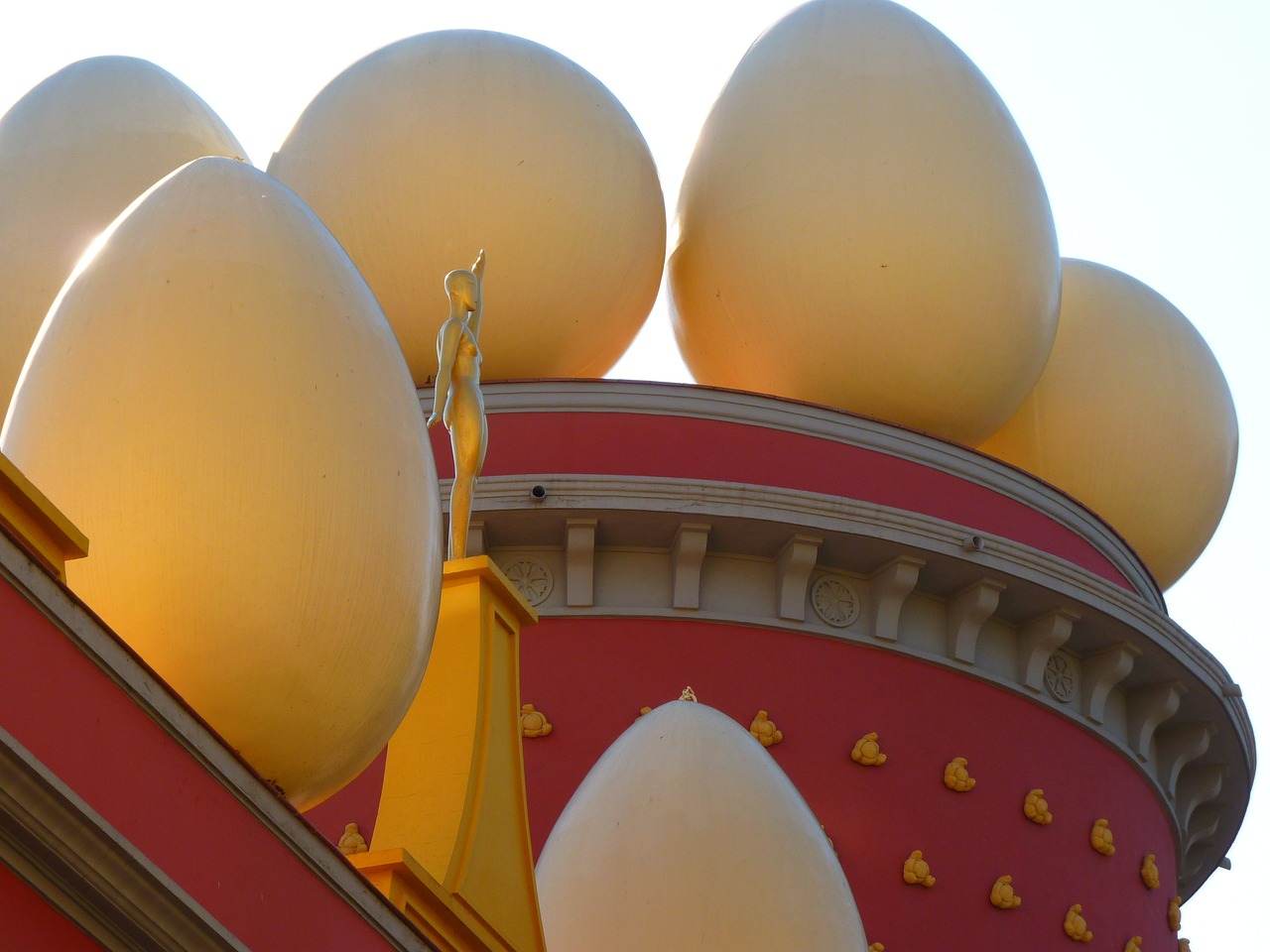
If you want the cleanest narrative arc, the Dalí Triangle is the structure for the best experience of a Cadaqués Dalí Tour from Barcelona. The Fundació Gala–Salvador Dalí manages three essential sites in the Empordà: the Dalí Theatre-Museum in Figueres, the Salvador Dalí House-Museum in Portlligat, and the Gala Dalí Castle in Púbol.
Dalí Theatre-Museum (Figueres): the mind on stage
Figueres isn’t just Dalí’s birthplace — it’s where he built his most audacious “artwork”. Furthermore, it’s a museum conceived and designed by Dalí himself, inaugurated in 1974 on the ruins of the former municipal theatre.
This is the ideal first stop because it will give you the language of Dalí: spectacle, misdirection, humour, and technical brilliance. Think of it as the overture — the place that calibrates your eye before you head to the coast.
Official site: Fundació Gala – Salvador Dalí (Dalí Theatre-Museum tickets/info). https://www.salvador-dali.org/en/visit/dali-theatre-museum/
Salvador Dalí House-Museum (Portlligat): the laboratory of daily life
Portlligat is where Dalí lived and worked for decades, in a home that grew from a fisherman’s hut into a deliberately labyrinthine residence-studio. Rooms, corridors, odd angles, and windows framing the same bay again and again.
For high-end travelers, this is usually the emotional high point: it’s intimate, finite, and you feel his routines. It also requires planning—tickets are timed and capacity is limited.
Official site: Fundació Gala – Salvador Dalí (Salvador Dalí House-Museum). https://www.salvador-dali.org/en/visit/salvador-dali-house-museum/
Gala Dalí Castle (Púbol): the private theatre of love and power
Púbol is the counterpoint to Portlligat. It’s quieter, more melancholic, and fundamentally about Gala — muse, strategist, manager, and the gravitational force in Dalí’s personal mythology. The Foundation describes it as a private refuge designed for Gala, later also Dalí’s last studio and a key to understanding their relationship.
Official site: Fundació Gala – Salvador Dalí (Gala Dalí Castle). https://www.salvador-dali.org/en/visit/gala-dali-castle/
THE BRIGHT INSIGHT
If you can only do two Dalí sites, choose Portlligat + Figueres. House first for intimacy, museum second for scale. Púbol is exquisite—but it lands best when you already understand Gala’s role in the mythology.
Cadaqués: a village that stayed itself (and why that matters)
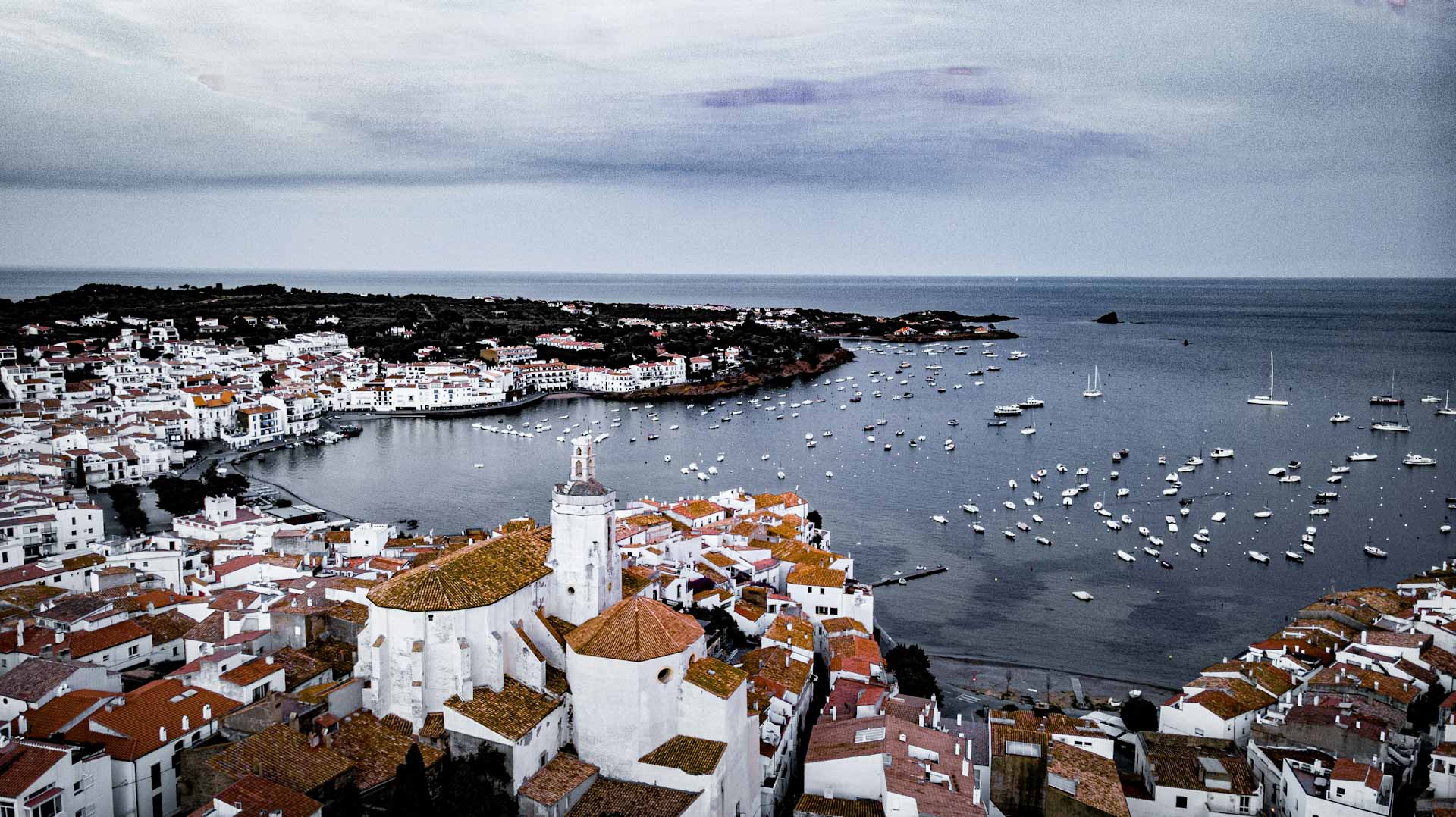
Cadaqués is not the Costa Brava in postcard mode; it’s the Costa Brava with a strong, unmistakable character. The village sits at the very edge of the Cap de Creus peninsula, where the land narrows, the road ends, and the Mediterranean begins to dominate the horizon. Coming here is deliberate — you don’t pass through Cadaqués on the way to somewhere else, and that sense of arrival is part of its identity.
You feel it immediately in the physical fabric: narrow lanes, white façades, shutters in bold colour, and the constant awareness of the sea — always present, even when you’re climbing uphill away from it. You feel it, too, in the social rhythm: lunches that stretch comfortably, a quiet pause in the afternoon, then the village returning to life in the evening with a calmer, more intimate energy.
From a Catalan perspective, Cadaqués belongs firmly to Empordà culture — proud, maritime, hard-working and a little stubborn in the best possible way. That independence is not a pose; it’s the result of geography, history, and a place that has always stood at the edge — looking outward to sea, not inward for approval.
Cadaqués Dalí Tour: Where to eat when you want “refined local,” not tourist theatre
For premium travelers, dining is part of the cultural argument — and Cadaqués is unusually strong for its size.
- Compartir Cadaqués (created by chefs behind one of the most influential kitchens of the last decade) is a polished, modern way to taste the Costa Brava with elegance and ease. Official site: Compartir Cadaqués. (https://www.compartircadaques.com/?lang=en)
- If you want an intentionally “Barcelona-to-Dalí” culinary bridge, one classic move is to book a Dalí-linked table in the city before or after your escape (more on that below).
This approach mirrors the values behind Barcelona’s Michelin Star dining culture, where technique, seasonality, and local sourcing quietly underpin even the most refined tables.
Cap de Creus: the landscape that makes a Cadaqués Dalí Tour feel inevitable
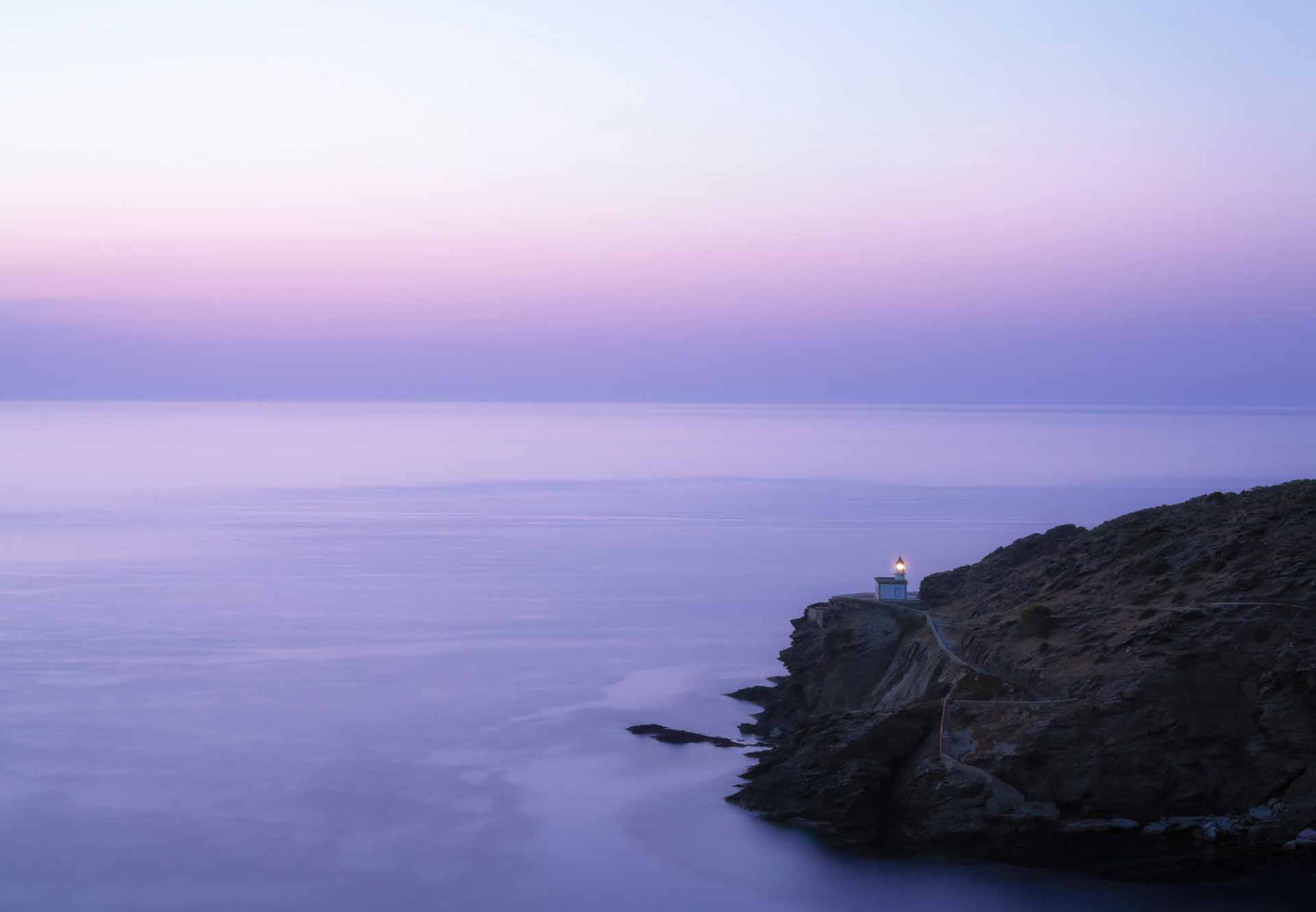
Before you call Dalí “eccentric,” for naming a mountain “The great Masturbator” (https://en.wikipedia.org/wiki/The_Great_Masturbator) spend time in Cap de Creus Natural Park. The geology here doesn’t behave politely: rocks resemble animals, faces, and gestures—especially as light shifts across the day. The Tramuntana wind sharpens everything: the stone, the horizon line, and even your attention.
This is why we often frame a Cadaqués Dalí tour around perception first, interpretation second. Surrealism doesn’t begin in a museum; it begins when your eye tries — and fails — to rationalise what it’s seeing. Cap de Creus does that work naturally. Once you’ve absorbed the landscape, Dalí’s imagery feels less “invented” and far more “decoded.”
Two ideal sequences, depending on your Portlligat time
Not all days should follow the same rhythm. The most elegant pacing depends on your Portlligat House-Museum time slot and the quality of light.
- Morning Portlligat slot:
Cap de Creus → Portlligat → late lunch in Cadaqués
(Landscape primes the eye; the house lands with clarity.)
- Mid-to-late afternoon Portlligat slot:
Portlligat → Cap de Creus at golden hour → dinner in Cadaqués
(Precision first, then release into landscape and evening calm.)
THE BRIGHT INSIGHT
Cap de Creus can shift quickly: bright sun, then tramuntana—the local north wind, famous for its strength and sudden gusts. Even in summer, bring a light layer, especially for lighthouse stops or exposed viewpoints.
Dalí: a character as surreal as his images
Salvador Dalí wasn’t only a Surrealist painter; he was one of his own greatest creations. Long before “personal branding” had a name, Dalí understood that identity could be staged, rehearsed, and exaggerated. Ordinary life — meals, entrances, conversations — became part of the performance.
That’s why the stories that endure aren’t about brushstrokes; they’re about situations like Dalí arriving late, making others wait. Or him turning a dinner into theatre. Also his well known preference of refusing politeness in favour of spectacle. These moments explain his work better than most wall labels, because they reveal a man who refused to separate art from daily life.
In Barcelona, one of the clearest, most tangible examples lives at Via Veneto, a long-established fine-dining room that openly embraces its Dalí connection. The restaurant recalls him arriving with an entourage and transforming dinner into a carefully orchestrated event — equal parts elegance and absurdity. It’s a perfect Dalí story because it’s glamorous, ridiculous, and anchored to a real table you can still sit at today.
Cinema has become another revealing lens. Recent films about Dalí rarely attempt a neat biography; instead, they portray him as a shifting, self-mythologising figure, sometimes even played by multiple actors. The message is clear: one Dalí is never enough. Like his paintings, his public persona was deliberately unstable — provocative, humorous, contradictory, and endlessly rehearsed.
This is why Dalí works so well as a travel narrative. You’re not just visiting places; you’re stepping into scenes.
Year-round cultural timing: what’s always worth a visit for your Cadaqués Dalí Tour
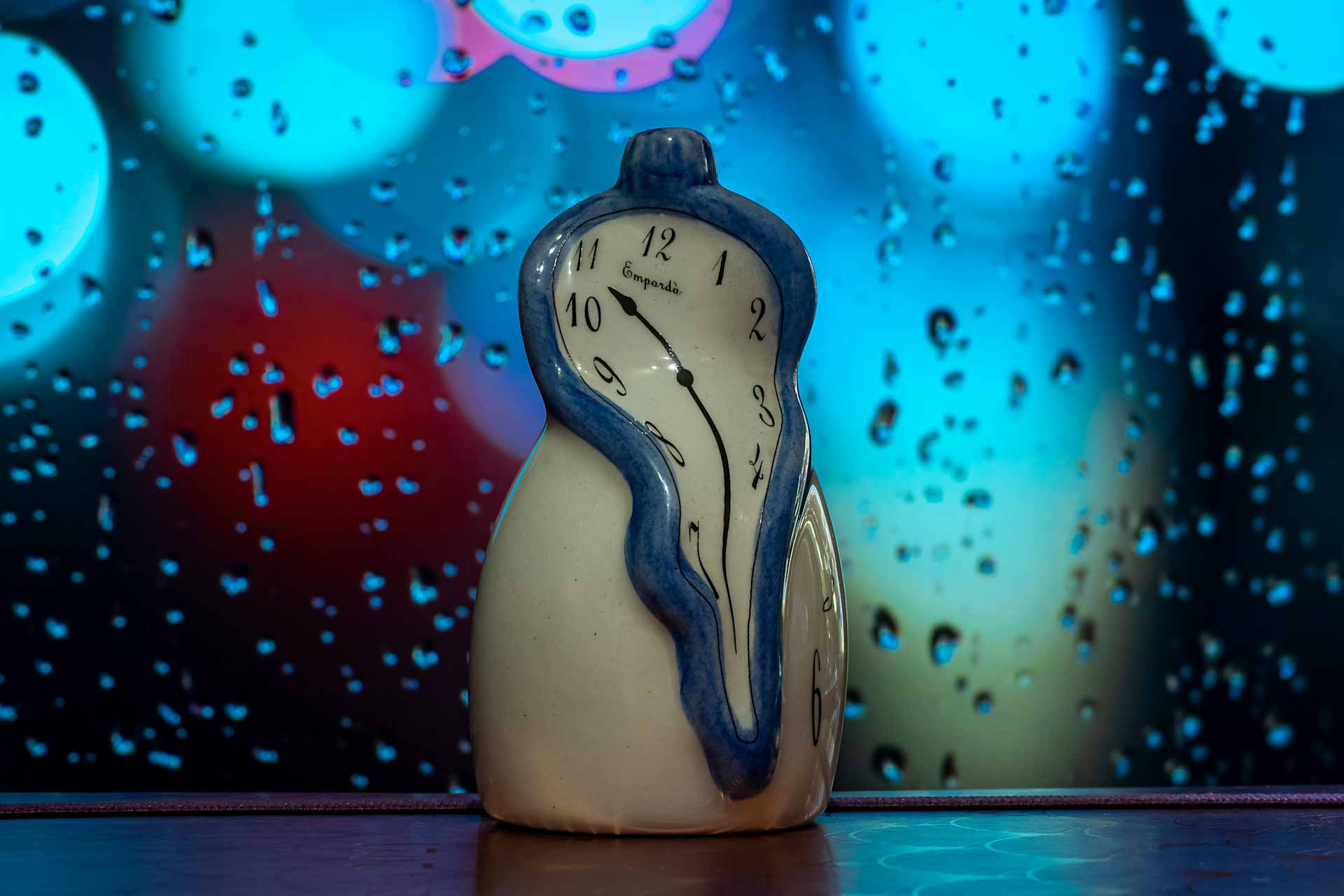
The town of Cadaqués doesn’t depend on a headline exhibition or a one-off cultural event to feel meaningful. Temporary shows and special programs can absolutely enrich a visit — but the village’s cultural identity is anchored in a few reliable, recurring moments that return every year and shape local life regardless of the calendar.
These are the experiences that give Cadaqués its rhythm: maritime traditions, seasonal rituals, and cultural gatherings that residents themselves mark as important. When you align your visit with them, you’re not “catching a spectacle” — you’re stepping into something that would be happening whether you were there or not.
Touring Cadaqués and Dalí: sea-facing traditions that define the village
- Mare de Déu del Carme (16 July): A fishermen’s celebration centred on a maritime procession. Devotional, photogenic, and deeply tied to the town’s relationship with the sea. (https://empordaturisme.com/en/event/festa-del-carme-at-cadaques/)
- Sant Joan (23 June): The nation wide midsummer ritual—bonfires, the Flama del Canigó, and a communal energy that feels both ancient and very present. Cadaqués includes it among its core annual festivities. (https://empordaturisme.com/en/blog/celebrate-a-magical-sant-joan-2025-in-the-alt-emporda-roses-and-cadaques/)
- Festival Internacional de Música de Cadaqués (summer): A long-running international music festival that adds a cultured, evening-focused layer to the village’s summer rhythm without overwhelming it. (https://festivalcadaques.org/)
The real advantage is often choosing the right moment rather than chasing a specific event. Shoulder season keeps the light, softens the crowds, and lets these traditions unfold at their natural pace — when Cadaqués feels least performative and most itself.
That same sensitivity to timing is what leads many of our clients to appreciate how off-season Barcelona reveals the city in a quieter, more nuanced light—and to recognize the value of Cadaqués immediately.
How to build Dalí and Cadaqués into your Barcelona experience
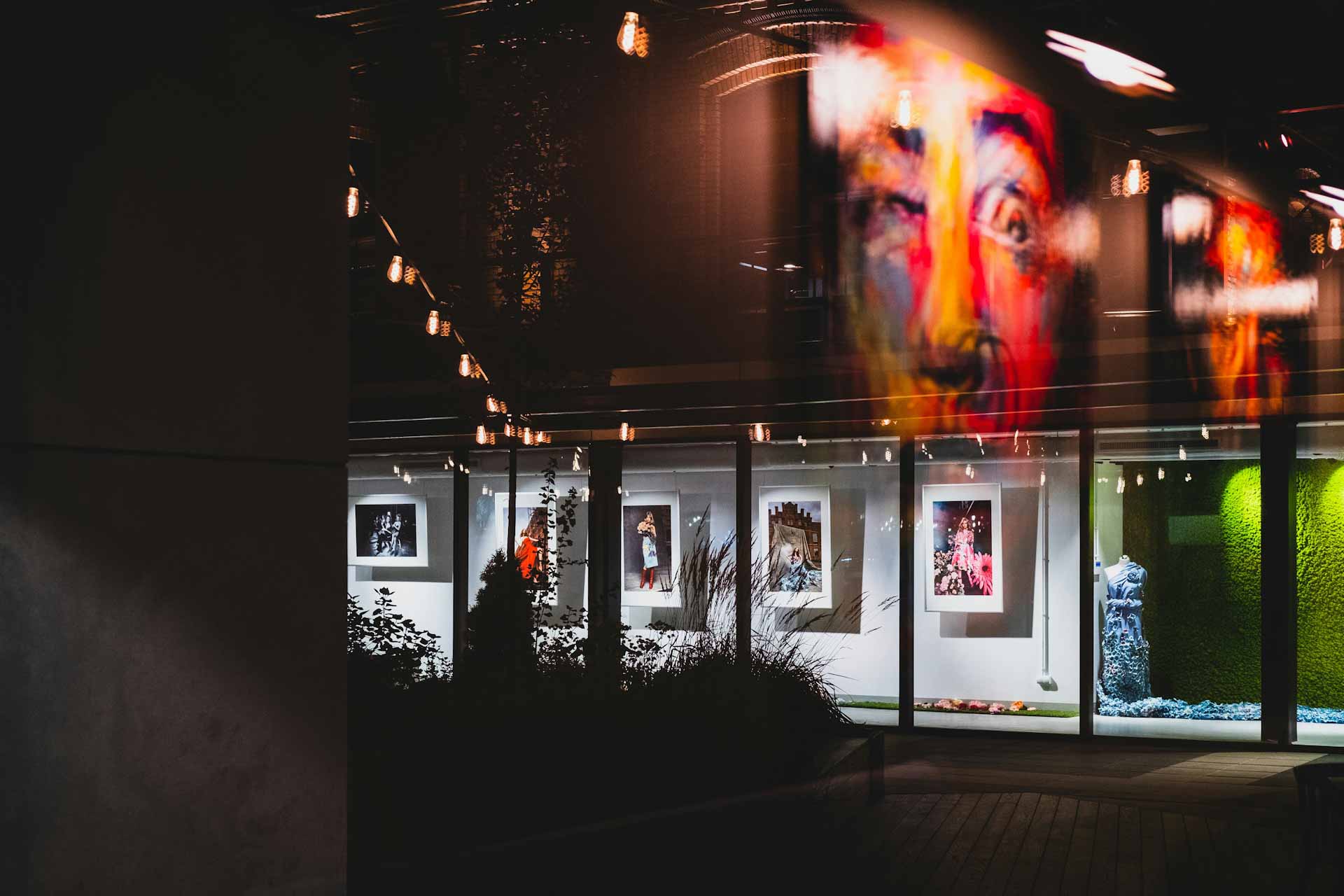
The smoothest logistics: train + car
A classic premium move is to take the high-speed train from Barcelona Sants to Figueres – Vilafant (fast services can be under an hour), then continue by private vehicle toward the coast.
This gentle rhythm lets you savour the coast without feeling rushed—Portlligat’s house, a quick Cap de Creus viewpoint, and a lovely lunch set you up for a deeply satisfying morning.
Day trip vs overnight: a simple decision table
| Style | Best for | What you gain | Watch-outs |
| Day trip | Tight schedules, first-time visitors | Big impact in one day; Barcelona sleep base | You must book Portlligat and keep pacing sharp. |
| Overnight | Travelers who seek atmosphere and depth | Sunset Cadaqués, calm dinner, morning light | Limited hotel inventory in peak dates; plan early. |
Barcelona “bookends” that make the Dalí day feel richer
To make the contrast sing, start (or end) with one Barcelona cultural anchor that reframes Dalí in context:
- MNAC (Museu Nacional d’Art de Catalunya) for the long arc of Catalan art history — perfect before the leap into Surrealism. Official site: MNAC. (https://www.museunacional.cat/en)
- Via Veneto for an old-school, high-service dinner with a Dalí anecdote baked into the room. Official site: Via Veneto. (https://www.viavenetobarcelona.com/en/home)
- If you want “grand hotel Barcelona” as a mood-setter, Hotel El Palace is a classic address for old-world elegance. Official site: Hotel El Palace Barcelona. (https://www.hotelpalacebarcelona.com/)
Begin with a private cultural exploration of Barcelona before your Cadaqués Dalí tour
Many travelers find that Dalí resonates more deeply after a first immersion in Barcelona’s cultural and historical layers. Beginning with a privately guided Barcelona city tour. Its art, ideas, and contradictions gives you the context that makes Cadaqués feel revelatory rather than isolated. If you’d like, share your dates and interests. We’ll help you shape a sequence where Barcelona sets the intellectual frame — and the Dalí Triangle delivers the emotional payoff.
Films to Watch Before or After Your Dalí Visit
At BrightSide Tours, we’re unapologetically fond of movies and Dalí’s craziness too — the theatrics, the contradictions, the deliberate excess. Cinema captures that side of him especially well. These films don’t try to tidy Dalí up or turn him into a polite genius; they lean into the madness, the self-invention, and the way his personality spills far beyond the canvas. Watch one before your visit to loosen your expectations, and one after to savour how reality and myth start blurring together.
Daaaaalí! (2023) https://www.imdb.com/title/tt23476446
A playful, fractured portrait that treats Dalí less as a man and more as a moving target. Multiple viewpoints underline his love of misdirection and the joy he took in never being pinned down.
El caso Ángelus (2022) https://www.imdb.com/title/tt21920392
Part investigation, part obsession, this film explores Dalí’s startling discovery within The Angelus by Jean-François Millet—revealing how interpretation, fixation, and imagination fueled his Surrealist thinking.
Esperando a Dalí (2023) https://www.imdb.com/title/tt7710588
Set in Cadaqués, this film absorbs the village’s rhythm, light, and quiet strangeness. Dalí hovers at the edges, showing how his presence reshaped a place without needing to dominate it.
Miss Dalí (2018) https://www.imdb.com/title/tt6688832
Seen through young, observant eyes, this story offers an intimate angle on Dalí’s orbit. His eccentricity feels less monumental here—and more disruptive, charming, and oddly human.
Dalíland (2022) https://www.imdb.com/title/tt8399658
Focused on Dalí’s later years, this film embraces excess, performance, and decay. After visiting Portlligat, it hits harder—highlighting the tension between ritualised privacy and public spectacle.
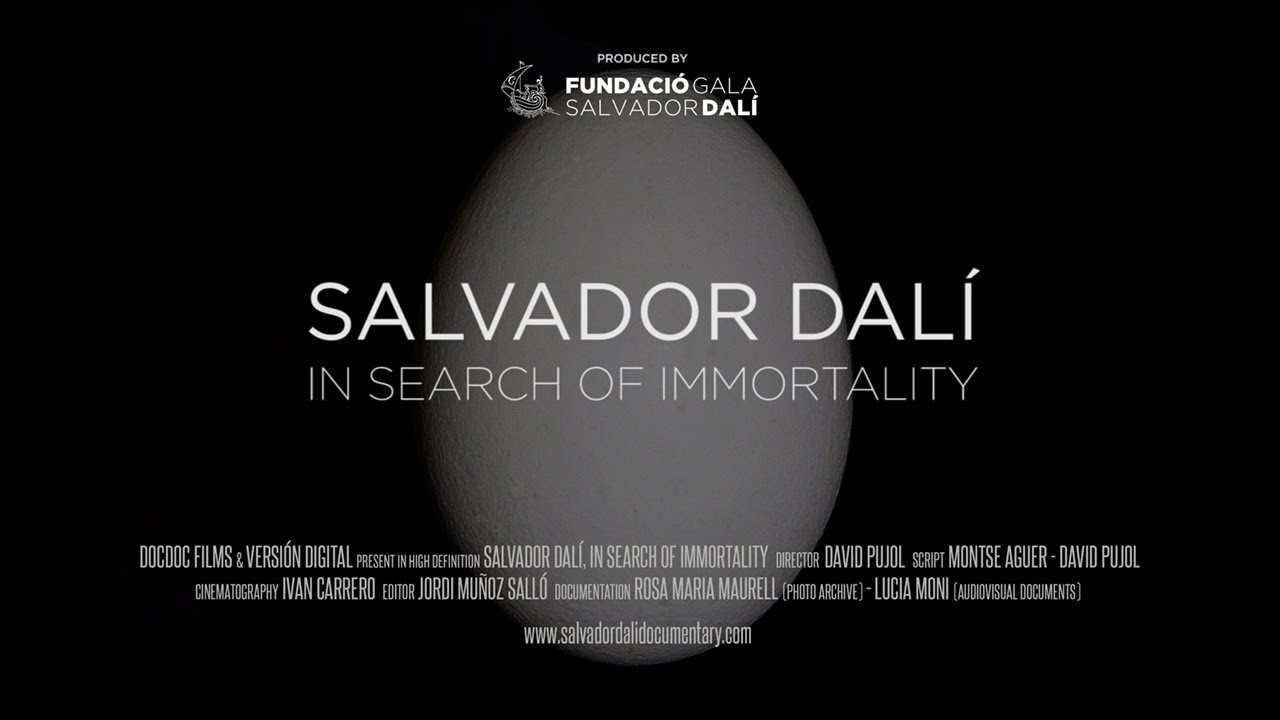
In Search of Immortality: The Life and Death of Salvador Dalí (2018) https://www.imdb.com/title/tt9088588
A reflective documentary that follows Dalí’s final years, examining his obsession with legacy, immortality, and decline—best watched after visiting Portlligat and understanding his private rituals.
Conclusion: Surrealism, made tangible
At times a Cadaqués Dalí Tour experience can feel noisy and superficial — or it can feel quietly revelatory. The difference lies in sequence, context, and attention. When you approach Cadaqués and the Dalí Triangle deliberately, the story unfolds naturally: Barcelona provides the cultural grammar, Figueres sharpens your eye, Portlligat brings intimacy, and Cap de Creus explains everything without words.
Here, Surrealism isn’t an abstract movement — it’s a response to geography, wind, isolation, and a way of living at the edge of the map. The reason why Cadaqués remains powerful is precisely because it hasn’t been smoothed out; it still asks you to arrive with intention, slow down, and observe. Dalí, in turn, feels less like an eccentric genius and more like the inevitable product of this landscape and culture.
That’s the version of Catalonia we care about at BrightSide Tours: layered, precise, and deeply local — experienced with curiosity rather than haste.
Building a Dalí journey that begins in Barcelona
It’s safe to say that a Dalí journey gains depth when it begins in Barcelona. Exploring how Surrealism shaped the city—and how Dalí moved within that world — makes Cadaqués feel like a continuation rather than a detour. If you’d like, we’re happy to help you connect those dots with clarity and ease with our one of a kind Barcelona Full Day Tour by sidecar motorcycle with a private guide.

FAQs: Cadaqués Dalí Tour
What’s the most time-efficient way to reach the Dalí Triangle from Barcelona?
Take the high-speed train to Figueres–Vilafant (as fast as ~57 minutes), then continue by private car to Cadaqués.
Do I need to reserve Portlligat tickets in advance?
Yes—Portlligat uses timed entry with limited capacity. Book ahead online and build your day around that slot.
If I can only do two sites, which should I prioritize?
Choose Portlligat + Figueres: the house gives intimacy; the Theatre-Museum gives scale. Púbol is best as a third, quieter chapter.
What’s the best time of day for Cadaqués to feel local?
Aim to arrive late afternoon and stay for dinner; day-trippers fade, terraces relax, and the village’s rhythm becomes slower.
Which recurring Cadaqués event is most meaningful for cultural travelers?
Mare de Déu del Carme (16 July): a maritime procession and fishermen’s festival—watch from the waterfront for the most authentic atmosphere.
How should I dress for Cap de Creus viewpoints and the lighthouse?
Bring a light layer and closed shoes—tramuntana wind can be sharp, and rocky paths get slippery near coves.
Where should I book a refined lunch in Cadaqués?
Reserve Compartir Cadaqués; order several share plates (“to share, please”) and keep lunch unhurried—this is the village at its best.
Is there a Barcelona dinner that connects naturally to Dalí stories?
Via Veneto leans into its Dalí connection; book a later seating and ask staff for the “Dalí performance” anecdote.