Modernist Architecture in Catalonia, Key Takeaways:
- Modernisme day trips — Outside Barcelona, Modernist architecture feels calmer, deeper, and easier to pace well.
- Vallès Oriental elegance — La Garriga and Granollers offer refined streetscapes for a crisp, walkable half-day.
- Reus for interiors — Casa Navàs delivers a rare, intact Modernist interior experience worth planning around.
- Architecture with tasting — Codorníu pairs Puig i Cadafalch design with a structured cava visit.
- Book for access — Timed entries and limited tours protect your schedule and unlock the best rooms.
Have specific questions? Jump directly to the FAQ section below for clear, practical answers.
Just before starting to dig into the most spectacular Modernist architecture in Catalonia, we should make sure you have discovered the main landmarks by Gaudí, Muntaner or Cadafalch in Barcelona first. For that, no better way than a spectacular private tour by sidecar motorcycle of Barcelona with BrightSide Tours. The best open-air guided experience of the Modernista treasures and much much more. For first timers, our #1 recommendation is our Half Day Barcelona City Tour by Sidecar Motorcycle.

Modernisme is world-famous, but Catalonia’s Modernist architecture beyond Barcelona is where the movement often feels most intimate. In smaller towns, these seemingly Art Nouveau façades aren’t isolated “icons” so much as part of the street’s daily rhythm: a summer villa on the way to the bakery, an industrial hall reborn as a museum, a crypt that quietly reshaped architectural history.
This guide is written for the way you travel: efficient timing, high comfort, and the kind of context that makes a building matter. You’ll find practical visiting notes, official websites for every place we name, and curated pairings that turn “architecture day trip” into a seamless experience.
Which Modernist Architecture in Catalonia Belongs on Your Itinerary
Modernisme wasn’t a Barcelona-only phenomenon. In the late 19th and early 20th centuries, Catalonia’s industrial wealth, summer leisure culture, and civic ambition spread the style across towns connected by rail and commerce. And so Modernist architecture in Catalonia boomed.
What that means for you today:
- A calmer pace, better photos. You can actually stop, look up, and notice craftsmanship without crowds pressing you forward.
- More authentic context. You see how industrialists, merchants, and summer residents used architecture to signal identity and modernity.
- A smarter mix of interiors and exteriors. Some of the most rewarding interior visits sit outside Barcelona, and they fit beautifully into a day trip.
THE BRIGHT INSIGHT
If you’re choosing between “more stops” and “more meaning,” choose meaning. Two well-paced Modernist visits with a proper lunch will give you sharper memories than five rushed façades. Your photos will be better too.
The Essential Near-Barcelona Modernist Architecture Pair: Colònia Güell + Sant Joan Despí
If you want Gaudí-level significance and a quietly exclusive feeling, this is the strongest, most efficient pairing close to Barcelona.
Colònia Güell: Gaudí’s Most Intimate Experiment
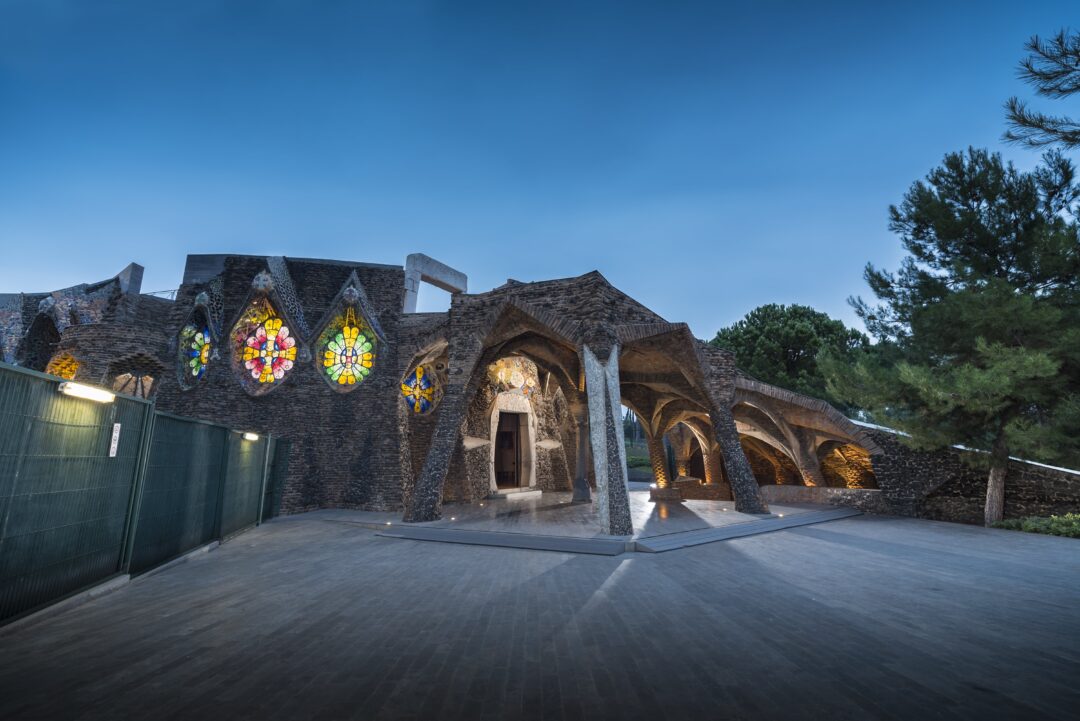
Colònia Güell is a planned industrial colony where Antoni Gaudí was commissioned to build a church. Only the lower chapel, the famous crypt, was completed, but it contains many of the structural ideas he later developed further.
What makes it exceptional:
-
- Human-scale Gaudí. You’re not looking up at a monument; you’re inside a space that feels experimental, intimate, and architectural.
- A full cultural frame. The colony’s streets, workers’ homes, and civic buildings give you the social story around the masterpiece.
How to visit well:
-
- Arrive near opening time for the calmest experience.
- Give yourself 90 minutes for the crypt plus a walk through the colony.
- If you enjoy interpretation, choose a guided visit; otherwise, the audio guide supports a smooth self-paced route
Official website:
https://gaudicoloniaguell.org/en/practical-info/
THE BRIGHT INSIGHT
If you want Colònia Güell to feel like a private discovery, walk the workers’ streets first, then enter the crypt last. The story lands better when you’ve felt the colony’s scale and purpose.
Sant Joan Despí: Jujol at Full Volume (Can Negre)
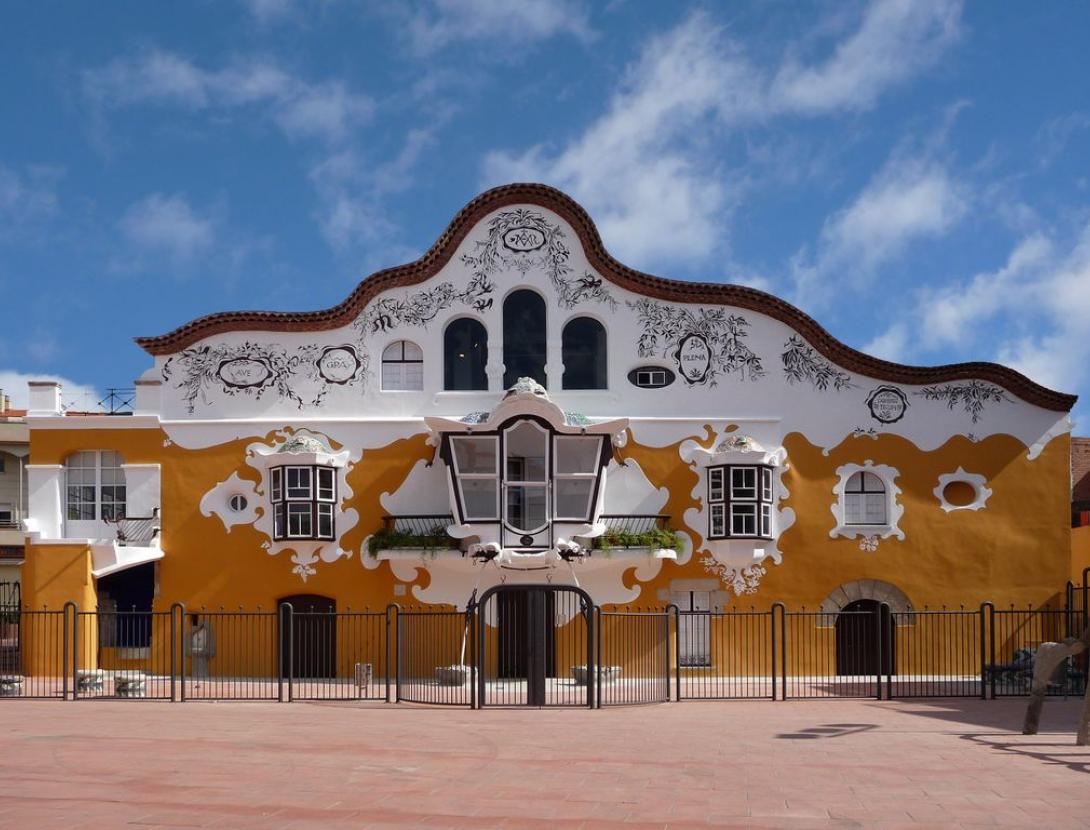
Josep Maria Jujol is often introduced as Gaudí’s collaborator. In Sant Joan Despí, you meet him as a fully independent voice: playful, daring, and deeply Catalan in his humor and ornament.
Your anchor stop is Centre Jujol – Can Negre, a wonderfully eccentric Modernist building you can visit, with local routes that connect other Jujol works nearby.
Why it’s worth your time:
-
- It’s close enough to combine with Colònia Güell without turning your day into a transport marathon.
- The details reward close looking: ceramics, trencadís, hand-written inscriptions, and surprising shapes.
Official Centre Jujol websites:
Vallès Oriental Catalan Modernist Elegance: La Garriga + Granollers (Refined and Walkable)
This is Modernisme as a lived experience: café terraces, summer villas, and a coherent streetscape you can read on foot.
La Garriga: Illa Raspall and Can Raspall
La Garriga’s “Illa Raspall” is one of the most distinctive Modernist ensembles in Catalonia: four villas by Manuel J. Raspall on the same block. Even when interiors are private, the façades, gates, and street rhythm make the visit feel complete.
How to visit well:
-
- Ask for the Modernisme route map or audio guide through the town’s official tourism channels.
- Plan a slow stroll that includes the main avenue and a café pause; this town rewards unhurried looking.
- Use Can Raspall as your practical orientation point when open.
Official websites:
Granollers: A Crisp One-Hour Modernista and Noucentista Route
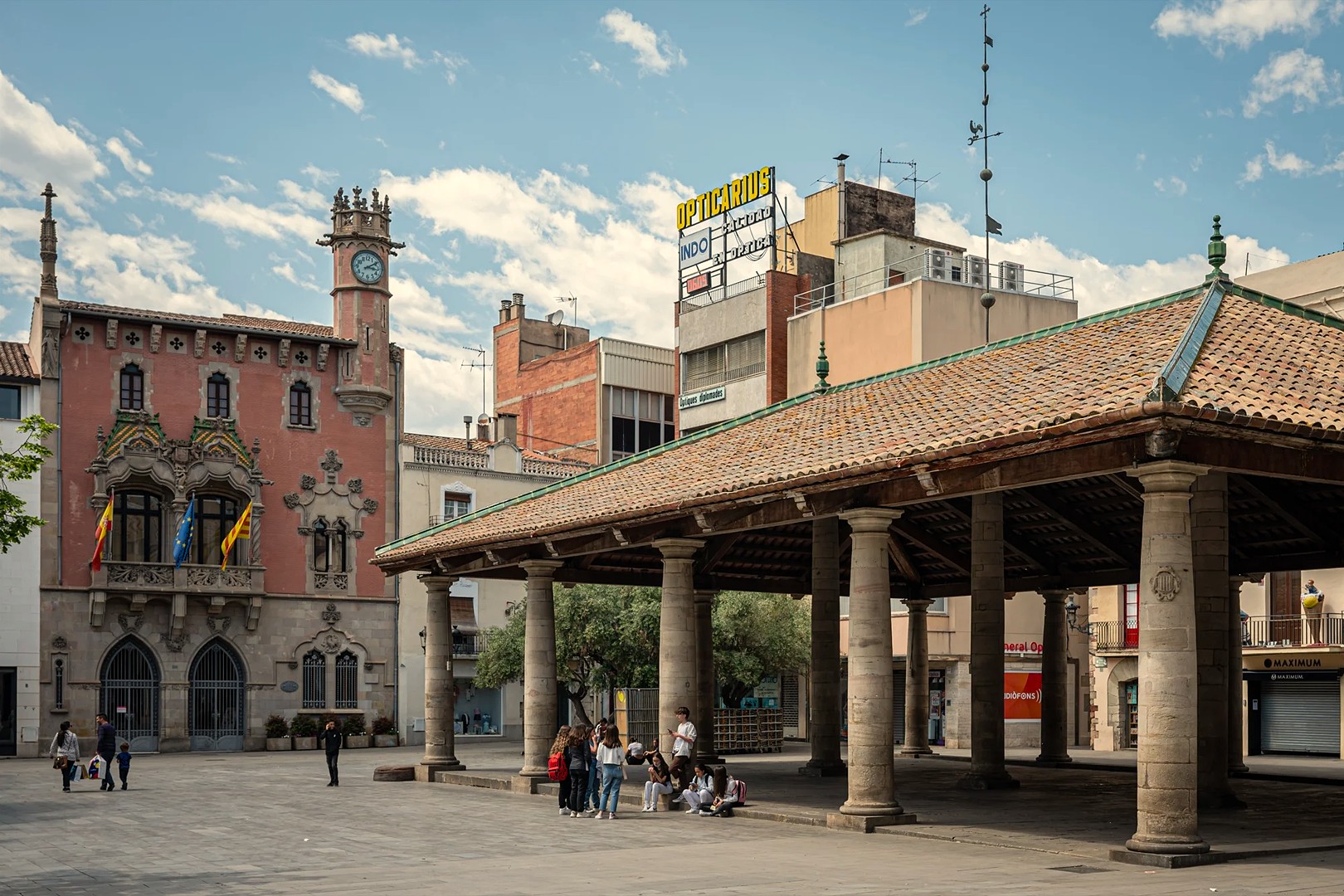
Granollers is ideal if you want a high-quality architectural walk with minimal logistics. The official route is designed to be done in about an hour through the city center.
How to visit well:
-
- Budget 60 to 90 minutes if you want time for photos and details.
- Treat it as an “architecture aperitif” that pairs nicely with La Garriga in a single half-day.
Official website:
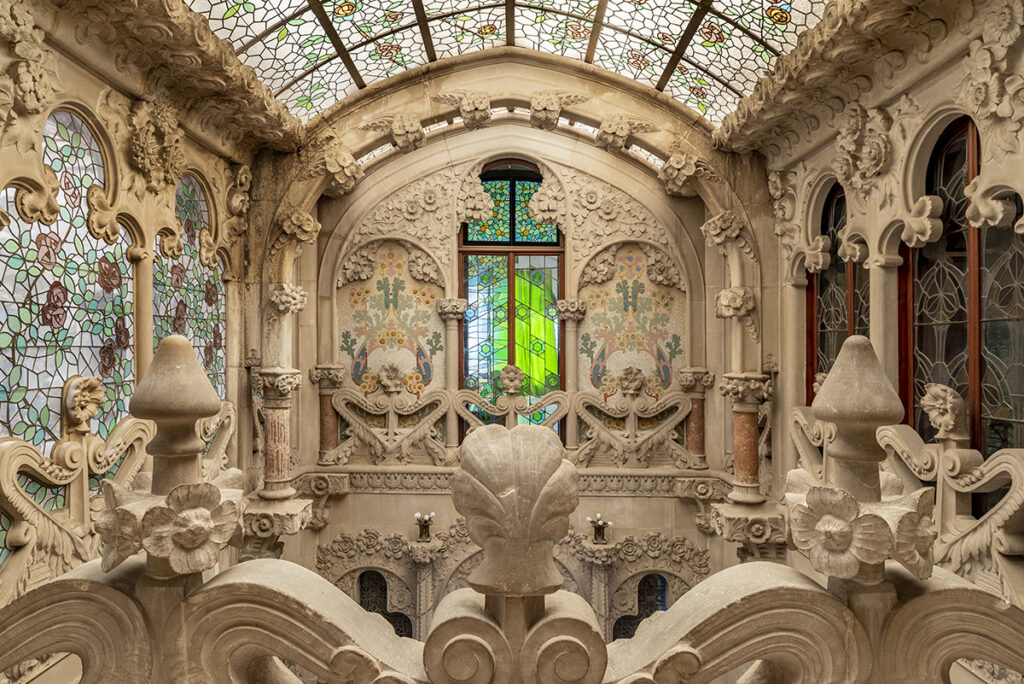
Reus: The Modernist Catalan City That Rivals Barcelona (Especially for Interiors)
If you care about interiors, Reus belongs on your shortlist. It’s a refined, walkable city where Art Nouveau Catalonia feels concentrated and coherent.
Casa Navàs: A Rare, Intact Modernist Interior
Casa Navàs is a landmark precisely because the experience is not just a façade. It offers a guided interior visit that many travelers find genuinely comparable in impact to Barcelona’s most famous houses, with the advantage of calmer pacing.
How to visit well:
-
- Book a guided slot in advance.
- Allow 60 to 75 minutes, then plan a quiet pause on Plaça del Mercadal to let the details settle.
Official website:
Institut Pere Mata: A Different Domènech i Montaner Atmosphere
Institut Pere Mata offers another layer of modernity: architecture tied to public life, health, and the era’s belief in progress.
Official ticketing and visitor information:
THE BRIGHT INSIGHT
In Reus, don’t stack interiors back-to-back without a pause. Choose one “deep interior” visit, then reset with a slow vermut on Plaça del Mercadal. You’ll notice more when your eyes rest.
Terrassa: Industrial Modernisme and the Textile City Story
If your idea of luxury includes substance, Terrassa delivers: Modernisme tied to industry, craftsmanship, and the working history that shaped modern Catalonia.
Masia Freixa and Terrassa’s Modernist Routes
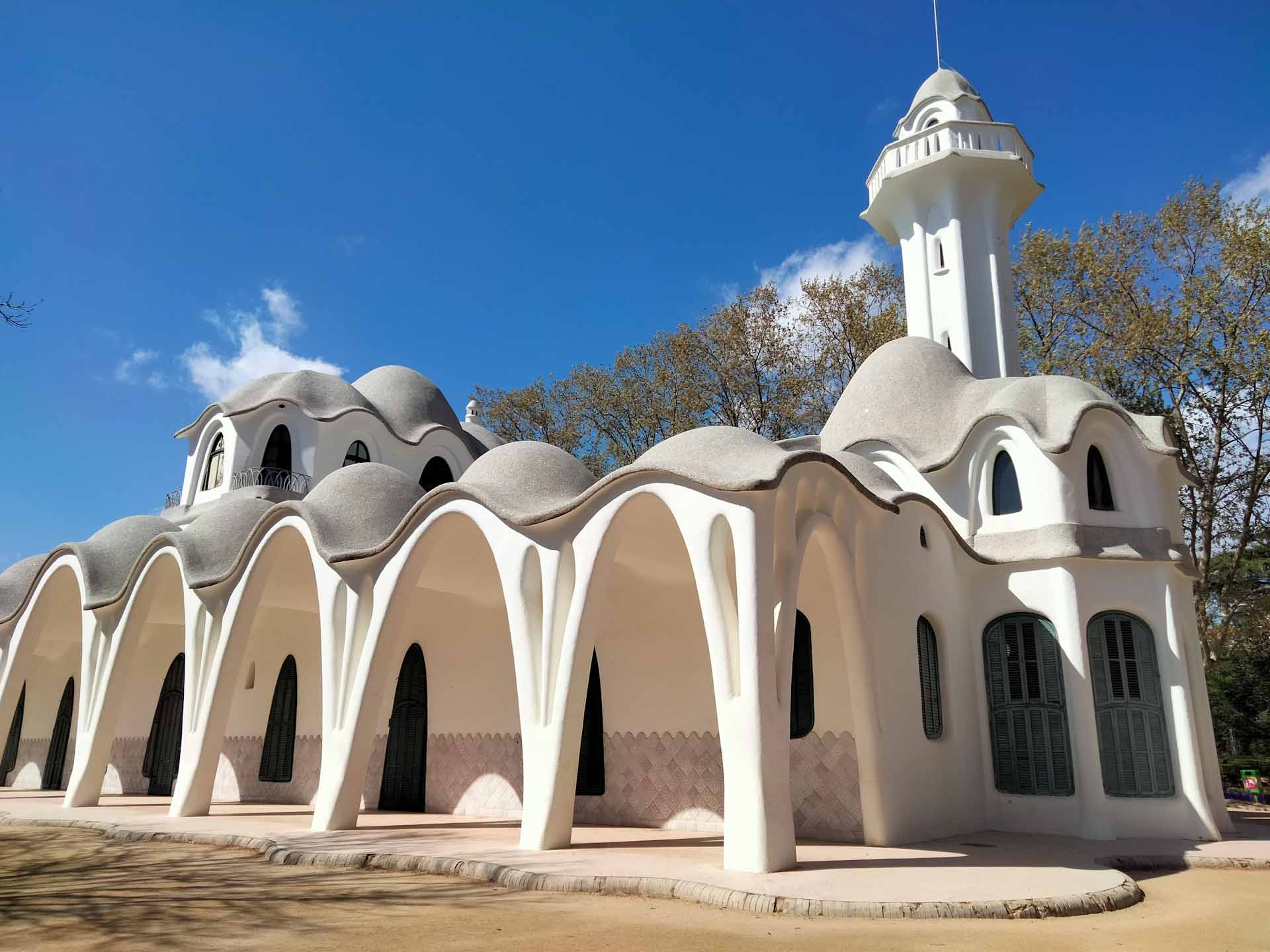
Masia Freixa is Terrassa’s signature Modernist silhouette: parabolic arches, white curves, and a setting that feels calm and spacious.
How to visit well:
-
- Confirm current accessibility if you’re hoping for interior access.
- Even as an exterior stop, it’s rewarding, especially paired with a guided Modernisme route.
Official tourism website:
mNACTEC: Check Status Before You Plan Around It
The Vapor Aymerich, Amat i Jover building is one of Catalonia’s great industrial Modernist works and houses mNACTEC.
Important planning note:
-
- Check the museum’s official page for current opening status and works before building your day around it.
Official website:
Penedès: Modernist Cava at Codorníu (Architecture Plus Tasting)
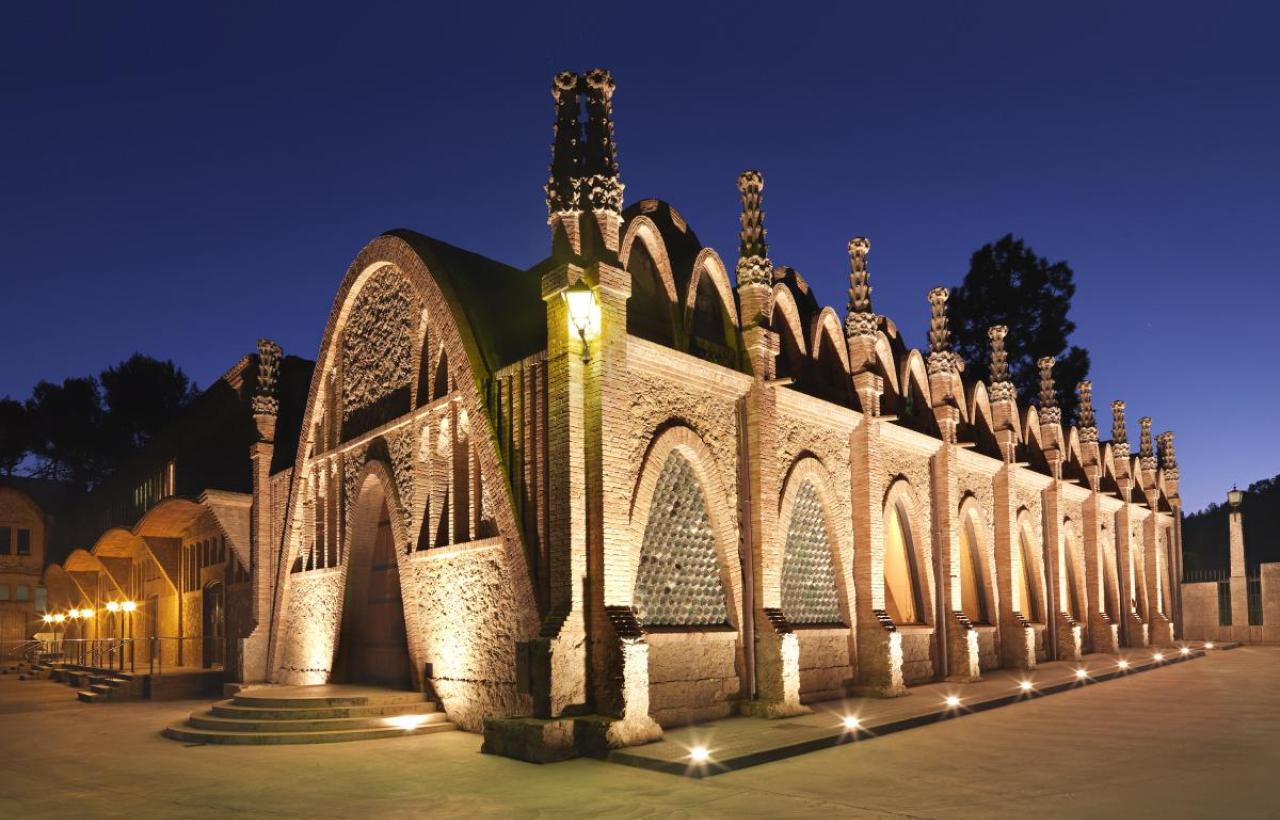
Some of the best Modernisme day trips from Barcelona combine culture with something tactile: landscape, architecture, and a well-curated tasting. Codorníu’s winery buildings, designed by Josep Puig i Cadafalch, turn a cava visit into a design experience with clear timing and premium options.
How to visit well:
- Choose a visit format that matches your pace, then plan a countryside lunch nearby.
- Book ahead, especially on weekends, to keep your schedule clean.
Official website:
Coastal Alternatives: Sitges, Mataró and Canet de Mar
When you want Modernisme with sea air and a different cultural lens, the coast delivers.
Sitges: Cau Ferrat, the Artistic Heart of Modernisme
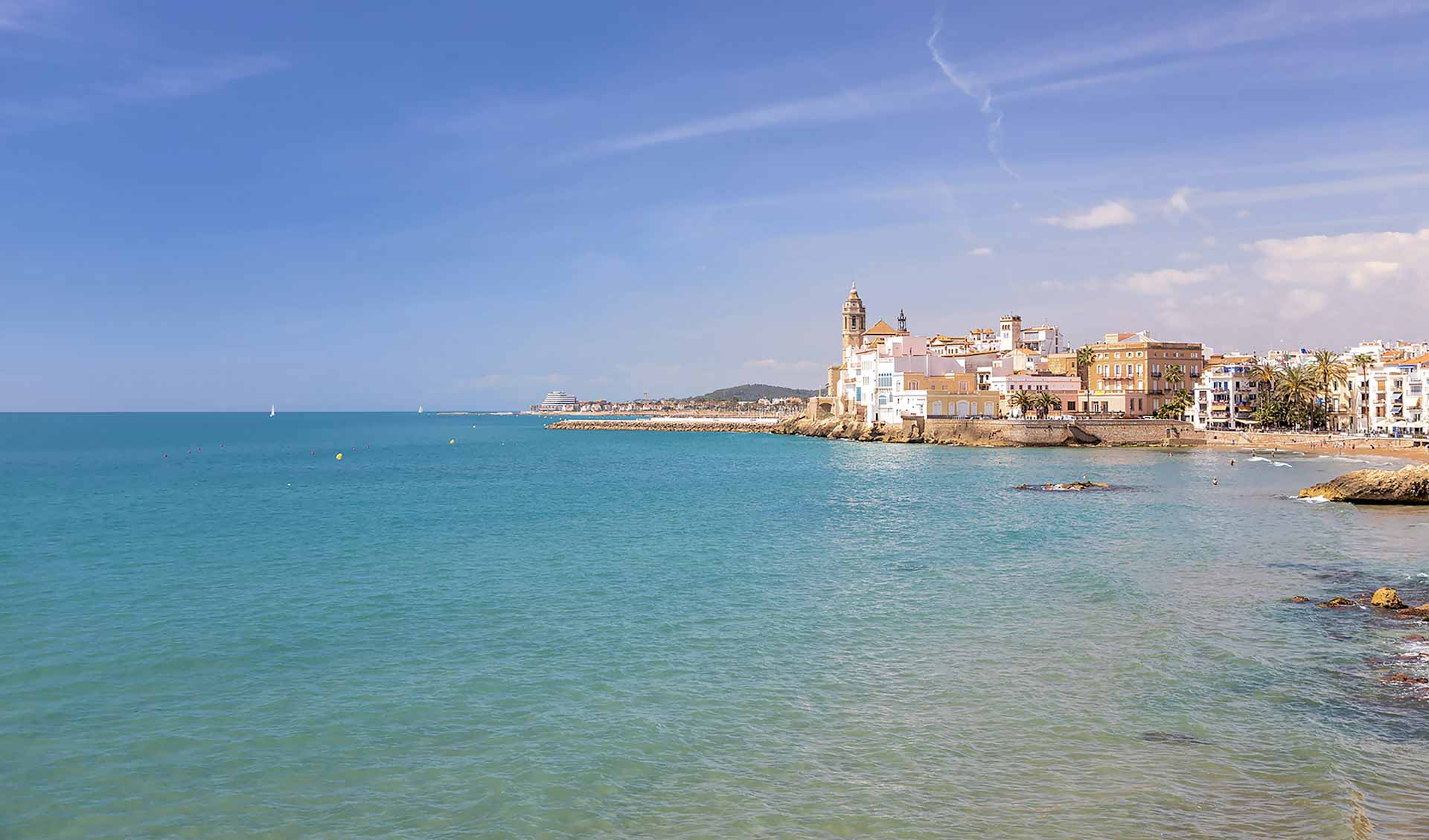
Cau Ferrat was Santiago Rusiñol’s house-studio, an essential node in the movement’s artistic life. It’s a satisfying visit that pairs naturally with a gentle old-town walk.
Official website:
Mataró: Early Gaudí at Nau Gaudí, Plus Puig i Cadafalch
If you want Gaudí in a new key, Mataró is a smart stop. Nau Gaudí is widely presented as one of his earliest surviving works and is typically calm compared to Barcelona’s Gaudí circuit.
Official websites:
Canet de Mar: Domènech i Montaner’s House-Museum
Canet de Mar offers something intimate: the domestic and working world of Lluís Domènech i Montaner.
Official website:
Planning the Right Route, Not the Longest Route
A few cues we use when shaping premium, efficient days:
- Prioritize one anchor interior per day. A deep interior visit sets the tone, then add lighter exteriors.
- Book timed entries early. It protects pacing and access.
- Keep transport elegant. Rail works beautifully for some towns; private car makes others smoother.
Modernist Architecture in Catalonia: Conclusion
Barcelona’s Modernisme is iconic, but Modernist architecture Catalonia beyond the city is where you often connect more deeply: quieter streets, fuller stories, and buildings that still belong to local life.
If you’d like to travel this way, with the right doors opened at the right time and the day shaped around your rhythms, at BrightSide Tours we we have carefully designed bespoke Barcelona tours and experiences that bring together the Modernist architecture and authentic local lifestyle in a effortless and entretaining way. For other amazing ideas and things to do when travelling to Barcelona, visit our Barcelona Travel Guide.
Now, if you are a true architecture enthusiast, we know for sure you will love BrightSide Tours unique open-air experience of Barcelona’s modernist architecture cruising on a sidecar motorcycle with a private guide. You can choose a day time tour, or to make it even more memorable, a Sunset & Night Tour of Barcelona by Sidecar so you can experience the sunset from the hilltop, the beautifully lit up architecture of Gaudí and the amazing fun loving atmosphere of Barcelona.

And if you are not only an architecture enthusiast, but also a food lover, then you should definitly book the Tapas & Sunset Barcelona Foodie Tour by Sidecar.
FAQ’s: Modernist Architecture in Catalonia
How early should you arrive for Colònia Güell to avoid groups?
Aim for opening time; spend 20 minutes walking the colony first, then enter the crypt when it’s quiet.
What’s the smartest near-Barcelona pairing for a half day?
Combine Colònia Güell with Can Negre in Sant Joan Despí; contrasting styles, short transfers, and real interior access.
In La Garriga, what should you look for on Illa Raspall besides façades?
Notice wrought-iron gates, ceramic detail, and how four villas read as one ensemble; pick up the route map.
How long does the Granollers Modernista route take if you don’t rush?
Plan 60 to 90 minutes; the official itinerary is about one hour, plus time for photos.
If you only choose one interior in Reus, which delivers the biggest impact?
Choose Casa Navàs; book a guided visit, allow 60 to 75 minutes, and avoid stacking another interior immediately.
What’s a polished “architecture plus cava” experience that still feels authentic?
Book a Codorníu heritage visit with tasting; choose a time slot that leaves space for a countryside lunch.
Is Terrassa still worth it if a museum schedule changes?
Yes; build the day around Masia Freixa and a modernisme route, then add museums only if confirmed open.
What’s the easiest coastal Modernisme stop with a strong story?
Sitges’ Cau Ferrat; arrive late morning, reserve at least 90 minutes, then walk the old town for context.
Where can you see early Gaudí beyond Barcelona with minimal crowds?
Go to Nau Gaudí in Mataró; check opening hours, then pair it with Casa Coll i Regàs for a full narrative.