


Panellets in Barcelona, Key Takeaways
- A Catalan tradition — Panellets are almond-based sweets enjoyed during Castanyada, especially on October 31 and November 1.
- Classic or creative — Pine nut panellets remain the favourites, alongside almond, coconut, chocolate and contemporary pastry creations.
- Quality explains the price — Almonds, pine nuts and skilled handwork make artisan panellets considerably more expensive than industrial versions.
- Easy to make — Homemade panellets are a popular family activity, especially with children, and require only simple ingredients.
Have specific questions? Jump directly to the FAQ section below for clear, practical answers.
For a all-in-one Barcelona experience that combines delicious food and an immersive Barcelona private tour, you should book the unique Tapas & Sunset Barcelona Foodie Tour by sidecar motorcyle with a local private guide. A memorable combination of an evening city tour through the districts and highlights of Barcelona, a ride up to the hilltop for the best sunset and an outstanding tapas dinner amongst the locals.
Every autumn, Barcelona’s pastry shops fill their windows with panellets, small almond-based sweets that are an essential part of Catalonia’s Castanyada (a traditional celebration marking chestnut season and the autumn harvest), celebrated around October 31 and November 1.
Some are covered in golden pine nuts, others come with coconut, chocolate or coffee. They are delicious, deeply traditional and surprisingly expensive. A single panellet can cost around €3!
So what makes these little sweets so special? Here’s our local guide to their history, varieties, prices, the best places to buy them in Barcelona, and an easy recipe to try at home.
What Are Panellets? A Sweet Tradition with a Mysterious Past
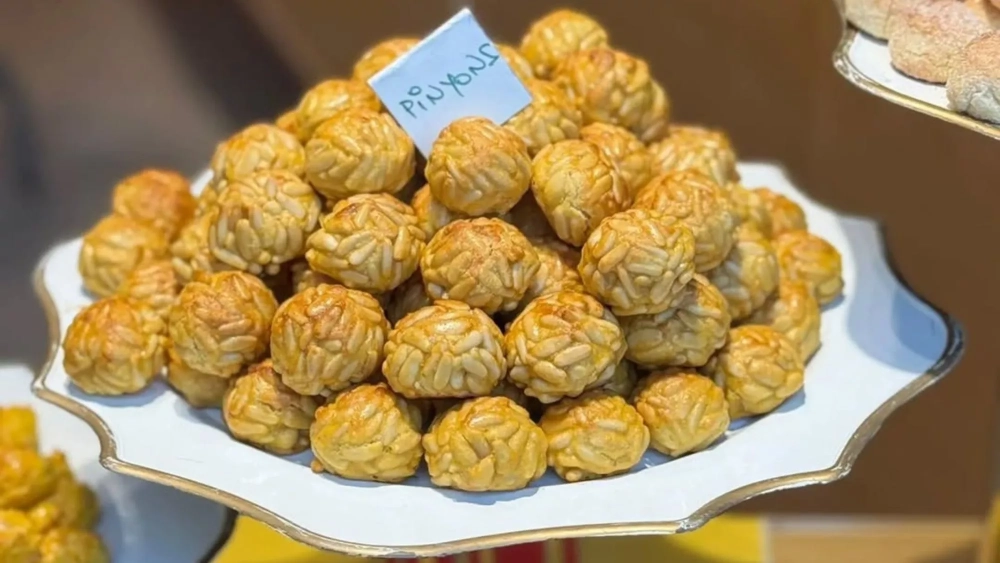
Panellets are small pastries made primarily from massapà, the Catalan version of marzipan, usually combining ground almonds, sugar and egg. Their most recognizable version is rolled in pine nuts and baked until golden. The name comes from the Catalan word pa (bread): panellet literally means “little bread”.
Their precise origins remain uncertain.
One theory links them to ancient offerings of small breads made to honour the dead around All Saints’ Day, sometimes placed on graves or taken to church. Another associates them with the food traditionally shared with church bell ringers, who rang their bells through the night around All Saints’ Day. The use of almonds and sugar also suggests possible influences from medieval Arab confectionery, although this is not a proven origin.
What we do know is that panellets were already sold at popular festivities in Barcelona in the eighteenth century.
Today, they are inseparable from Castanyada, a Catalan celebration involving roasted chestnuts, baked sweet potatoes, family gatherings and remembrance of loved ones. To understand its connection with All Saints’ Day, explore our guide to Barcelona’s cemeteries and Halloween traditions.
And this tradition starts young! In Catalan schools, making panellets is a familiar autumn activity. Children roll the dough, decorate their sweets and often bring them home or share them during a school Castanyada celebration.
For many of us, our first culinary experiences were the panellets we made at school.
Late October is also a wonderful time to experience Barcelona’s quieter neighbourhood traditions. It’s one of the reasons we particularly enjoy visiting Barcelona during the off-season, when local festivities and seasonal food become part of your travel experience.

Traditional vs Modern Panellets in Barcelona: Which Should You Try?
The classics
- Pine nuts (pinyons): The most iconic and usually the most expensive, covered in whole pine nuts.
- Almond (ametlla): Coated with chopped almonds, often with a slightly crunchier texture.
- Coconut (coco): Sweet, aromatic and especially popular with children.
- Coffee (cafè): A traditional alternative with a distinctive coffee flavour.
- Quince (codonyat): Marzipan combined with sweet quince paste.
Modern creations
Barcelona’s innovative pastry chefs now produce panellets inspired by tiramisu, lemon pie, pistachio, raspberry and even Sacher cake.
Our suggestion? Start with a proper pine nut panellet to understand the original, then choose two or three different flavours. Many pastry shops let you buy panellets individually, even just one, so there’s no need to buy a whole box. It’s a lovely way to sample the different varieties.

Why Are Panellets in Barcelona So Expensive? And Are Cheaper Ones Worth Buying?
A good panellet may be small, but its ingredients are anything but inexpensive.
Ground almonds form the main body of the sweet, while high-quality pine nuts are particularly costly. Traditional pastry shops also make them by hand, shaping each piece, carefully attaching the pine nuts and baking in small batches.
According to Time Out Barcelona’s panellet guide, artisan panellets can cost more than €70 per kilogram, with luxury examples reaching approximately €3 per piece.
But there’s another side to the story: potato and sweet potato.
Generations of Catalan families have prepared homemade panellets using boiled potato or sweet potato (moniato) mixed into the almond dough.
Historically, these inexpensive ingredients helped households stretch costly almonds and prepare enough sweets for everyone. It was practical home cooking, particularly valuable when family budgets were limited.
Sweet potato also adds natural sweetness and a softer texture. In fact, many families still prefer their own version with moniato, not simply because it is cheaper, but because it tastes like home.
Homemade panellets with potato or sweet potato should not be confused with cheap industrial panellets. Supermarket versions sold in plastic trays often use less almond, cheaper ingredients and additives to extend shelf life. And because they may spend days or weeks packaged, they can become dry, firm and noticeably less flavourful.
Our advice is simple: if you want to discover what a proper panellet tastes like, skip the supermarket tray and buy a freshly made one from a good local pastry shop. The difference in texture, flavour and freshness is worth the extra cost.
| Artisan panellets | Homemade panellets | Industrial panellets | |
| Ingredients | High almond content, quality nuts | Almonds, sometimes potato or sweet potato | Often less almond and cheaper ingredients |
| Texture | Moist, delicate marzipan | Soft, homemade | Can be dry or firm |
| Price | Higher | Economical to make | Usually cheaper |
| Our recommendation | Best for tasting the traditional pastry-shop version | Excellent family tradition | Not our first choice |
THE BRIGHT INSIGHT
If you’re buying panellets in Barcelona, ask for a small mixed selection rather than choosing by price alone. Try a classic pine nut panellet first. The amount of almond, freshness and generous coating tell you much more about quality than elaborate decoration.
Barcelona’s pastry shops are part of a much wider culinary culture. If you’d like to explore that connection through local markets, neighbourhoods and traditional flavours, our private Barcelona food tour experience by sidecar motorcycle offers a broader introduction.

Where to Buy the Best Panellets in Barcelona
You don’t need to search far. Traditional pastry shops throughout the city prepare panellets in October, but these four are especially worth knowing.
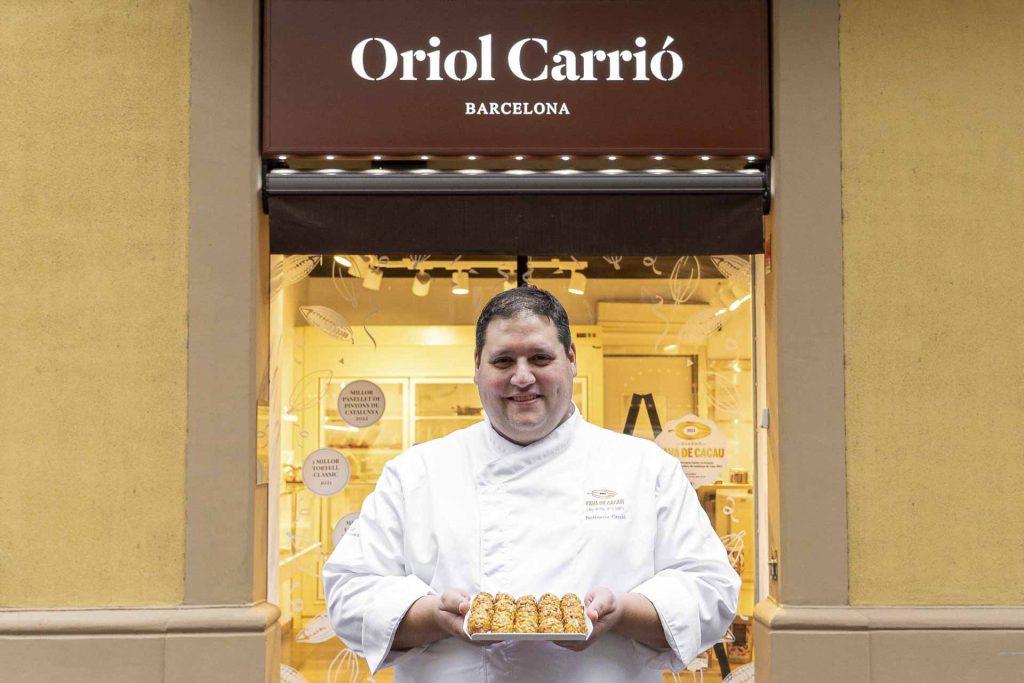
- Pastisseria Oriol Carrió | Gràcia
A family pastry shop combining tradition and modern flavours. Winner of Catalonia’s Best Pine Nut Panellet award in 2026.
Carrer de Bailèn, 216. Metro: Verdaguer.
- Pastisseria Faixat | Eixample
A family business dating back to 1929, recognized for its excellent traditional pastry. Winner of the 2025 Golden Panellet award.
Carrer de Muntaner, 159–161. Metro: Hospital Clínic.
- Pastisseria Hofmann | El Born
One of Barcelona’s leading contemporary pastry shops, known for exceptional technique and creative seasonal flavours. Worth visiting for much more than panellets.
Carrer dels Flassaders, 44. Metro: Jaume I.
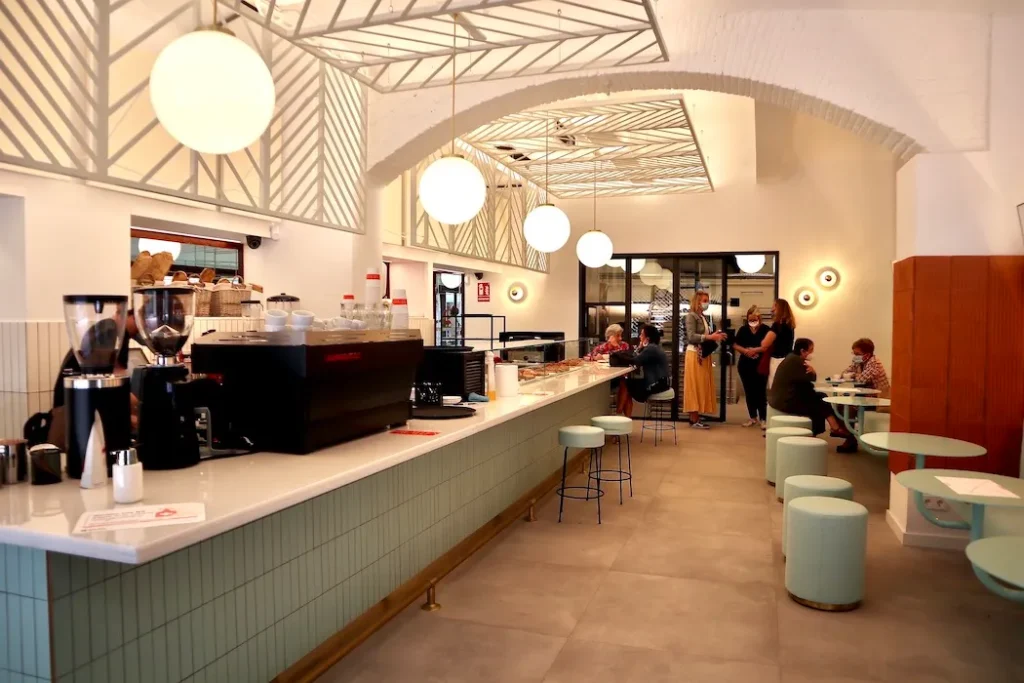
- Brunells | El Born
A historic bakery founded in 1852 and revived with a contemporary approach. Expect traditional varieties alongside more innovative creations.
Carrer de la Princesa, 22. Metro: Jaume I.
Other traditional favourites (really) worth knowing:
- Farga | Eixample & Gràcia &Sant Gervasi: A Barcelona pastry institution dating back to 1957, known for its traditional confectionery. Most centric: Avinguda Diagonal, 391. Metro: Diagonal.
- Pastisseria Canal | Sant Gervasi: An established Barcelona pastry name, known for classic craftsmanship and seasonal panellets. Carrer de Muntaner, 566.
- Forn Jaume Montserrat | Gràcia: A traditional neighbourhood bakery worth discovering for its pastries and local character. Rambla de Prat. Metro: Fontana.
- Pastisseria Montserrat | Gràcia: A traditional neighbourhood pastry shop with a beautiful, almost museum-like historic storefront, worth visiting. Carrer del Torrent de l’Olla, 81. Metro: Fontana.
- Forn de Sant Jaume | Eixample: A classic Barcelona bakery and pastry shop with a charming traditional interior. Worth visiting for its pastries and old-fashioned atmosphere. Rambla de Catalunya, 50. Close to Casa Batlló. Metro: Passeig de Gràcia.
- Pastisseria Mauri | Eixample: A Barcelona institution since 1929, known for its elegant historic interior, excellent traditional pastries and seasonal panellets. Rambla de Catalunya, 102. Close to La Pedrera. Metro: Diagonal.
THE BRIGHT INSIGHT
Don’t limit yourself to famous names. If you come across an old-fashioned neighbourhood bakery with wooden counters, traditional displays and fresh pastries, step inside. These places are often worth discovering, especially around Castanyada. Ask if their panellets are made in-house.
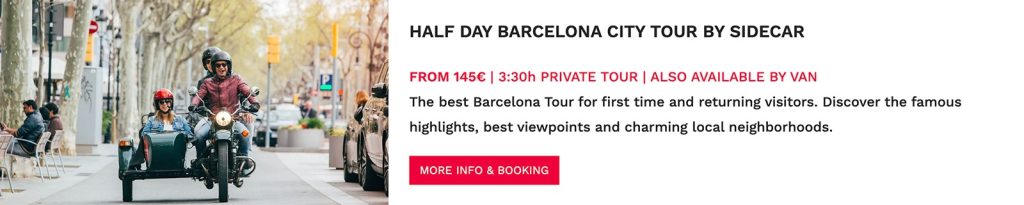
If you want to get close and intimate with Barcelona, our top recommendation is the Half Day City Tour by Sidecar Motorcycle with a local guide. Slowly zipping across town on a beautiful sidecar you will discover the local districts, the best kept secrets and the famous landmarks in the most personal way possible.
When to buy: The best selection is usually available during the final two weeks of October. For a particular flavour or a large box, order ahead. Remember that November 1 is a public holiday.
Bring the Tradition Home: Easy Panellets Recipe for Children
You don’t need professional pastry skills to make panellets. This simple version, inspired by traditional family recipes, uses a little cooked sweet potato to make the dough easier to shape.
Ingredients (approximately 18–20 panellets)
- 250 g (about 2½ cups) ground almonds
- 200 g (1 cup) sugar
- 100 g (about ½ cup) cooked, mashed sweet potato
- Finely grated zest of ½ lemon
- Pine nuts, shredded coconut or chopped almonds for decorating
- 1 beaten egg for coating and brushing
Preparation
- Mix the cooled sweet potato, ground almonds, sugar and lemon zest into a firm dough. Refrigerate for 30 minutes.
- Divide into small balls, approximately walnut-sized.
- Roll them in coconut, chopped almonds or pine nuts. Use a little beaten egg to help the nuts stick.
- Place on a lined baking tray and lightly brush the nut-covered panellets with beaten egg.
- Bake at 200°C (390°F) for approximately 8–10 minutes, until lightly golden. Allow to cool before eating.
Children can help with the mixing, rolling and decorating, while adults handle the oven.
For another child-friendly approach, see the panellets recipe developed by Fundació Alícia for Sant Joan de Déu.
A Little Taste of Catalonia to Take Home
Panellets are more than a seasonal sweet. They connect family kitchens, neighbourhood bakeries and childhood memories with one of Catalonia’s most enduring autumn traditions.
Whether you spend €3 on an award-winning pine nut panellet or make a batch with your children, you are enjoying the same tradition in two different ways.
And if discovering these local details is what makes Barcelona interesting to you, that’s exactly the perspective we share at BrightSide Tours Barcelona, helping you get to know the city beyond its most famous landmarks. Since it’s halloween time, what better time for a Barcelona Sunset & Night Tour by Sidecar Motorcycle with a local guide?

Frequently Asked Questions About Panellets in Barcelona
When can I buy panellets in Barcelona?
Most pastry shops sell them in October, especially during the final two weeks. The main celebrations are October 31 and November 1.
Can I buy just one panellet?
Yes, many pastry shops sell individual pieces. Ask for un panellet de pinyons to try the classic.
How much does a good panellet cost?
Premium pieces can approach €3 each. Prices depend on size, ingredients and bakery; check the current price before ordering.
Which panellet should I try first?
Choose pine nuts (pinyons). They are the classic reference, followed by almond, coconut or coffee for comparison.
Are panellets gluten-free?
Traditional recipes normally contain no wheat flour, but cross-contamination is possible. Always confirm ingredients and handling with the bakery.
Are panellets available all year?
Usually not. October is the main season, although individual bakeries may offer them at other times. Check before travelling.
Can I take panellets home on a flight?
Generally, solid pastries can travel in hand luggage, subject to your destination’s food import rules. Pack them securely and check restrictions. Remember to avoid temptation along the way 😉


