


Traditional Catalan Recipes, Key Takeaways:
- Start with simple Catalan recipes: Pa amb tomàquet, empedrat and mel i mató are friendly first steps.
- Understand the tradition: Catalan cooking has its own habits, from sofregit and picada to mar i muntanya.
- Choose your challenge: Try oven-roasted vegetables today, then make fricandó or escudella when you have more time.
- Shop flexibly: Good local ingredients and thoughtful substitutions matter more than recreating a Barcelona shopping basket.
Have specific questions? Jump directly to the FAQ section below for clear, practical answers.
Looking for a local Catalan recipe that unveils the history, architecture, culture and real Barcelona lifestyle? The Half Day Barcelona City Tour by Sidecar Motorcycle is just right for you. A great mix of cultural highlights, historical background, local secrets and amazing viewpoints in just 3.30h with a local guide cruising Barcelona on a beautiful sidecar motorcycle.

The 20 Catalan Recipes at a Glance
Some of the best souvenirs from Barcelona never make it into your suitcase. They turn up later, when you rub a ripe tomato over warm bread, put a dish of roasted peppers on the table, or hear a spoon crack through caramelised sugar.
From the quick pleasures of tomato bread and roasted vegetables to slow-cooked Sunday lunches, these 20 Catalan dishes give you a way to keep that connection alive at home. Some need little more than good olive oil and ripe produce; others reward a leisurely afternoon. Six come with practical step-by-step Catalan recipes below, and the rest point you towards recipes in English.
If you would rather taste these flavours in Barcelona first, start with our Barcelona 24h guide for food lovers.
Easy Catalan recipes and Barcelona favourites
- Pa amb tomàquet: tomato bread
- Truita de patates: potato tortilla
- Botifarra amb mongetes (“amb seques”: sausage with white beans
- Empedrat: white bean and salt cod salad
Vegetables, sauces and small dishes
- Romesco: roasted tomato, pepper and nut sauce
- Escalivada: roasted vegetables
- Espinacs a la catalana: spinach with raisins and pine nuts
- Carxofes al forn: baked artichokes
- Samfaina: slow-cooked vegetables
- Trinxat de la Cerdanya: cabbage, potato and pork belly
Catalan rice and fish dishes
- Arròs caldós: brothy rice
- Arròs de mar i muntanya: rice with meat and seafood
- Suquet de peix: Catalan fish stew
Slow-cooked Catalan meat dishes
- Canelons: Catalan-style cannelloni
- Escudella i carn d’olla: broth, meat and vegetables
- Pollastre amb prunes i pinyons: chicken with prunes and pine nuts
- Fricandó: thinly sliced beef with mushrooms
- Cap i pota: a traditional offal casserole
Traditional Catalan desserts
- Crema catalana: citrus custard with caramelised sugar
- Mel i mató: fresh cheese with honey

Spanish or Catalan Recipes? A quick note before we cook
Catalan recipes cooking is part of Spain’s wonderfully varied food culture, but it has its own habits. Olive oil, slow-cooked sofregit and nutty picades give many savoury dishes their depth; botifarra and fuet are more telling local sausages than chorizo. We also have a talent for putting whatever the land and sea offer to good use, often in the same dish. If you spot snails on a menu, you’ve met that adventurous (and survival) side of our cooking.
French influence is easy to see in Barcelona’s pastry shops and their buttery croissants, though that doesn’t make butter the foundation of our home cooking. And the potato tortilla (truita in catalan)? We make it constantly, but it belongs to a broader Spanish tradition. Think of it as a welcome guest who knows where everything is kept.
Paella was born in Valencia, and we cook it often in Catalonia too. But give us a good arròs caldós (brothy rice) or a mar i muntanya rice combining ingredients from sea and land, and we’ll be just as happy. For a wonderfully messy introduction to how we eat together, discover what a Catalan calçotada is all about.
A few habits from our Catalan kitchens
You don’t need an earthenware cassola to make these dishes. A sturdy casserole or deep frying pan will do. What matters more is giving each stage its time.
A sofregit is the slowly cooked base, often onion, tomato and garlic, that builds flavour before the other ingredients arrive. A picada comes later: a pounded mixture that might include nuts, garlic, parsley or bread, depending on the dish. It gives the sauce depth and helps bring it together. We’ll admit that, with the pace of modern life, we sometimes skip it for lack of time, even though it’s one of the keys to the recipe. Our fricandó below makes room for both.
This is also cooking that makes good use of what you have. Leftover vegetables can become another meal; a modest cut of meat can become the dish everyone wants seconds of. The pleasure is often in that transformation.
THE BRIGHT INSIGHT
For a all-in-one Barcelona experience, you should book the unique Tapas & Sunset Barcelona Foodie Tour by sidecar motorcyle with a local private guide. A memorable combination of an evening city tour through the districts and highlights of Barcelona, a ride up to the hilltop for the best sunset and an outstanding Catalan recipes tapas dinner amongst the locals.

Easy Catalan recipes and Barcelona favourites
You do not need a professional kitchen for these familiar favourites. They are the Catalan recipes you can make for a casual lunch, a bar-style snack or something fresh beside it.
1. Pa amb tomàquet: tomato bread
Bread (whatever you have!), ripe tomato, olive oil and salt: our most useful kitchen lesson is also one of our shortest. It’s a lovely way to use up stale bread, too. Rub the tomato directly into the bread, then add olive oil and salt. Which goes first, the salt or the oil? In Catalonia, that can turn into a lively debate around the table, complete with surprisingly elaborate scientific theories.
Children are excellent at the rubbing and drizzling. Make it with our compact recipe below.

2. Truita de patates: potato tortilla
Soft potatoes and beaten eggs become a thick, golden omelette, with onion if that is your household’s preference. It is thoroughly at home in Barcelona’s bars, despite its broader Spanish identity. The main challenge is turning it over. We even have a special ceramic plate for the job in traditional Catalan pottery: the tombatruites, literally an “omelette turner”. For your first attempt, choose a manageable pan. Follow Spanish Sabores’ potato tortilla recipe.
Recipe reference: View the English-language recipe
3. Botifarra amb mongetes (amb seques): sausage with white beans
A fresh pork sausage, grilled or pan-fried, meets cooked white beans, often finished with garlic and parsley. Use cannellini or other small white beans; if you cannot find fresh Catalan botifarra, choose a mild fresh pork sausage. Smoked chorizo would change the character considerably. Try this English recipe for botifarra with white beans.
TIP: If you don’t like beans, try to just cut the botifarra and make an omelette!
Recipe reference: View the English-language recipe
4. Empedrat: white bean and salt cod salad
Cooked beans, desalted salt cod, tomato, onion and olives make a bright, satisfying salad; hard-boiled egg is a familiar addition. It is an excellent warm-weather lunch, with plenty of mixing for young helpers. If prepared salt cod is difficult to source, canned tuna is a recognised variation. Use Gastroteca’s empedrat recipe.
Recipe reference: View the English-language recipe
THE BRIGHT INSIGHT
Empedrat is perfect for a picnic. Give it some time in the fridge, then pack it in a lunchbox for a fresh, healthy & satisfying summer lunch. It’s the sort of homemade “tupper” we love taking with us.

Vegetables, sauces and small dishes on Catalan Recipes
This is where vegetables and pantry staples earn their place at the centre of the table. Combine a few for a meal that invites everyone to help themselves.
5. Romesco: roasted tomato, pepper and nut sauce
Roasted tomato, garlic, almonds or hazelnuts, dried ñora peppers, olive oil and vinegar are blended into a textured sauce. It is wonderful with grilled vegetables and fish. If you need a more accessible adaptation, roasted red peppers can stand in for the dried peppers, though the flavour changes. Follow Brindisa’s traditional romesco recipe.
Recipe reference: View the English-language recipe
6. Escalivada: roasted vegetables
Aubergines (eggplants), red peppers and onions are roasted until yielding, then peeled, pulled into strips and dressed with olive oil. Embers give the traditional version its smoky depth, but an ordinary oven does the job at home. If it’s already on for another dish, pop the vegetables in alongside it and make the most of the heat. Children can arrange the cooled strips on a platter. Make escalivada with Spain’s official tourism recipe.
Recipe reference: View the English-language recipe
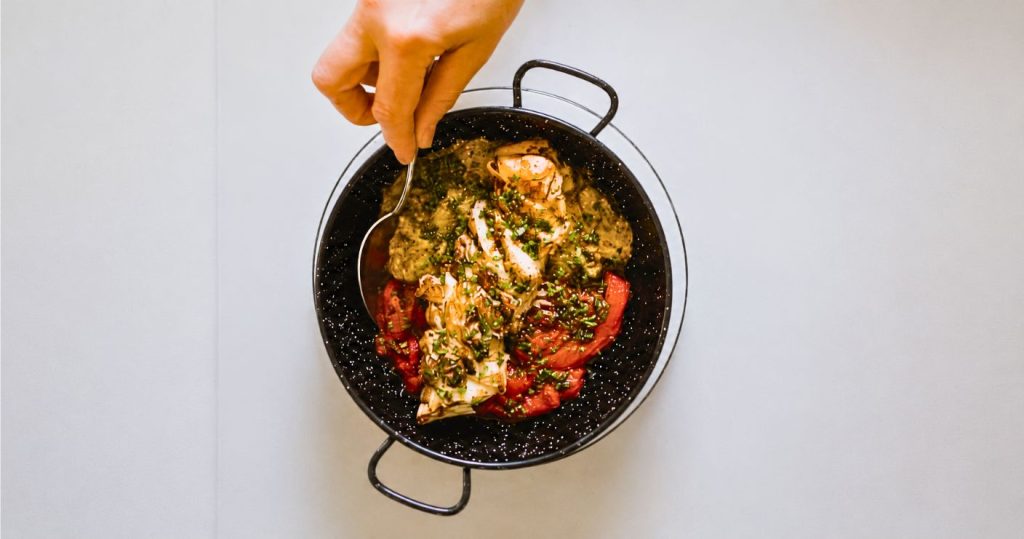
7. Espinacs a la catalana: spinach with raisins and pine nuts
Wilted spinach is sautéed with garlic, sweet raisins and pine nuts: a small dish with plenty of contrast. Serve it beside fish or spoon it onto toast. Frozen spinach works if thoroughly drained, and chopped almonds are a practical alternative to pine nuts. A little trick from one of our BrightSide guides’ grandmothers: gently melt an anchovy fillet into the olive oil before adding the garlic. It adds a lovely savoury depth. See our step-by-step spinach recipe below.
8. Carxofes al forn: baked artichokes
Whole artichokes are baked with olive oil and seasoning until their hearts soften. Eating them leaf by leaf is part of the pleasure: scrape the tender flesh from each leaf, then remove the fuzzy choke before enjoying the heart. Our compact recipe below includes garlic and a practical way to keep them moist in the oven. Some of our finest artichokes are grown in nearby El Prat, and we’re rather proud of them.
THE BRIGHT INSIGHT
Give your oven a second job with these Catalan recipes. If it’s already on for another dish at a suitable temperature, add the artichokes alongside it. Check tenderness rather than watching the clock alone; large artichokes need considerably longer than small ones.
9. Samfaina: slow-cooked vegetables
Aubergine, peppers, onion and tomato cook down into a soft, generous mixture; courgette often joins them. Unlike escalivada, this is cooked in a pan rather than roasted and arranged in strips. Make enough to accompany fish one day and spoon beside an egg the next. Follow Consum’s samfaina recipe in English.
Recipe reference: View the English-language recipe

10. Trinxat de la Cerdanya: cabbage, potato and pork belly
Boiled cabbage and potatoes are drained, roughly crushed and fried, traditionally with fatty pork belly. The name tells you something about the texture: this is mashed together, not blended smooth. Letting it catch a little in the pan adds a lovely browned edge. Use Gastroteca’s traditional trinxat recipe.
Recipe reference: View the English-language recipe
A local tip: on a Barcelona trip, visit the markets with an appetite, not just a shopping list. Our guide to Barcelona for food lovers explains why.
Catalan rice and fish dishes
Rice and fish Catalan recipes show our fondness for good stock, patient cooking and the ingredients of both coast and countryside.
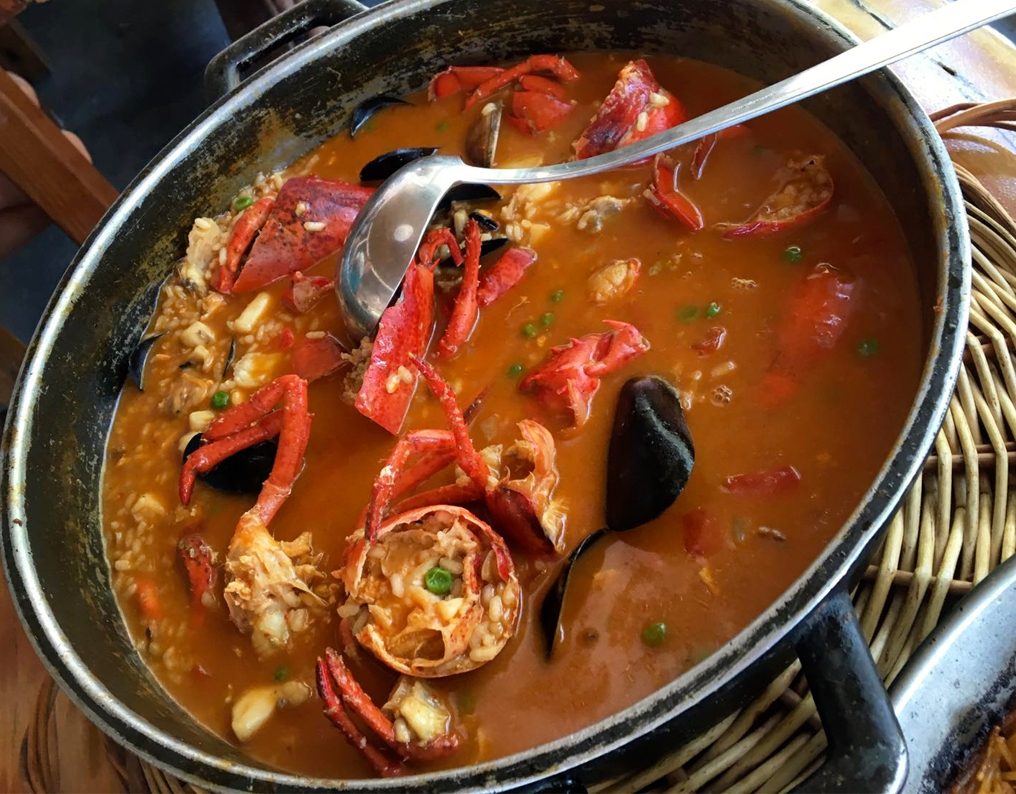
11. Arròs caldós: brothy rice
Rice cooks in a generous, flavourful broth, usually built on a sofregit of slowly cooked onion and tomato. Seafood versions make an especially memorable lunch. Gastroteca’s lobster recipe is an ambitious starting point, with other crustaceans suggested as variations. Serve promptly so the rice stays pleasantly brothy. Explore this lobster arròs caldós recipe.
Recipe reference: View the English-language recipe
THE BRIGHT INSIGHT
Build the menu around the rice, rather than expecting it to wait for you. Set the table and finish the cold dishes first. Brothy rice keeps absorbing liquid after cooking, so its best moment is also your cue to sit down.
12. Arròs de mar i muntanya: rice with meat and seafood
Pork ribs or sausage might share the pan with cuttlefish, prawns or mussels, all connected by rice, stock and sofregit. Mar i muntanya means “sea and mountain”, and the combination feels entirely natural to us. Cherries in June’s mixed meat-and-seafood rice recipe includes useful adaptations for cooking in the US.
Recipe reference: View the English-language recipe
13. Suquet de peix: Catalan fish stew
Fish, potatoes and a flavourful broth become a satisfying casserole, often finished with a picada. Choose the fish around what your fishmonger has, keeping its cooking time in mind. Spanish Sabores’ suquet de peix recipe offers a home version with monkfish and shellfish.
Recipe reference: View the English-language recipe
THE BRIGHT INSIGHT
Decide what can wait before you start cooking your Catalan recipes. Set out plates, finish the salad and call everyone to the table before the rice is done. Your carefully cooked arròs deserves an audience, rather than another twenty minutes while someone finishes getting ready.
Slow-cooked Catalan meat dishes
These are the Catalan recipes for the days when cooking is part of the plan. Some are festive; others are simply best shared around a full table.
14. Canelons: Catalan-style cannelloni
Pasta sheets are rolled around a meat filling, covered with béchamel and baked until golden. They’re a delicious example of how we turn leftovers into another celebration: the festive canelons served on Sant Esteve, 26 December, traditionally make use of meat left over from Christmas Day. Saveur’s Barcelona-style version uses freshly cooked minced meats, a convenient route for your first batch. Follow Saveur’s Barcelona-style cannelloni recipe.
Recipe reference: View the English-language recipe
15. Escudella i carn d’olla: broth, meat and vegetables
Meats, vegetables and chickpeas simmer together, with the pilota, a large seasoned meatball, adding its own character. The broth becomes the soup, often with pasta. At home, we often bring the meat, vegetables, chickpeas and sliced pilota to the table on a serving platter, so everyone can choose their favourites and add them to their soup. It’s a whole lunch from one generous pot. Explore Spain’s official tourism recipe for escudella i carn d’olla.
Recipe reference: View the English-language recipe

16. Pollastre amb prunes i pinyons: chicken with prunes and pine nuts
Browned chicken cooks gently with prunes and pine nuts, creating a savoury sauce with pockets of sweetness. Plain white rice makes a lovely accompaniment, soaking up the sauce, though we’d still keep some bread on the table. We sometimes make it with rabbit instead of chicken, too. Judy Ridgway’s Catalan chicken recipe is an accessible adaptation with white wine and chicken thighs.
Recipe reference: View the English-language recipe
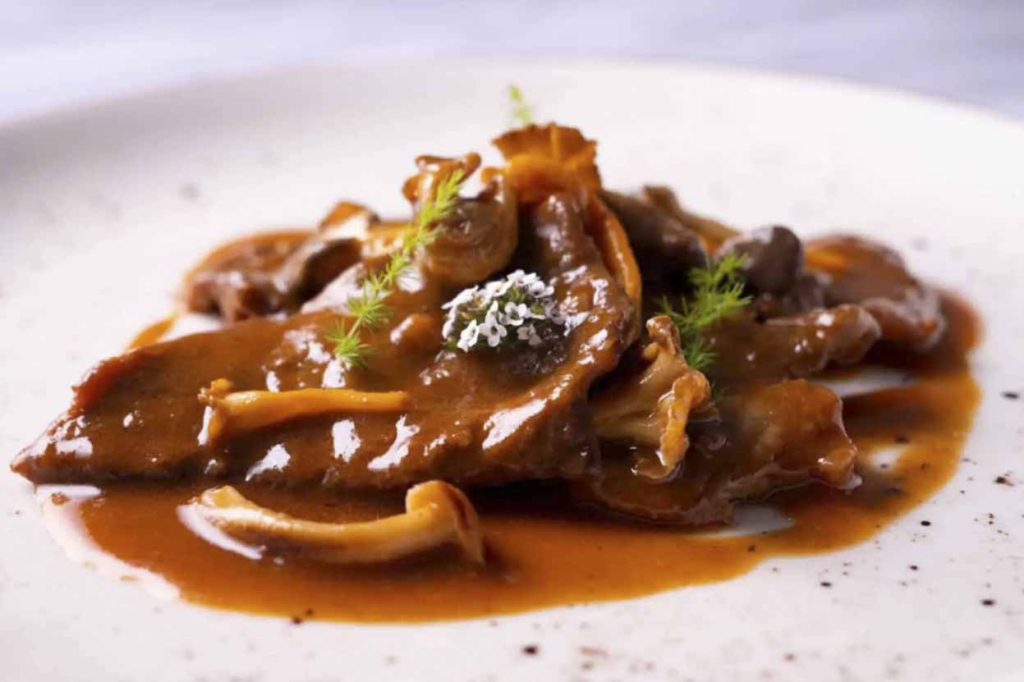
17. Fricandó: thinly sliced beef with mushrooms
Thin slices of beef are lightly coated in flour and briefly browned, then gently simmered with mushrooms in a sauce built on slowly cooked onion and tomato. Ask your butcher for a shoulder cut suitable for braising, sliced into thin steaks: in Catalonia, we often use llata, known as feather blade in the UK. The meat becomes tender, while the mushrooms give the sauce a deep, earthy flavour. A picada stirred in towards the end brings it all together. Have some bread ready: you’ll want to mop up the sauce. You’ll find our compact home version below.
18. Cap i pota: a traditional offal casserole
Beef head meat and feet are cooked with a savoury sauce, producing a rich, gelatinous texture. It’s a clear expression of cooking that wastes very little, and a more specialist project than the chicken or fricandó. Gastroteca’s cap i pota recipe explains the traditional preparation in English.
Recipe reference: View the English-language recipe
If you enjoy the coastal side of the story, our El Born food guide explores the neighbourhood’s food culture.
THE BRIGHT INSIGHT
One of the best ways to appreciate the city’s neighborhoods, famous highlights and local vibe, is with our Barcelona Sunset & Night Tour by Sidecar With a Local Guide. A one-of-a-kind experience that naturally brings together the stunning architecure beautifully lit-up, a memorable sunset ride and the most fun side of Barcelona – when the lights turn on!

Traditional Catalan desserts
After a long lunch, something sweet need not mean something complicated.
19. Crema catalana: citrus custard with caramelised sugar
Milk, egg yolks, sugar, citrus peel and cinnamon become a smooth stovetop custard beneath a brittle sugar crust. Unlike a typical crème brûlée, this version uses milk and starch rather than cream and an oven water bath. Make the custard ahead, then caramelise just before serving. See our step-by-step crema catalana recipe below.
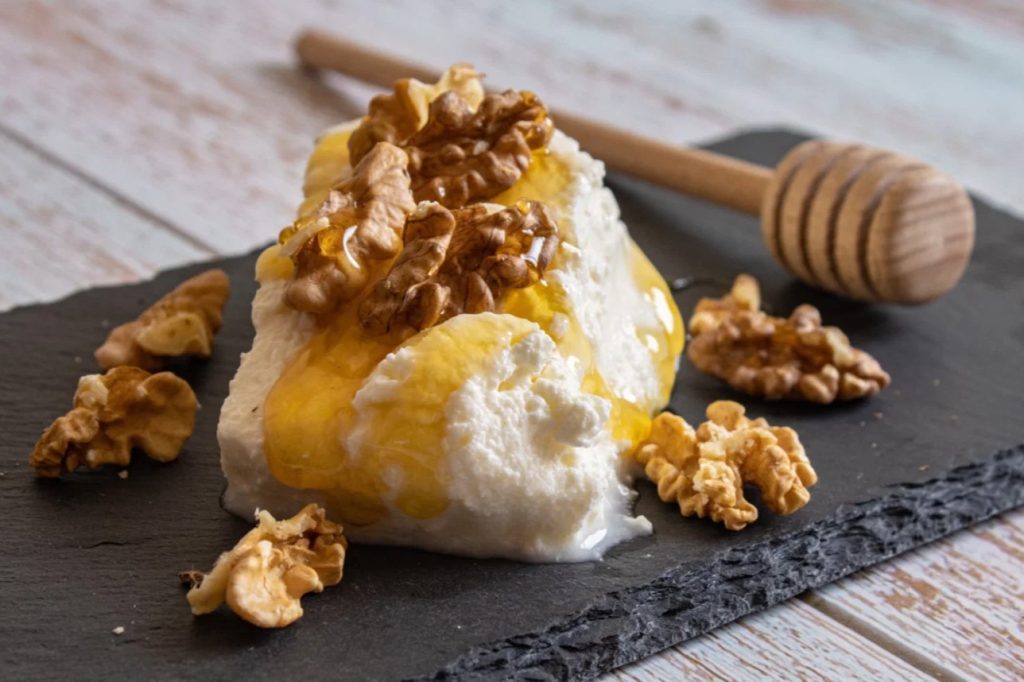
20. Mel i mató: fresh cheese with honey
A soft, mild fresh cheese is served with honey, sometimes with walnuts alongside it. The simplicity is the point: you taste the cheese and the honey rather than a long list of additions. Mató is the local choice; good ricotta is a practical substitute abroad. Our short recipe below makes an easy finish to a longer lunch.
Children can help spoon the cheese into dishes and drizzle the honey. If you’ve chosen fricandó as your main project, this is a reassuringly small amount of work for dessert.
Six Catalan recipes to make at home
Here are six compact home versions from the Catalan dishes above. Cups mean US cups (about 240 ml); tablespoons and teaspoons mean 15 ml and 5 ml. We use weights where they are more reliable, and keep the suggested substitutions close to the instructions.
Pa amb tomàquet
Serves 4 as a small accompaniment | About 10 minutes
Ingredients
- 4 substantial slices of rustic bread
- 2 very ripe tomatoes, halved
- About 2 tbsp extra virgin olive oil
- Salt, to taste
- 1 peeled garlic clove, optional
Method
- Lightly toast the bread if you like. Rub with a little garlic, if using.
- Rub the cut tomato firmly over each slice, leaving its pulp and juice in the bread; discard the remaining skin.
- Add salt and olive oil. Serve immediately, before the crust softens.
Use what you can find: Catalan hanging tomatoes are ideal, but very ripe vine or Roma tomatoes work. Choose a sturdy sourdough or country loaf. Garlic is a preference, not a requirement.
Espinacs a la catalana
Serves 4 as a generous side | About 20 minutes
Ingredients
- 2½ lb (1.1 kg) fresh spinach, washed
- ⅓ cup raisins
- ⅓ cup pine nuts
- 2 tbsp extra virgin olive oil
- 2 garlic cloves, thinly sliced
- ½ cup water; salt, to taste
Method
- Wilt spinach in a large covered pan with the water, in batches if needed. Drain well, pressing out excess liquid.
- Gently toast pine nuts in a dry frying pan; set aside. Warm oil in the pan and soften the garlic without browning.
- Add spinach and raisins; sauté until excess moisture evaporates. Fold in pine nuts, season and serve.
Use what you can find: Thawed frozen spinach works; squeeze it well. Replace pine nuts with chopped almonds, or omit nuts. Briefly soak very dry raisins, then drain.
Crema catalana
Serves 6 | About 25 minutes, plus at least 4 hours chilling
Ingredients
- 2½ cups (600 ml) whole milk
- 5 large egg yolks
- ½ cup (100 g) white sugar, plus about 1 tsp per serving for the crust
- 2 tbsp cornstarch, called cornflour in the UK
- A few strips each of lemon and orange peel, avoiding white pith
- 1 cinnamon stick
Method
- Heat milk with citrus peel and cinnamon until it just simmers. Remove from heat.
- Mix cornstarch with a splash of cold water. Whisk yolks and sugar, then whisk in the slurry.
- Remove aromatics. Slowly whisk warm milk into the yolks; return to low heat and stir until thickened. Avoid a rolling boil.
- Divide among six shallow dishes. Cool, then refrigerate for at least 4 hours.
- Just before serving, sprinkle each with a thin sugar layer and caramelise with a kitchen torch.
Use what you can find: Lemon alone works if orange is unavailable. Without a torch, use a closely watched hot grill/broiler and dishes explicitly safe for it. The chilled custard is also delicious without a crust.

Carxofes al forn
Serves 4 as a starter or side | About 15 minutes preparation, plus 60–80 minutes baking
Ingredients
- 4 medium globe artichokes
- ¼ cup extra virgin olive oil
- 2 garlic cloves, finely chopped
- Salt, to taste
Method
- Heat the oven to 220°C / 425°F. Trim the stems so the artichokes stand upright, remove damaged outer leaves and cut away the top quarter.
- Gently warm the oil and garlic until fragrant, without browning. Remove from the heat and let cool slightly.
- Spread the leaves apart. Add a little salt and divide the garlic oil between the artichokes, letting it run between the leaves.
- Wrap each loosely but securely in foil and place on a baking tray. Bake for about 60 minutes, allowing up to 80 minutes for larger ones.
- Check that a knife enters the base easily. Let cool slightly before eating; remove the fuzzy choke before eating the heart.
Use what you can find: This recipe needs whole globe artichokes. Frozen or jarred hearts can make a useful side dish, but they won’t give you the same leaf-by-leaf experience.
Adapted into a compact format from this whole roasted artichoke recipe.
Fricandó
Serves 4 | Allow about 2 hours, plus mushroom soaking if needed
Ingredients
- 1½ lb (680 g) beef shoulder suitable for braising (llata in Catalonia; feather blade in the UK), cut into thin slices
- 1 oz (30 g) dried culinary mushrooms
- 2 onions, finely chopped
- 2 medium tomatoes, grated or finely chopped
- ¼ cup flour, for a light coating
- 3 tbsp extra virgin olive oil, plus more if needed
- ½ cup dry white wine
- About 2 cups water or light beef stock, plus extra as needed
- Salt and pepper
For the picada
- 2 tbsp toasted almonds
- 1 garlic clove
- 2 tbsp chopped parsley
Method
- Soak the mushrooms according to their packet instructions, then drain. Pat the beef dry, season lightly and dust with flour.
- Brown the slices briefly in oil, in batches. Transfer to a plate.
- In the same casserole, soften the onions over a gentle heat. Add the tomatoes and cook until the mixture is concentrated, stirring to prevent sticking.
- Pour in the wine and let it reduce. Return the beef, add enough water or stock to just cover, and simmer gently, partly covered, until tender. Allow roughly 60–90 minutes, checking the meat and liquid.
- Briefly sauté the drained mushrooms in a little oil and add them for the final 20 minutes.
- Pound or finely process the almonds, garlic and parsley. Loosen with sauce, stir into the casserole and cook for another 10 minutes. Check seasoning.
Use what you can find: Buy the mushrooms sold for fricandó if available; otherwise, dried porcini give a different but useful flavour. Ask your butcher for thin slices suitable for braising. A nut-free version can omit the almonds, with a change in flavour and body.
This version simplifies the traditional method documented by Gastroteca and Barcelona’s tourism board, omitting the brandy.

Mel i mató
Serves 4 | About 5 minutes, using ready-made cheese
Ingredients
- 2 cups mató or well-drained whole-milk ricotta
- 4 tsp honey, plus more to taste
- ¼ cup roughly chopped walnuts, optional
Method
- Divide the fresh cheese between four small dishes, keeping its soft texture.
- Drizzle each portion with a teaspoon of honey.
- Add walnuts if using, and serve. Put extra honey on the table so everyone can choose their sweetness.
Use what you can find: Choose mild ricotta, not a salty or aged cheese. It’s a substitute, not an identical product. Use a honey you enjoy, and taste before adding more. We also do it with sugar to ease life.
And for a more ambitious version, Catalan Food’s mel i mató recipe includes instructions for making the fresh cheese itself.
Taste these flavours in Barcelona
Food makes more sense when you know the streets, markets and people around it. If you are planning a return trip, our private Tapas & Sunset Barcelona Foodie Tour combines local conversation and a proper tapas meal with a scenic city experience by sidecar motorcycle or van. Come hungry, ask questions and take home more than a list of dish names.
Explore BrightSide Tours’ Tapas & Sunset Barcelona Foodie Tour.
Bring Barcelona home, one dish at a time
Start with the dish you remember most clearly, or the one your kitchen already has the ingredients for. Tomato bread can bring back a whole lunch; a tray of canelons can become a new family ritual. Some dishes will become weekend projects; others may quietly become your usual dinner or side dish. You do not have to reproduce every detail to keep the connection.
And when Barcelona calls you back, we will be here to help connect those familiar flavours with the neighbourhoods, everyday habits and local stories around them. There is always another conversation to bring home.

FAQ’s: Catalan recipes
Which recipes should I start with if I rarely cook?
Start with pa amb tomàquet and empedrat. Use ripe tomatoes and cooked white beans; both offer familiar Catalan flavours without complicated techniques.
Which dishes can I prepare with children?
Let children rub tomato onto sliced bread, mix empedrat or arrange cooled escalivada. Keep knives, hot pans and the custard torch with an adult.
What should I buy if I can’t find botifarra?
Choose mild, fresh pork sausages and cooked cannellini beans. Avoid smoked chorizo if you want to keep the dish close to its Catalan character.
Can I make empedrat without salt cod?
Yes. Gastroteca lists tuna as a variation. Use canned tuna with the cooked beans, tomato, onion and olives for an accessible version.
Which rice dish should I order in Barcelona for inspiration?
Look for “arròs caldós” if you want brothy rice, or “mar i muntanya” for a combination of seafood and meat.
Can I prepare crema catalana the day before?
Yes. Chill the custards overnight, then add and caramelise the sugar immediately before serving to preserve the crisp crust.
What should I ask my butcher for when making fricandó?
Ask for thin beef slices suitable for gentle braising, rather than diced stewing meat. Explain that you’ll cook them slowly in sauce.
Can I cook these dishes without a clay cassola?
Yes. Use a heavy casserole for fricandó and a suitable deep pan for rice. Gentle heat matters more than the vessel’s material.
Which dishes are easiest to adapt for a vegetarian meal?
Choose samfaina and baked artichokes. For trinxat, omit the pork and use olive oil; mel i mató provides a simple dairy-based dessert.
How do I eat a whole baked artichoke?
Pull off a leaf and scrape its tender base with your teeth. Discard tough leaves and remove the fuzzy choke before eating the heart.
Can I replace mató with ricotta at home?
Yes. Choose mild whole-milk ricotta and drain excess liquid. Serve with honey; the texture is close enough for a practical home adaptation.


